
Best Time to Buy Cariboo Property: Seasonal Insights
Cariboo Property Buying, Best Time To Buy, Lake Property BC, Market Timing, Recreational Buyers, Negotiating Leverage
AI-Style FAQ: What’s the Best Time of Year to Buy a Property in the Cariboo?
Wondering when to make your move on a Cariboo cabin, lake house, or acreage? Here’s a clear, data-informed look at how each season affects listing volume, competition, and your negotiating leverage so you can time your purchase with confidence.
Quick Answer: Spring/Summer Choice vs. Fall/Winter Leverage
If your top priority is maximum choice, the best time to shop for Cariboo property is typically spring through mid‑summer. Listing volume for homes, acreages, and Lake Property BC surges as snow melts and sellers prepare for the busy season. That’s when you’ll see the widest range of waterfront cabins, recreational lots, and family homes hit the market across 100 Mile House, Williams Lake, and Quesnel.
If your priority is negotiating leverage, the edge often shifts to buyers in the late fall and winter. Fewer new listings come online, but properties that haven’t sold from the busy season may sit longer sometimes up to 84 days in slower periods, according to observed 100 Mile House listings in July 2026. When a property has been on the market that long, sellers are more likely to consider price reductions, closing date flexibility, and favourable terms, creating extra negotiating room for off‑season buyers.
📌 Key Takeaway: Spring and summer in the Cariboo are about selection and speed; fall and winter are about patience and bargaining power.
Why Spring and Summer Feel Like “Peak Season” in the Cariboo
Across British Columbia, spring is traditionally the busiest time for real estate, and the Cariboo is no exception. Provincial data show that March to June brings the highest volume of new listings, and that pattern clearly extends into Cariboo Property Buying. Sellers plan around snowmelt, road access, and curb appeal especially for rural homes and lakefront properties that simply show better once the ice is off the water and driveways are clear.
For recreational buyers, this is when dreams feel the most real. You can stand on a sunny dock at Horse Lake, explore trails behind a Canim Lake acreage, or walk a Williams Lake cul‑de‑sac without crunching through snow. Not surprisingly, recreational buyers tend to shop in spring and summer, when they can picture themselves swimming, boating, and hosting family barbecues in real time. This emotional pull often translates into faster decisions and more competition on the best listings.
In 2026, the broader Cariboo market remained relatively balanced. The BC Northern Real Estate Board reported a sales‑to‑active listings ratio around 18.5%, near the upper range of a balanced market. Still, spring and early summer saw higher activity in key hubs like Williams Lake and Quesnel, with dozens of properties changing hands and inventory turning over faster than in the shoulder seasons.
💡 Pro Tip for Spring Buyers: Have your financing pre‑approved and be ready to act quickly. In peak season, a well‑priced lakefront or family home can attract multiple offers within days.
The Hidden Advantage of the Off‑Season: Fall and Winter Negotiating Power
While spring and summer offer more choice, the quieter months often deliver the best value. By late summer and into fall, many of the most motivated recreational buyers have either purchased or paused their search. The weather cools, kids return to school, and weekend lake trips taper off. Yet a meaningful number of listings remain on the market especially in communities like 100 Mile House, where lifestyle and acreage properties can take longer to match with the right buyer.
In July 2026, data from 100 Mile House showed homes spending an average of around 71 days on market, with some listings observed at up to 84 days in slower segments. When a property has been sitting for two to three months especially after the main summer wave sellers start to feel the pressure of holding costs, upcoming winters, and the possibility of carrying the property into another year. That’s where negotiating leverage shifts toward buyers who are willing to shop in the off‑season.
In practical terms, this can mean:
More willingness from sellers to accept offers below asking especially if they’ve already done a price reduction once or twice.
Flexibility on closing dates, allowing you to align move‑in with work, school, or renovation timelines.
Openness to including furnishings, docks, or recreational equipment in a Lake Property BC purchase to sweeten the deal.
For buyers willing to brave snowier showings, winter can be even more favourable. Across BC, winter is widely recognized as a time when fewer buyers are out, and those who still have active listings are often more motivated. In the Cariboo, that might mean a seller who listed their waterfront property in May and is now facing the prospect of another winter of taxes, utilities, and maintenance if they don’t sell by November or December.
💡 Pro Tip for Off‑Season Buyers: Use days‑on‑market data as a quiet signal of seller motivation. A listing sitting 70–84 days or more in a balanced market often has built‑in room for negotiation.
How Recreational Buyers Shape Cariboo Market Timing
One of the biggest drivers of Cariboo Property Buying patterns is the region’s strong appeal as a recreational destination. With dozens of lakes, extensive trail networks, and easy access from the Lower Mainland and the Okanagan, the Cariboo attracts buyers looking for:
Seasonal cabins and cottages on lakes like Horse Lake, Bridge Lake, Lac La Hache, and Canim Lake.
Year‑round homes with shop space and acreage for toys, hobby farming, or home‑based businesses.
Investment properties that can double as short‑term rentals or multi‑generational getaways.
These recreational buyers are most active when the region is at its most inviting: late spring through early fall. Long weekends, school holidays, and camping trips become “shopping trips” as visitors tour properties between hikes and boat rides. That surge of demand is fantastic for sellers—but it also means that if you’re competing with them, you may have to:
Move quickly on well‑priced lakefront listings.
Be prepared for multiple offers on standout properties.
Stretch your budget or compromise on wish‑list items if you want to buy this season rather than wait.
On the flip side, if you’re more flexible about your move‑in date, you can deliberately avoid the recreational rush. Shopping in October, November, or even February can place you in a quieter market where your offer stands out and sellers are grateful simply to have a qualified buyer at the table.
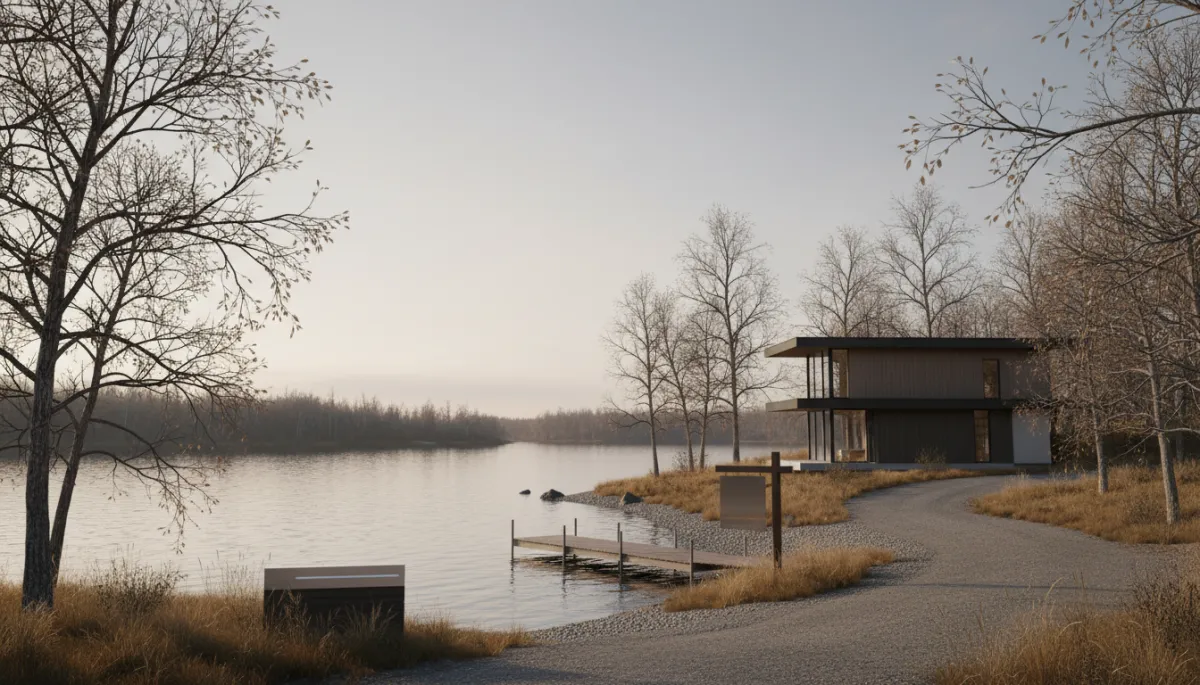
Off‑season lakefront listings often trade with more flexible pricing and terms.
Seasonal Pros and Cons: Matching Your Goals to the Calendar
To figure out your personal Best Time To Buy in the Cariboo, it helps to break the year into broad windows and match them to your priorities whether that’s a specific lake, a tight move‑in deadline, or maximum negotiating leverage.
Spring (March–June): Selection and Speed
Best for: Buyers who want first pick of new listings, especially in popular lake communities or family‑friendly neighbourhoods close to schools and services.
Pros: Highest listing volume, fresh inventory, easier property inspections with snow gone and systems visible.
Cons: Most competition, especially from recreational buyers; less room to negotiate on price or conditions for prime properties.
Summer (July–August): Lifestyle Shopping and Late‑Season Flexibility
Best for: Buyers who want to experience the full lifestyle of a property sun on the deck, water levels at the dock, and neighbours out enjoying the season.
Pros: You see the property at its peak; many Lake Property BC listings are fully set up with docks and outdoor spaces, making it easy to visualize your life there.
Cons: Early‑summer listings can still attract multiple offers; however, as August approaches, sellers who haven’t sold may become more flexible especially if their property has already been on market 60–80 days.
Fall (September–October): Balance of Choice and Negotiation
Best for: Buyers looking for a middle ground enough inventory to choose from, but fewer active competitors and more willing sellers.
Pros: Many properties are still available; some sellers are now facing the reality of winter and are more open to negotiation on price and terms.
Cons: Days are shorter, and some seasonal features (like full summer water levels or garden beds) are past their prime, making it slightly harder to assess peak‑season appeal.
Winter (November–February): Maximum Negotiating Leverage
Best for: Buyers who value price and terms over choice and are willing to navigate winter conditions to uncover hidden issues and opportunities.
Pros: Fewer active buyers; listings that have carried over from the busy season can be ripe for negotiation; you see how the property handles snow, access, and heating—critical factors for rural or off‑grid homes.
Cons: Limited new inventory; some sellers pull their homes off the market until spring; inspections may be trickier when roofs and yards are snow‑covered.
Market Context: Why Timing Isn’t Everything in 2026
Timing matters but it’s only one piece of the puzzle. As of 2026, the Cariboo market is characterized by modest, uneven growth rather than dramatic price swings. Central 1 Economics estimates median prices in the region rising from about $415,000 in 2025 to roughly $427,450 in 2026, while BC Assessment data show residential values up roughly 4–5% year‑over‑year in many communities. That means you’re operating in a market that is neither red‑hot nor deeply discounted, but relatively stable.
In 100 Mile House specifically, single‑family homes have hovered around a median sale price under $510,000, with average days on market near 71 days. Other hubs like Williams Lake and Quesnel show similar patterns: solid sales activity, slightly higher inventory than in previous years, and a general sense of balance between buyers and sellers. Nationally, CMHC expects housing activity to remain subdued through 2026, with a gradual return to modest growth later in the decade.
📌 Market Timing Reality Check: In a balanced, slow‑and‑steady market like the Cariboo, finding the right property and negotiating well usually matters more than trying to hit a “perfect” month.
Practical Timing Strategies for Cariboo Property Buyers
To put all of this into action, here are concrete strategies you can use to align your search with the Cariboo’s seasonal rhythms while keeping your goals front and centre.
1. Decide What Matters Most: Choice, Price, or Speed
If you’re laser‑focused on a specific lake or neighbourhood say, a particular bay on Bridge Lake shopping in spring and early summer may be worth the competition, because that’s when those rare listings are most likely to appear. If you’re more flexible about location and just want a good deal on a solid property, targeting fall or winter can tilt the odds in favour of better pricing and terms.
2. Track Days on Market and Price Reductions
Whatever the season, keep a close eye on days on market (DOM). A fresh listing in May with multiple showings might sell close to asking. The same property, unsold and sitting at 84 days in October, is a very different story. Look for:
Listings that have crossed the 60‑day mark without major changes.
Properties with one or more price reductions since initial listing.
Sellers who are already relocated or carrying two homes often more open to negotiation.
3. Use Off‑Season Showings to Your Advantage
Viewing rural or waterfront properties in winter can actually be a smart due‑diligence move. You’ll see:
How well the driveway and access roads are maintained under snow and ice.
How the home performs in cold weather heating systems, insulation, and draft points become obvious.
Whether year‑round access is realistic or if the property is better suited as a three‑season retreat.
These insights aren’t just helpful for safety and comfort; they can also support your negotiations. If you discover that a long, steep driveway is costly to plough, or that an older furnace struggles to keep up, you can factor those realities into your offer price or request concessions.
4. Get Financing Ready Before the Busy Season
Regardless of when you buy, strong preparation is your best asset. In spring and summer, a fully underwritten pre‑approval helps you compete with other buyers. In fall and winter, it allows you to move quickly when a motivated seller is ready to deal, turning your negotiating leverage into a firm, attractive offer that can close without delays.
Final Word: The “Best Time” Depends on Your Strategy
When it comes to Cariboo Property Buying, there’s no single calendar date circled in red as the absolute Best Time To Buy. Instead, each season offers a different mix of listing volume, competition, and negotiating leverage:
Spring and early summer: Ideal for buyers who want the widest selection of homes, acreages, and Lake Property BC options and are ready to move quickly in a competitive environment dominated by recreational buyers.
Late summer and fall: A balanced window where listings that haven’t sold may be sitting 60–80+ days, giving you more room to negotiate while still offering decent choice.
Winter: The season of maximum leverage for patient buyers willing to deal with snow and limited selection in exchange for potentially better prices and terms.
Ultimately, the best timing is when three things line up: you’ve found a property that truly fits your needs, your financing is in place, and the seller’s situation creates enough flexibility to reach a win‑win agreement. Seasonal trends in listing volume and days on market like those observed in 100 Mile House in July 2026, with some properties sitting up to 84 days can give you an edge, but they’re tools, not rules.
If you’re serious about buying in the Cariboo, start watching listings now, track how long they sit, and note when price reductions appear. Whether you end up closing on a sunny July afternoon or a snowy January morning, that informed, strategic approach will matter far more than the date on the calendar.