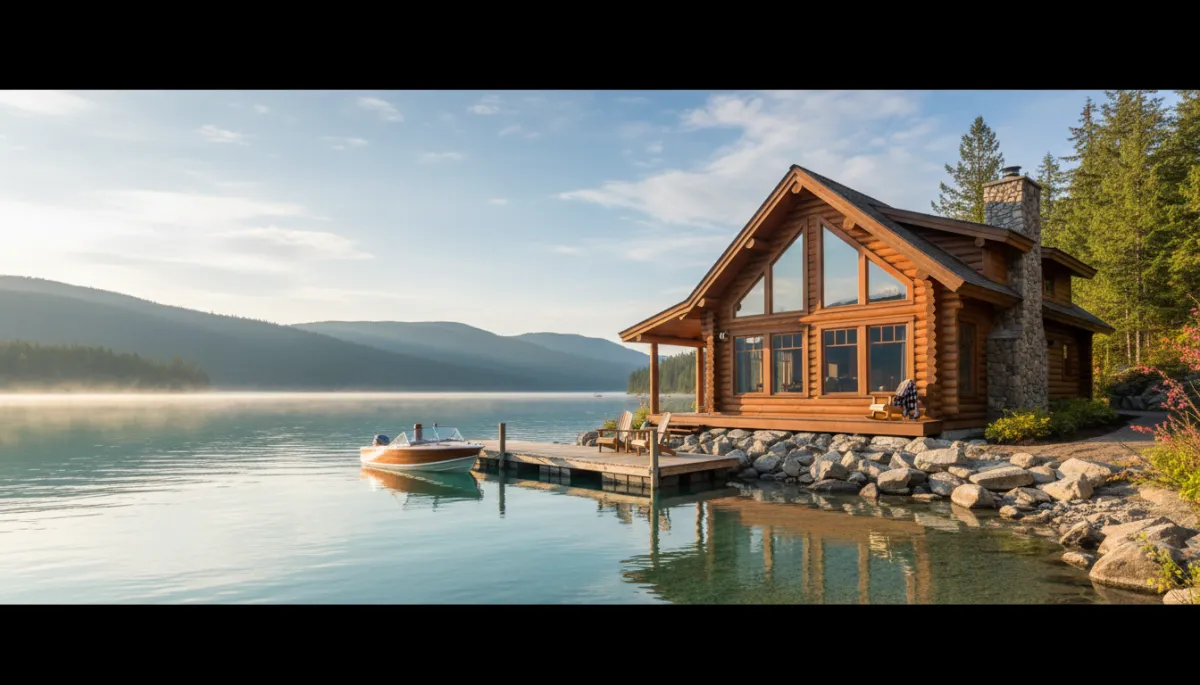
Buy a Lakefront Cabin in BC: Step-by-Step Guide
Real Estate, Lakefront Cabins, British Columbia
How to Buy a Lakefront Cabin in BC: A Step-by-Step Guide
To buy a lakefront cabin in BC, clarify your budget, partner with a lakefront specialist like Amanda Oldfield, then methodically work through zoning checks, inspections, financing, and offer negotiation. With the right guidance, you can move from dreaming about a cabin to unlocking the door to your own shoreline retreat.
How should you define a realistic budget for a BC lakefront cabin?
Your budget is more than just the listing price. Start by talking with a mortgage professional about what you can comfortably afford, then layer in closing costs, insurance, utilities, and ongoing maintenance. Waterfront cabins often need extra funds for shoreline work, dock upkeep, and winterization in BC’s four-season climate.
Province‑wide, the British Columbia Real Estate Association projects the average home price around $939,800 in 2026, a 1.4% dip from 2025, reflecting a slightly softer market overall (BCREA Housing Forecast, 2026). Lakefront cabins are a premium niche within that average, so expect to pay a meaningful waterfront premium for direct access and views.
To pressure‑test your budget, compare ownership costs with what you might otherwise spend renting a cabin. In 2026, short‑term lakefront rentals in BC commonly range from $200–$400 per night or $1,500–$3,000+ per week, depending on season and location (CottagesInCanada, 2026). If you plan to visit often, ownership can start to make long‑term financial sense.
💡 Pro Tip: Build a 10–15% buffer into your budget for upgrades, unexpected repairs, and shoreline projects that may emerge after your first full year of ownership.
Why does working with a lakefront-specialist real estate agent matter?
Buying on the water is very different from buying in town. A lakefront‑specialist agent understands docks, shoreline regulations, septic systems, and seasonal access issues. They also know which lakes freeze early, which shorelines get afternoon wind, and how water levels shift from spring run‑off to late summer low water.
Amanda Oldfield has helped buyers successfully close on lakefront cabins across Bridge Lake and the Interlakes region, guiding clients through everything from first showings to final walk‑throughs. In a market where waterfront remains a “blue‑chip asset class” due to scarcity and enduring demand (BuyWaterfrontBC, 2026), this kind of local, niche expertise is a real advantage at the negotiating table.
Provincial data shows ultra‑prime waterfront properties continue to top BC’s assessment rolls despite broader market softness (BuyWaterfrontBC, 2026). While your Bridge Lake or Interlakes cabin will be far more modest than a Point Grey estate, the same principle applies: waterfront behaves differently, and you want someone who understands that dynamic working solely in your corner as a buyer.
Where should you search for lakefront cabin listings in BC?
Once you’ve dialed in your budget and chosen an agent, it’s time to explore listings. Your agent can set up automatic alerts from the MLS® so you see new lakefront cabins the moment they hit the market. Because inventory is limited, especially on desirable lakes, being early and prepared often matters more than endlessly browsing on your own.
Broader recreational markets can offer helpful context. For example, a national brokerage report found average recreational property prices around $724,000 in Penticton/Summerland/Osoyoos and $1.36 million in Whistler in early 2026, underscoring how lake and resort areas typically command a premium (RE/MAX 2026 Recreational Report). Your chosen lake, cabin size, and level of finish will all influence where your search lands within that wider spectrum.
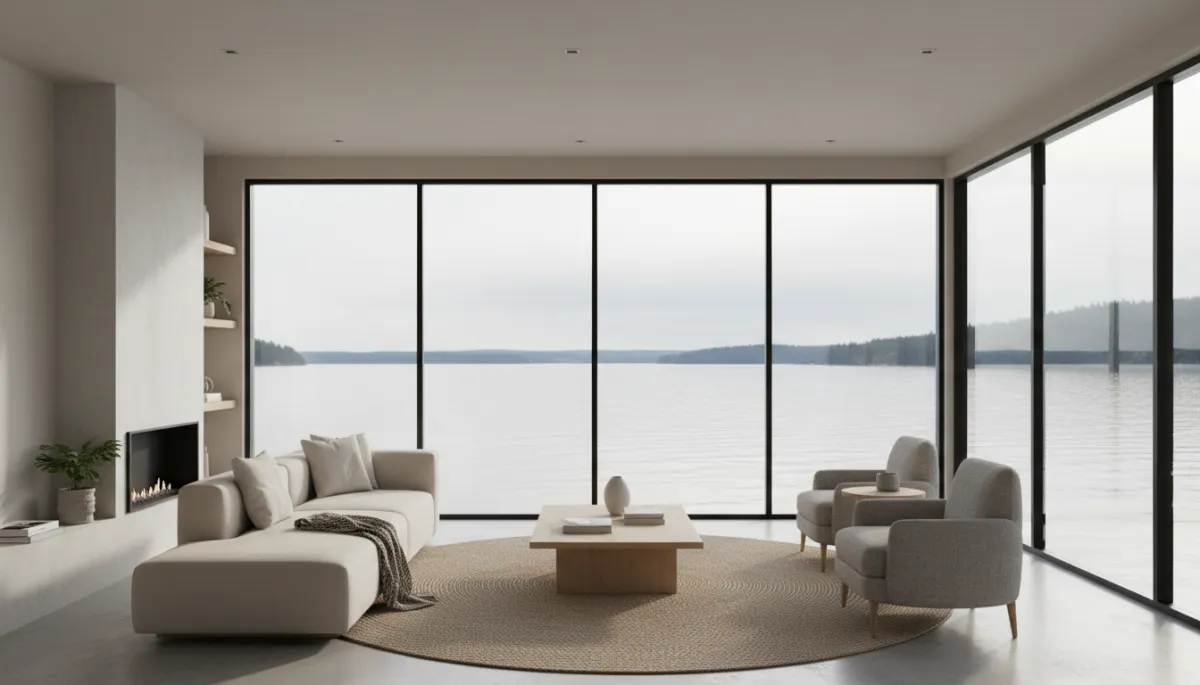
Touring a range of cabins helps clarify which lakes and layouts truly fit your lifestyle.
In the Bridge Lake and Interlakes area, Amanda often encourages buyers to walk the shoreline, not just the cabin. Sun exposure, privacy from neighbouring docks, and the feel of the water underfoot can be just as important as square footage. Many buyers refine their criteria dramatically after a few on‑site visits to different lakes and orientations.
What should you know about waterfront zoning and riparian rules in BC?
Waterfront properties in BC are shaped by a mix of provincial regulations and local bylaws. The Riparian Areas Protection Regulation requires local governments to build habitat protection into their zoning and development rules along streams, lakes, and wetlands (BC Laws, 2019/updated 2026). This can affect where you place additions, decks, or accessory buildings on a lakefront lot.
Many regional districts also use Development Permit Areas for shorelines, setting specific conditions for setbacks, vegetation retention, and erosion control (Local Government Act, BC Laws). If you’re dreaming about adding a bigger deck, boathouse, or guest bunkie, you’ll want to understand these constraints before you buy rather than discovering them mid‑renovation when plans are already drawn and deposits paid.
Docks and moorage come with their own rules. The Province’s private moorage program under the Land Act sets standards for docks on Crown foreshore, including size limits and restrictions on dredging or solid‑core structures (Government of BC, Private Moorage, 2026). Local bylaws can further limit the number of docks or dictate design, so it’s crucial to check both provincial and regional requirements with your agent’s help.
📌 Key Takeaway: Never assume you can expand, rebuild, or add a dock “later.” Have your agent and, if needed, a planner or lawyer review applicable zoning and riparian rules before you remove subjects.
How do you arrange inspections for a lakefront cabin purchase?
Inspections are your safety net, and they’re especially important on the water. In addition to a standard home inspection, many lakefront buyers arrange separate reviews of the septic system, water source (well or lake intake), and any retaining walls or shoreline structures. Older cabins may also warrant an electrical inspection or WETT inspection for wood‑burning appliances.
Across BC, property assessments in many regions have fluctuated between –5% and +15% depending on location (BC Assessment, 2026). In a shifting market, thorough inspections help ensure you’re paying today’s price for a cabin that’s structurally and mechanically sound, not inheriting a backlog of deferred maintenance that erodes your investment and enjoyment over time.
Amanda regularly coordinates inspection timelines for out‑of‑town buyers, helping line up trusted local professionals within tight subject‑removal windows. She’ll also walk you through the reports, highlighting which findings are typical for older cabins and which might justify a price adjustment, repair credit, or, in some cases, a decision to walk away and wait for a better fit.
What are your main financing options for a BC lakefront cabin?
Financing a recreational cabin can look different from financing your primary home. Some lenders treat lakefront cabins as second homes with stricter down‑payment requirements, while others may consider them investment properties, especially if you plan to rent the cabin short‑term. Speaking with a mortgage broker early will clarify which category your dream cabin falls into.
With BCREA forecasting MLS® sales around 68,700 units in 2026, down 2.1% from 2025 (BCREA, 2026), lenders are operating in a more balanced, less frantic environment than the peak years. That can translate into more time to shop rates and products. However, interest rates and qualification rules still matter, so pre‑approval remains an essential first step before you start writing offers.
Amanda often collaborates with buyers’ mortgage professionals to ensure financing conditions are realistic for local timelines and property types. For example, access issues, seasonal roads, or unique cabin construction can affect lender comfort. Sharing full property details early helps your financing team flag any concerns before you’re deep into the subject period.
How do you make a strong offer on a lakefront cabin in a shifting market?
Offer strategy depends on the specific lake, property, and current competition. In some waterfront micro‑markets, listings sit longer and buyers have room to negotiate. In others, especially on particularly coveted lakes or shorelines, well‑priced cabins can still attract multiple interested parties. Your agent’s local data and recent sales knowledge are critical here.
For context, in 2026 parts of the Fraser Valley were seeing active listings about 50% above the 10‑year seasonal average, with a sales‑to‑active listings ratio around 11%, signalling a buyer’s market (Rob V., BC Housing Market, 2026). While that’s not specific to lakefront, it illustrates how broader conditions can give you more leverage if you pair them with hyper‑local waterfront insight from someone like Amanda.
A strong offer balances price with clean, reasonable terms: realistic subject lengths, clear deposit timing, and thoughtful requests around inclusions like docks, lifts, or furnishings. Amanda’s experience across Bridge Lake and the Interlakes helps her craft offers that sellers take seriously while still protecting your interests with appropriate conditions and due‑diligence periods.
What happens between an accepted offer and closing day on your cabin?
Once your offer is accepted, the clock starts on subject removal. During this time, you complete inspections, finalize financing, and review title, zoning, and any applicable permits or easements. If everything checks out, you sign a subject‑removal addendum and your purchase becomes firm. From there, your lawyer or notary prepares closing documents and coordinates with your lender.
Provincial assessment data shows many regions trending between –5% and +5% year‑over‑year (BC Assessment, 2026), a reminder that markets move even between offer and closing. Having a clear closing plan—locked‑in financing, insurance arranged, utilities set up helps you stay focused on logistics instead of last‑minute surprises as the market conversation continues in the background.
Amanda stays closely involved right up to key hand‑off, helping coordinate final walk‑throughs and ensuring agreed‑upon repairs or inclusions are in place. For out‑of‑area buyers, she can also recommend local service providers like cleaners, contractors, and property managers so your first weekend at the cabin feels like a celebration, not a scramble.
How does Amanda Oldfield’s local waterfront experience support your purchase?
Lakefront real estate is hyper‑local. Amanda’s track record helping buyers close on cabins across Bridge Lake and the wider Interlakes region means she brings more than MLS® data to the table. She knows which bays stay quieter on long weekends, where the best swimming shelves are, and how ice and wind typically affect different shorelines over the winter months.
In a province where ultra‑prime waterfront still sets the ceiling for property values (BuyWaterfrontBC, 2026), having an advisor who lives and works in a specific lake system is invaluable. Amanda can help you interpret assessment trends, understand why two cabins on the same lake are priced differently, and recognize when a listing is genuinely well‑positioned versus simply riding the “waterfront” label.
💬 Thinking about a cabin? A brief discovery call with Amanda can help you clarify your budget, shortlist lakes that match your lifestyle, and map out a realistic timeline from first viewing to keys in hand.
Ready to start your BC lakefront cabin journey?
Buying a lakefront cabin in British Columbia is a multi‑step process, but it doesn’t have to feel overwhelming. When you define a clear budget, partner with a lakefront‑specialist agent, respect zoning and riparian rules, and complete thorough inspections and financing, you dramatically reduce surprises and increase your long‑term enjoyment of the property.
If Bridge Lake or the Interlakes region is on your radar, Amanda Oldfield’s waterfront experience can give you a confident head start. Book a no‑pressure discovery call to talk through your goals, timing, and budget, and begin turning your BC lakefront cabin dream into a practical, step‑by‑step plan.
Frequently Asked Questions about Buying a Lakefront Cabin in BC
How much does a lakefront cabin in BC typically cost?
Prices vary widely by lake, cabin size, and finish. Provincial averages hover around $939,800 for all homes in 2026 (BCREA), but recreational and waterfront properties often sit above that, especially in popular regions. Amanda can provide up‑to‑date sales data for Bridge Lake and the Interlakes so you understand realistic price ranges before you start touring.
Can I rent out my lakefront cabin when I’m not using it?
Many owners do, but it depends on zoning, regional bylaws, and any strata or covenant restrictions. Short‑term lakefront rentals in BC often command $200–$400 per night (CottagesInCanada, 2026). Before counting on rental income, Amanda can help you review local rules and connect you with professionals familiar with short‑term rental regulations and insurance requirements.
What extra due diligence is needed for waterfront compared with a regular home?
Waterfront due diligence typically includes verifying riparian setbacks, dock permissions, and foreshore rights, along with detailed checks on septic, water supply, and shoreline stability. You’ll also want clarity on seasonal access and winter conditions. Amanda routinely helps buyers coordinate specialized inspections and review relevant regulations so you understand exactly what you’re purchasing.