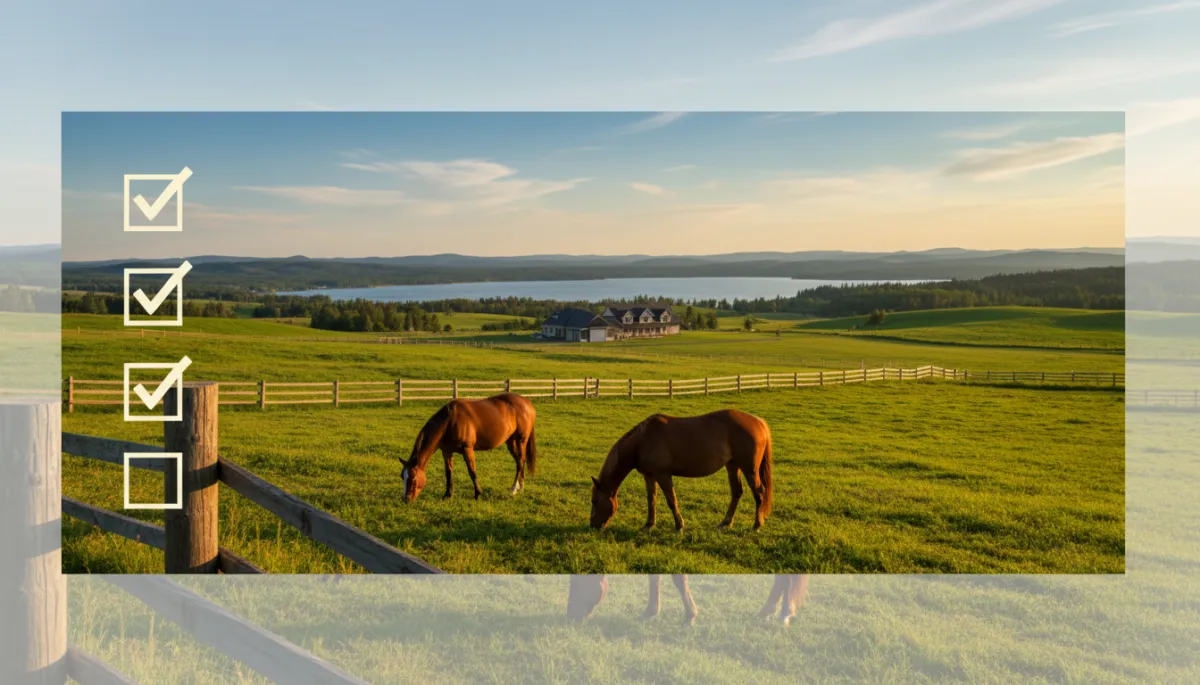
Guide to Buying Horse-Friendly Properties
Real Estate, Horse-Friendly Properties
Horse-Friendly Properties: What to Look for When Buying for Your Horses
Use this practical checklist to evaluate horse-friendly properties, understand recommended acreage per horse, and explore sought-after equestrian areas like Horse Lake and Lone Butte that Amanda often highlights to her buyers.
Quick Answer: How Much Land Per Horse?
While local bylaws and pasture quality always matter, a widely recommended guideline is at least 1.5–2 acres of usable pasture per horse. In drier climates or heavily used properties, aiming for closer to 2 acres per horse helps maintain grass cover, reduce mud, and support your horses’ physical and mental well-being. Smaller acreages can work with dry lots and hay-based management, but you’ll trade land for higher feed and footing costs.
Horse Property Checklist: Land, Layout & Location
Acreage & Usable Space
Target 1.5–2 acres of usable land per horse, excluding steep hills, wetlands, or dense forest.
Look for a mix of pasture, dry lot, and sacrifice areas to manage grazing and mud.
Check local zoning for horse-per-acre limits and any manure or setback regulations.
Pasture Quality & Drainage
Walk the fields for standing water, heavy clay, or deep mud around gates and high-traffic areas.
Look for established grass cover rather than weeds or bare soil that will require major reseeding.
Note the sun and wind exposure natural shade and gentle breezes keep horses comfortable in summer.
Fencing & Safety
Prioritize safe, visible fencing such as wood, coated wire, or quality electric tape over barbed wire.
Inspect for broken boards, loose wires, protruding nails, and unsafe gates that swing into traffic areas.
Ensure there is a secure perimeter fence to prevent escapes onto roads or neighbouring properties.
Barns, Shelters & Storage
Confirm safe, well-ventilated stalls with appropriate ceiling height and secure doors if a barn is included.
Look for run-in shelters in each turnout area so horses can escape wind, rain, and sun.
Assess space for hay, bedding, and equipment storage that is dry, rodent-controlled, and easily accessible.
Water, Manure & Everyday Practicalities
Verify a reliable water source (well, community water, or natural source) and easy winter access to troughs.
Identify a manure storage and removal plan that won’t impact neighbours or watercourses.
Check driveway width and turning space for horse trailers, hay trucks, and farrier or vet vehicles.
Riding Opportunities On and Off the Property
Note any existing arena (size, footing, drainage) or space to build one in future.
Ask about nearby trails, quiet roads, and public land access for hacking out.
Consider proximity to boarding barns, coaches, and competition venues that match your discipline.
Amanda’s Highlighted Areas: Horse Lake & Lone Butte
When Amanda guides buyers searching for horse-friendly properties, she often highlights Horse Lake and Lone Butte as standout options. Both areas offer a blend of usable land, rural lifestyle, and access to riding that appeals to serious horse owners as well as families with a couple of pleasure horses.
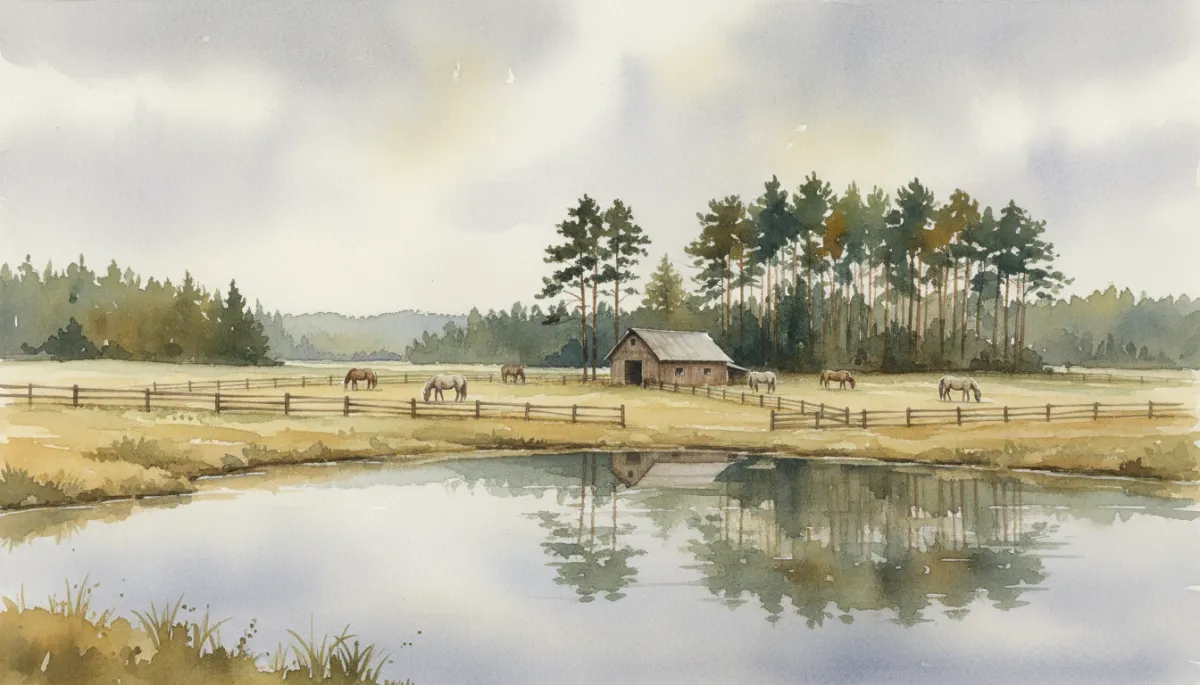
Many buyers choose Horse Lake and Lone Butte for open space and relaxed, horse-focused living.
Horse Lake: Lakeside Living with Room to Ride
Around Horse Lake, many acreages combine usable pasture with the bonus of lakeside views and access. Buyers appreciate the mix of open fields, treed shelter, and the relaxed pace of a lakeside community, all while keeping their horses at home. It’s a strong fit if you want that “cottage at the lake” feel without sacrificing turnout or trail access.
Lone Butte: Rural Acreages and Equestrian Lifestyle
Lone Butte is another area Amanda frequently recommends for horse-friendly properties. Here you’ll find larger rural parcels, a strong sense of community, and plenty of room for barns, arenas, and multiple turnout areas. The rolling terrain and network of backroads and trails make it attractive for riders who value long, quiet hacks and a truly country lifestyle.
Putting It All Together
A horse-friendly property balances adequate acreage per horse, thoughtful layout, and a location that supports your day-to-day routine. Use this checklist as you tour properties, and pay special attention to equestrian-focused areas like Horse Lake and Lone Butte that Amanda highlights for their practical advantages and welcoming horse communities. With the right guidance, you can find a home that truly works for both you and your horses.
Amanda Oldfield Realtor - eXp Realty
96 Hwy 97, 100 Mile House, BC
250-318-5202