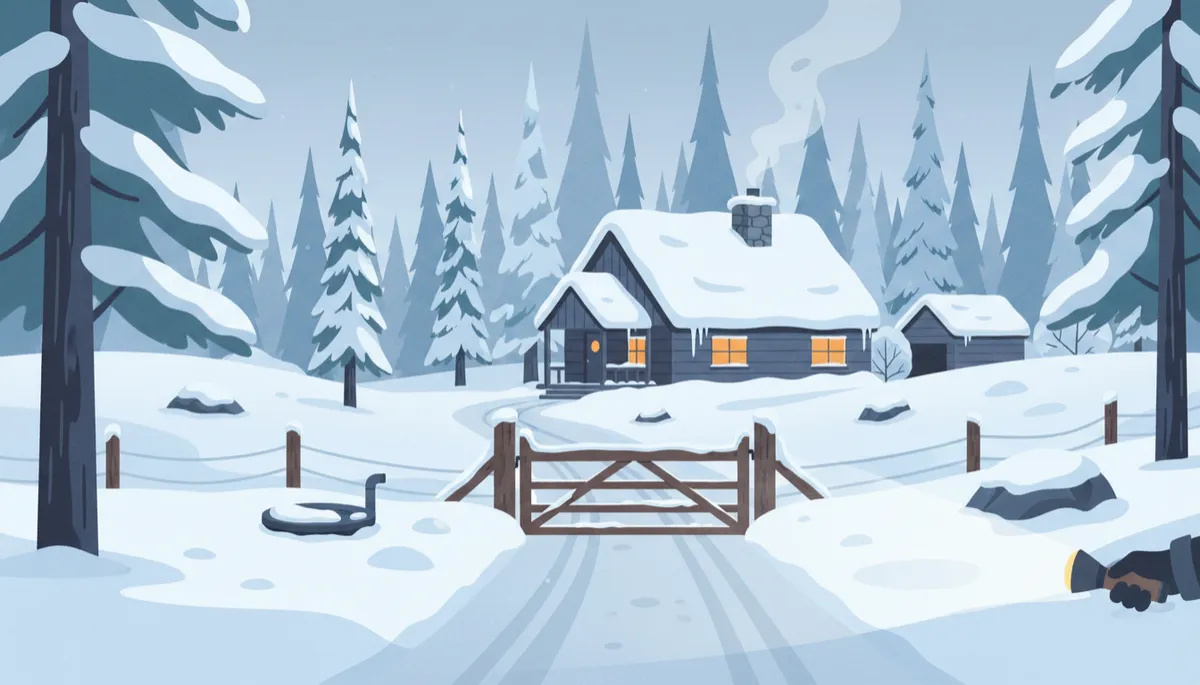
Buying Rural Property in BC Winter: A Smart Move
Real Estate, Rural Property, British Columbia
Buying Rural Property in a BC Winter: Why the “Worst” Time Can Be the Best
Winter house‑hunting in rural British Columbia can feel intimidating snow, ice, and short days don’t exactly scream “dream property tour.” Yet for savvy buyers, the cold season is a powerful ally. When you know what to look for, winter reveals crucial truths about a property that summer sunshine can easily hide.
The Advantages of Buying Rural in Winter
Shopping in the off‑season can work strongly in your favour. Many buyers avoid winter, which means less competition, more negotiating room, and sellers who may be more motivated. You also get to test the property in its hardest season arguably the best way to evaluate a rural home in BC’s varied climates, from wet coastal valleys to snowy Interior plateaus.
Real Road Access: Can You Actually Get Home in February?
Winter is the ultimate test of road access. In July, almost any gravel lane feels fine. In January, you see the truth:
Is the road plowed regularly, and by whom municipality, a strata, or the owner?
Are there steep, icy hills or tight corners that a 2WD vehicle cannot manage?
Do you see evidence of good sanding, drainage, and snow storage areas?
💡 Pro Tip: When booking a winter showing, ask your agent to schedule it after a fresh snowfall or a cold snap. You’ll get a realistic view of how challenging the access really is.
Heating Costs: Reading the Clues in a Cold House
One major advantage of winter buying is seeing how well the home actually holds heat. In person, you can feel drafts, cold floors, and uneven temperatures between rooms. Ask the seller for:
Recent utility bills (electricity, gas, propane) for at least the last 12 months.
Average firewood use per winter if there’s a wood stove or boiler.
Details on insulation, windows, and heating systems (age, service history).
This is where you flip the winter‑buying worry: instead of fearing high heating costs, you use winter to see them clearly and budget realistically or negotiate accordingly.
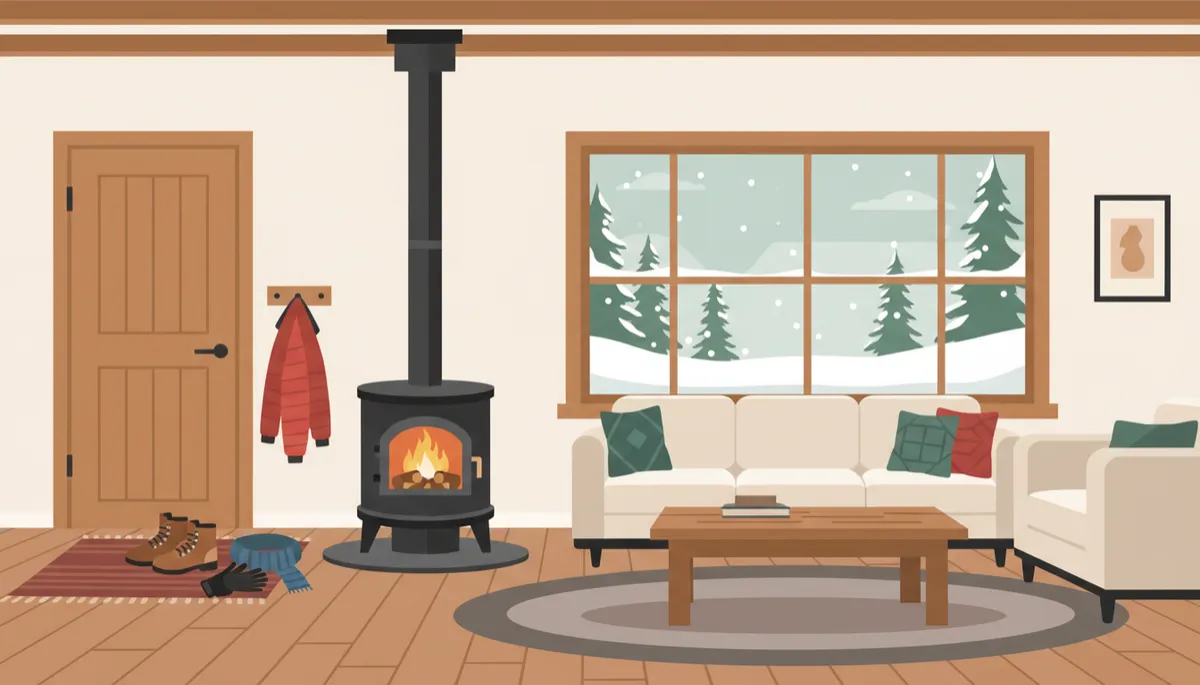
Winter visits reveal real heating performance, comfort levels, and potential energy costs.
What the Snow Hides: Roofs, Septic, and Land Features
Snow can conceal problems, so you need to be intentional about what you can’t see. Key areas include:
Roofs: Deep snow can hide shingle condition, flashing, and gutters. Look for ice dams, uneven melt patterns, and interior signs of leaks in ceilings or attic spaces.
Septic systems: Tank lids and fields may be buried. Ask for permits, installation dates, pump‑out records, and any repair invoices. Note where snow melts faster it can hint at the septic field location and possible issues.
Land features: Ditches, rock outcrops, low spots, and seasonal creeks are often invisible under snow. This affects future building plans, gardening, fencing, and drainage.
Wells, Water, and Winter Reality Checks
Rural BC properties often rely on wells, cisterns, or community water systems. In winter, you can confirm:
Whether lines are properly insulated and protected from freezing.
If there’s a working heat tape or pump house heater.
The location and condition of wellheads, pressure tanks, and treatment systems.
Request well logs, water test results, and any service records. Combine this with septic documentation to get a full picture of the property’s essential systems in the toughest season.
Inspection Tips and Smart Holdbacks for Winter Purchases
A winter inspection in rural BC should be done by someone familiar with cold‑climate and off‑grid or semi‑rural systems. Ask your inspector to focus on:
Attic insulation, ventilation, and signs of condensation or ice damming.
Foundation cracks, frost heave, and grading around the house.
Performance and safety of all heating systems, including chimneys and flues.
Because some elements (like the full roof surface or septic field) may be impossible to assess, talk to your agent and lawyer about using holdbacks. A holdback is money retained in trust after closing, to be released once:
A spring roof inspection is completed, or
A septic inspection and any agreed‑upon repairs are verified.
📌 Key Takeaway: Holdbacks help manage the risk of what snow hides, while still allowing you to secure the property at a good winter price.
Questions to Ask Sellers During a Winter Showing
When you’re on site, come prepared with targeted questions:
How do you access the property in heavy snow, and who maintains the road and driveway?
What are your average monthly heating costs in December–February?
Have you had any issues with frozen pipes, the well, or the septic system?
Where are the property boundaries, septic field, well, and any seasonal watercourses?
Are there photos or surveys from spring and summer showing the land without snow?
Planning a Spring Follow‑Up Visit
To balance what winter shows and what it hides, plan a spring follow‑up visit as part of your purchase strategy. Ideally, schedule it for after the thaw but before everything dries out often late April to early June, depending on the region. On this visit, you can:
Walk the full property lines, ditches, and low areas to assess drainage and standing water.
Inspect the full roof, gutters, decks, and outbuildings once they’re clear of snow.
Confirm the condition and location of the septic field and well components.
If you’ve arranged holdbacks, this is when your inspector or contractor can sign off and your lawyer can release funds as agreed.
When Is the Best Time to Buy? Turning Winter into an Advantage
In many BC rural markets, the best time to buy is late fall through early spring roughly November to March when listings sit longer and fewer buyers are willing to brave the weather. By booking a winter showing, asking smart questions, and pairing a detailed inspection with spring follow‑up, you turn seasonal worries into leverage.
Winter doesn’t have to be a deal‑breaker; it can be your built‑in stress test. Use the cold, the snow, and the short days to see how a rural BC property truly performs then decide if it’s the right place to call home when every season rolls through.