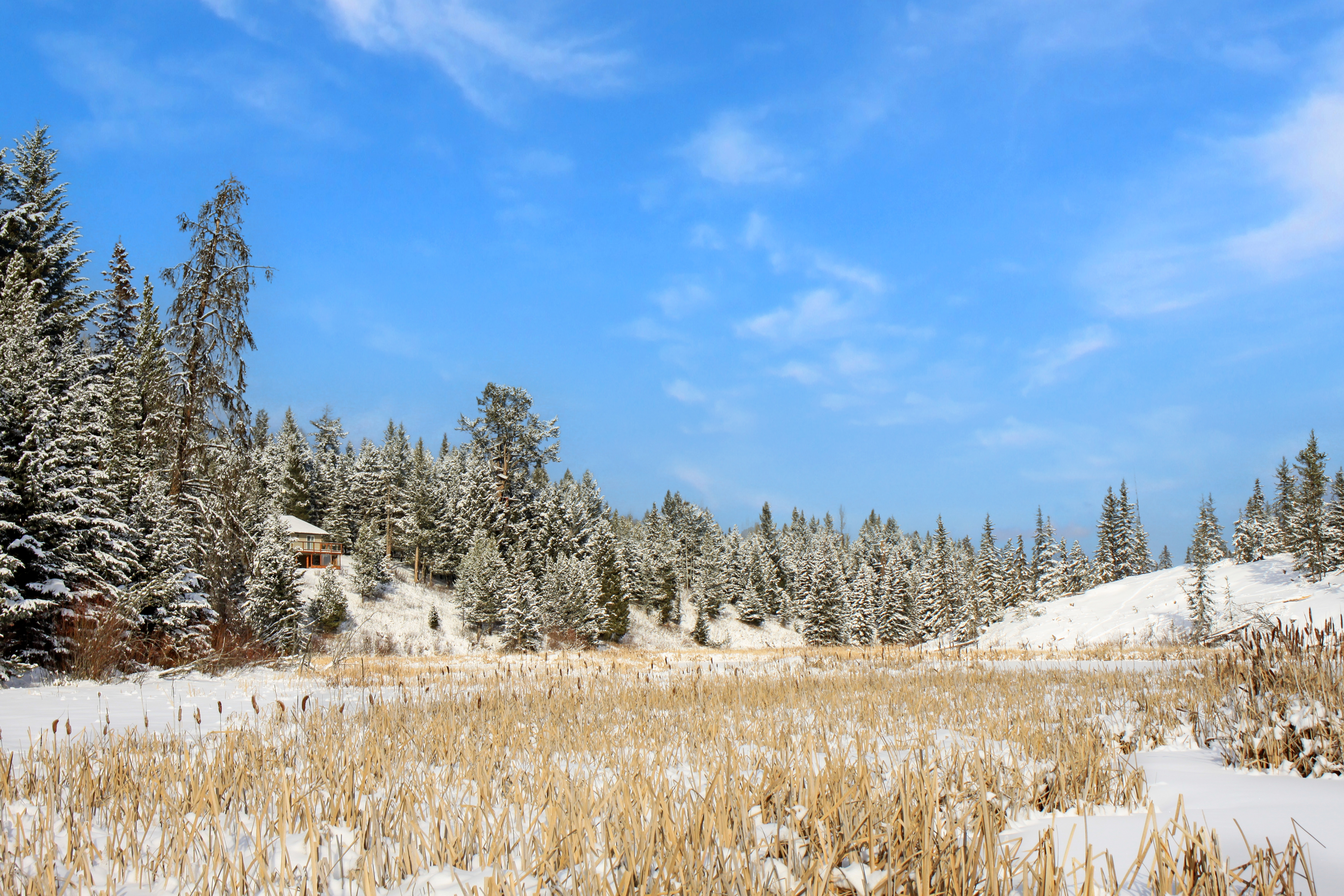
Can you live year-round in Interlakes, BC?
If you’re considering a move to Interlakes, BC, especially for retirement or semi-retirement, this question almost always comes up sooner or later:
“Can you actually live there year-round?”
Sometimes it’s asked casually.
Other times it’s the deciding factor between moving forward confidently or putting the idea on hold.
Interlakes attracts people because of space, privacy, and lifestyle — but living year-round in a rural area is very different from seasonal use or city living. The honest answer is this:
Yes, many people live in Interlakes year-round and do so comfortably — but it’s not passive living.
Year-round living here works very well for the right people, with the right expectations and the right property. In this article, I’ll walk you through what year-round living in Interlakes is really like, what matters most, and how to know if this lifestyle is a good fit for you.
What “year-round living” actually means in Interlakes
Year-round living in Interlakes isn’t about toughness or “handling” rural life. It’s about planning, mindset, and fit.
People who live here full-time tend to:
Think ahead rather than react
Plan errands and appointments intentionally
Understand their property systems
Accept that convenience looks different than it does in the city
For many retirees, this feels freeing rather than limiting. For others, it can feel overwhelming if expectations aren’t aligned.
Access and roads: the single biggest factor
More than weather, more than house size, more than views — access is the most important factor for year-round living.
Key questions include:
Is the road publicly maintained?
Is it private, and who is responsible for maintenance?
How long is the driveway?
Is winter access reliable?
Properties that work beautifully year-round usually have:
Consistent access
Manageable driveways
Clear maintenance responsibility
When access is overlooked, year-round living becomes stressful very quickly. When it’s understood upfront, winter becomes routine instead of intimidating.
Water, septic, and utilities year-round
Most year-round homes in Interlakes rely on private systems, including:
Wells
Septic systems
Propane, wood, electric, or combination heating
These systems are not unusual or risky — they’re simply part of rural living.
Year-round residents who are happiest tend to:
Understand how their systems work
Expect routine maintenance
Match the property to their lifestyle needs
People who struggle usually expected rural systems to function like city infrastructure — invisible and hands-off. Once expectations are adjusted, most find these systems very manageable.
Winter: predictable, not extreme
Winter is often the biggest mental hurdle for people considering year-round living in Interlakes.
Here’s the reality:
Snow is normal
Cold is predictable
Preparation matters more than toughness
Unlike coastal winters, Interlakes winters tend to be consistent. There’s less freeze-thaw chaos, and conditions are generally stable once winter sets in.
People who thrive in winter tend to:
Use proper winter tires
Plan for snow removal
Embrace quieter routines
Enjoy the slower pace
Those who struggle most usually expected winter to feel like an interruption rather than a season.
Daily life looks different — by design
Year-round living in Interlakes means adjusting how you approach everyday life.
That often includes:
Fewer spontaneous errands
More intentional trips to town
Planning appointments together
Spending more time at home
For many retirees, this is exactly what they want — less rushing, less noise, and fewer external demands.
For people who rely on constant activity or convenience, this adjustment can feel frustrating rather than peaceful.
Healthcare and services year-round
Healthcare access is one of the most important considerations for year-round living, especially for retirees.
Most Interlakes residents:
Rely on medical services in 100 Mile House for routine care
Travel to larger centres for specialized services
Plan appointments in advance
This model works well for people who:
Are proactive
Are comfortable driving
Understand that rural living requires planning
It can be more challenging for those who need frequent specialized care or expect immediate access to everything. Keep in mind some fire depts have medical first responders who will come out ahead of the ambulane, but not all fire depts offer that service.
Social life and community year-round
One common fear about year-round living is isolation.
The reality is more nuanced.
People who feel connected year-round tend to:
Engage locally, the community hall is a good space to start
Build relationships intentionally
Enjoy quieter, smaller social circles
Interlakes doesn’t offer built-in social activity the way cities do — but many residents find their connections deeper and more meaningful once established.
Client-style perspective: “It works because we chose the right property”
Many full-time Interlakes residents say some version of this:
“Living here works because we chose the right place for how we live now.”
The difference between people who love year-round living and those who struggle usually comes down to:
Property choice
Access
Expectations
Willingness to adapt
It’s rarely about toughness — it’s about alignment.
Who tends to thrive living year-round in Interlakes
You’re likely a good fit for year-round living if you:
Value peace, space, and quiet
Are comfortable planning ahead
Don’t need constant convenience
Enjoy being at home
Appreciate a slower rhythm of life
Enjoy winter
Many retirees find this stage of life pairs beautifully with Interlakes living.
Who may struggle with year-round living
Year-round living can feel challenging if you:
Need daily city-level services
Dislike winter driving
Don’t want responsibility for property systems
Feel anxious without nearby activity
There’s no right or wrong here — just honest fit.
Frequently asked questions
Do people live in Interlakes year-round or seasonally?
Both. Many people transition seasonally before committing full-time.
Is winter harder year-round than seasonal living?
It requires preparation, but many year-round residents find it predictable, manageable and very beautiful. We see a lot of blue sky days
Can retirees live comfortably year-round?
Yes — many do — especially those who plan and choose the right property.
Does year-round living affect resale value?
Properties suited for year-round living often hold value better over time.
Final thoughts: year-round living is a lifestyle choice
Living year-round in Interlakes isn’t about proving anything.
It’s about choosing a lifestyle that matches who you are now — your pace, your priorities, and your comfort level with rural independence.
For people who value quiet, space, and intentional living, year-round life in Interlakes can be deeply rewarding. For others, seasonal living or a different location may be a better fit.
The key is understanding what you need — before making the move.
If you’re considering year-round living in Interlakes and want to talk honestly about whether it makes sense for you, I’m always happy to help you think it through calmly and clearly.
Amanda Oldfield
Amanda Oldfield Realtor – Exp Realty
96 Hwy 97, 100 Mile House, BC
250-318-5202