Guide to Buying Rural Real Estate in BC
Real Estate, Rural BC, First-Time Buyers
A First-Time Buyer’s Guide to BC’s Rural Real Estate Market
Thinking about trading city streets for starry skies and wide-open spaces in British Columbia? This step-by-step guide walks first-time buyers through the realities of purchasing rural property in BC, how it differs from buying in town, and where a local expert like Amanda Oldfield can help you avoid costly surprises.
Step 1: Decide if Rural Life Truly Fits Your Lifestyle
In BC, rural properties often offer more land, privacy, and affordability than urban homes, but they come with trade-offs. Compared with city living, you may be farther from hospitals, schools, shopping, and entertainment, and you’ll likely rely on a vehicle for almost everything. Internet speeds, cell coverage, and road maintenance can vary widely between communities. Before you start viewing acreages, be clear on your priorities: are you comfortable driving 30–60 minutes to services, managing snow on a long driveway, or living with fewer on-demand conveniences? If the answer is yes, rural living can deliver an exceptional lifestyle of space, quiet, and connection to nature.
Step 2: Understand How Rural Financing Differs from Urban Mortgages
Financing a rural property in BC is not always as straightforward as buying a condo in Vancouver or a townhouse in Kelowna. Lenders tend to see rural homes, large acreages, and Agricultural Land Reserve (ALR) parcels as higher risk. For serviced rural homes, banks may ask for 20–25% down, but for unserviced land or larger acreages, that can climb to 25–50% down with fewer lenders willing to participate. Credit unions and specialized rural mortgage brokers often provide more flexible options, especially for properties with wells, septic systems, or farm potential. Compared with urban purchases, you’ll want to speak with a mortgage professional early, confirm what types of rural properties they will finance, and budget for slightly higher down payments and interest premiums in some cases.
Step 3: Plan for Rural Appraisals and “Thin” Markets
In urban centres, appraisers have plenty of recent comparable sales to help determine value. Rural BC is different. Properties are more unique, sales are less frequent, and the closest comparable might be many kilometres away. Automated valuation models that work reasonably well in cities can undervalue rural homes and acreages, which can affect how much your lender is willing to advance. Expect a more detailed appraisal process, sometimes at a higher cost and with a longer turnaround. Working with a REALTOR® experienced in rural markets, like Amanda Oldfield in 100 Mile House, can help you price offers realistically, anticipate appraisal challenges, and avoid shortfalls between the purchase price and what the lender will fund.
Step 4: Evaluate Water, Septic, and Other Essential Services Carefully
In the city, you rarely think about where your water comes from or where waste goes; municipal systems handle it. In rural BC, many homes rely on private wells, cisterns, and septic systems. As a first-time buyer, you should budget for professional inspections and testing: water potability tests, well production (flow) tests, and septic inspections are all critical. Replacement or repair of these systems can be expensive, and lenders will want to know they are functioning and compliant. Also ask about power reliability, backup options, and heating sources (propane, wood, electric, or a combination). These due-diligence steps are far more involved than in most urban purchases but are essential to protecting your health, safety, and investment.
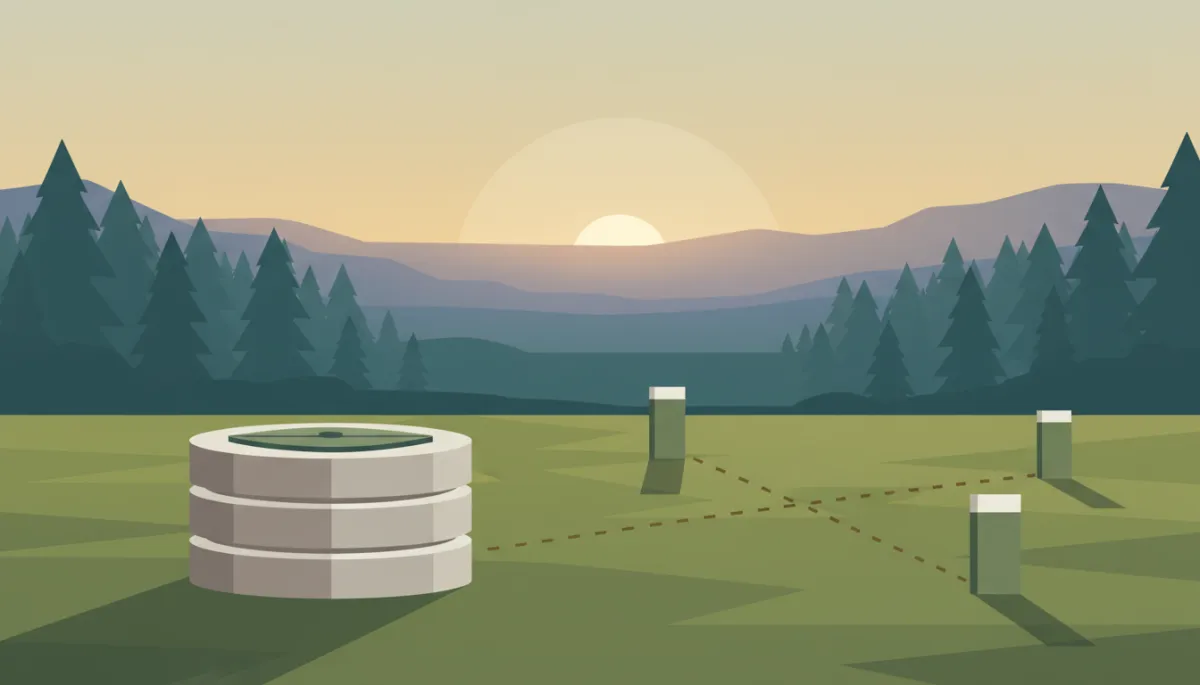
Thorough inspections of wells and septic systems can prevent costly surprises after move-in.
Step 5: Factor in Distance to Services, Work, and Community
One of the biggest differences between rural and urban buying in BC is proximity to services. In cities, you may be minutes from hospitals, schools, grocery stores, and public transit. In rural areas, services can be 30–90 minutes away, and winter driving conditions may extend those travel times. When evaluating a property, map out your drive to work, your children’s school, medical care, and recreation. Consider fuel costs, road conditions, and whether you need a more capable vehicle. Also look at community fit: smaller towns often offer tight-knit, welcoming communities, but fewer cultural or nightlife options than major urban centres. If you work remotely, confirm internet speeds and reliability before committing to a purchase.
Step 6: Check Zoning, ALR Status, and Future Plans for the Land
Rural BC properties can fall under a variety of zoning categories, including residential, agricultural, and resource uses. If the property is in the Agricultural Land Reserve, agriculture is the priority use, and there may be restrictions on additional dwellings, non-farm businesses, or subdivision. These rules can be very different from urban zoning bylaws, which mainly focus on density and building form. Before you remove conditions, confirm zoning, ALR status, and any local bylaws that affect how you can use the land especially if you dream of having animals, starting a hobby farm, or adding rental units or outbuildings. A knowledgeable rural REALTOR® can help you interpret these regulations and connect you with local authorities for clarification.
Step 7: Build a Local Team Including a Rural Real Estate Specialist
Successful rural purchases in BC rely on a strong local team. In addition to your lender and lawyer or notary, you may need a well technician, septic inspector, home inspector with rural experience, surveyor, and sometimes an environmental consultant. A local REALTOR® who understands the 100 Mile House and surrounding Cariboo area can coordinate these professionals, flag property-specific risks, and help you price offers appropriately in a “thin” market with fewer comparable sales. Unlike many urban agents who focus on condos and city houses, rural specialists are used to navigating wells, septic, outbuildings, forested lots, and access issues, making them invaluable guides for first-time buyers.
Step 8: Take the Next Step with Amanda Oldfield, Rural BC REALTOR®
If you are considering a move to BC’s Cariboo or surrounding rural communities, you do not have to navigate this process alone. Amanda Oldfield, Realtor – eXp Realty, is based right in the heart of the region at 96 Hwy 97, 100 Mile House, BC, and understands the unique realities of wells, septic systems, acreages, ALR properties, and financing in smaller markets. Amanda can help you narrow down areas that fit your lifestyle, connect you with rural-friendly lenders and inspectors, and guide you from first viewing to final keys in hand. Call 250-318-5202 or visit https://www.amandaoldfield.com to start your rural home search with a trusted local expert today.
Key Differences: Rural vs. Urban Buying in BC at a Glance
Financing: Rural properties often require larger down payments, have fewer mainstream lending options, and may involve credit unions, specialized brokers, or private lenders, whereas urban homes usually fit standard bank mortgage products more easily.
Appraisals: Urban appraisals rely on abundant recent sales; rural appraisals must account for unique features and scarce comparables, sometimes leading to more conservative valuations and longer processing times.
Distance to Services: City buyers typically enjoy quick access to transit, shopping, and healthcare; rural buyers must plan for longer drives, weather impacts, and fewer nearby amenities, balancing those factors against more space, privacy, and a quieter lifestyle.
Glossary of Common Rural Real Estate Terms in BC
Agricultural Land Reserve (ALR)
A provincial land-use zone in BC where agriculture is the priority. Non-farm uses, subdivision, and additional dwellings may be restricted and require approval from the Agricultural Land Commission.
Appraisal
A professional opinion of a property’s market value, typically required by lenders before approving a mortgage. Rural appraisals often consider a wider geographic area due to fewer comparable sales.
Comparable Sales (“Comps”)
Recent, similar properties that have sold in the area, used to help determine the value of the home you’re buying. In rural areas, comps may be older or farther away than in cities.
Credit Union
A member-owned financial institution that often provides more flexible mortgage options for rural and small-town buyers than some large national banks.
Down Payment
The portion of the purchase price you pay upfront. Rural properties in BC frequently require higher down payments than comparable urban homes, especially for large acreages or unserviced land.
Septic System
An on-site wastewater treatment system commonly used in rural areas without municipal sewer service. It typically includes a tank and a drain field and must be properly maintained and inspected.
Well (Water Well)
A drilled or dug source of groundwater used to supply a rural property with drinking water. Buyers should test wells for both water quality and production (flow rate) before removing conditions.
Vendor Take-Back (VTB) Mortgage
A form of seller financing where the seller acts as the lender for part or all of the purchase price. VTBs can be useful in rural transactions where traditional financing is more difficult to secure.
Amanda Oldfield Realtor - eXp Realty
96 Hwy 97, 100 Mile House, BC
250-318-5202