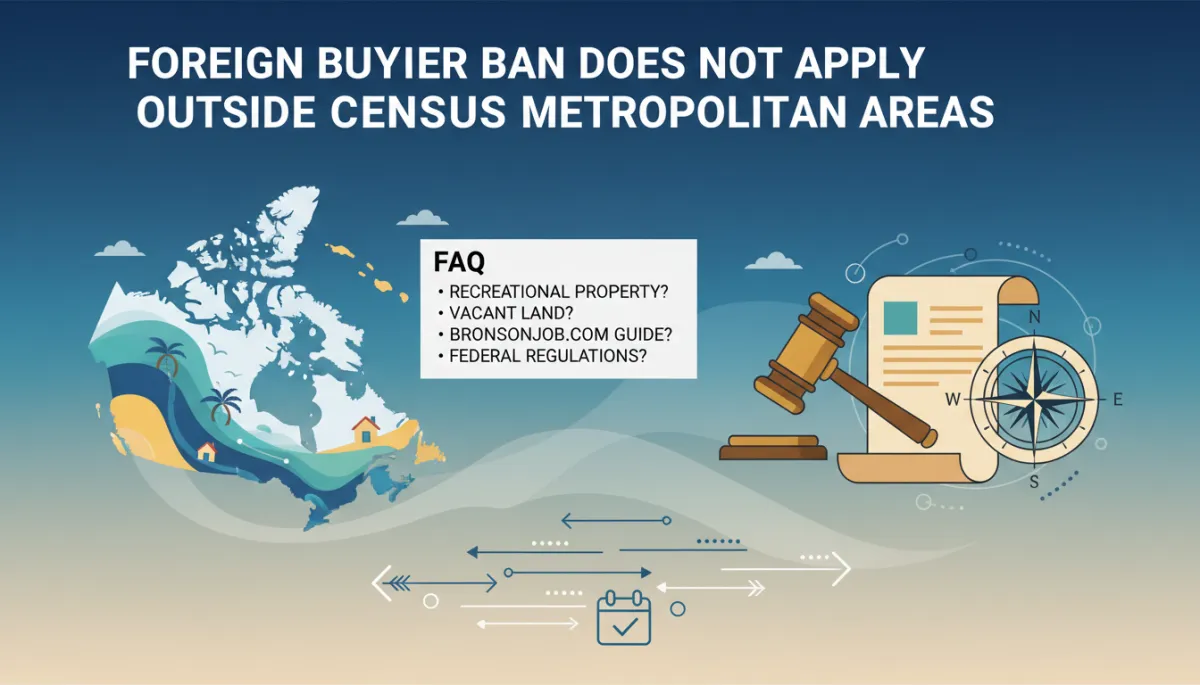
Foreign Buyer Ban: Cariboo Real Estate Insights
Real Estate Law, Foreign Buyer Ban, Cariboo BC
Legal / Regulatory: Can Foreign Buyers Purchase Property in the Cariboo? Canada’s Foreign Buyer Ban Explained
In practical terms, Canada’s federal foreign buyer ban does not apply to most Cariboo properties. The law targets residential homes inside Census Metropolitan Areas (CMAs) and Census Agglomerations (CAs). The Cariboo is outside these urban zones, so foreign buyers can generally purchase recreational, rural, and acreage properties there.
The Short Answer: The Ban Targets Cities, Not the Cariboo
Canada’s Prohibition on the Purchase of Residential Property by Non‑Canadians Act came into force on January 1, 2023 and has been extended to remain in effect until January 1, 2027, unless Ottawa changes it again beforehand. It restricts certain non‑Canadians from buying residential property located inside CMAs or CAs essentially, larger urban centres and their commuter belts.
The Cariboo region of British Columbia is outside any CMA or CA boundary. According to federal guidance and Canada Mortgage and Housing Corporation (CMHC) FAQs, properties outside CMAs/CAs are not captured by the ban, meaning foreign buyers can typically purchase there, subject to any separate provincial taxes or rules.
FAQ: Foreign Buyer Ban Exemptions & How They Work
📌 Key Context: The ban is federal and applies nationwide, but only to specific property types inside CMAs/CAs. Everything below assumes a property that would otherwise be covered (for example, a city condo). In the Cariboo, most properties are already outside the ban because of their location.
FAQ Block Who and What Is Exempt?
Does the ban apply to properties outside Census Metropolitan Areas (CMAs) and Census Agglomerations (CAs)?
No. CMHC and federal regulations confirm that the prohibition is limited to residential properties within CMAs/CAs. Rural and recreational properties outside those boundaries like most of the Cariboo—are exempt from the federal ban.
Are recreational or vacation properties in the Cariboo caught by the ban?
Generally, no. Recreational cabins, lakeside cottages, and rural homes in the Cariboo are outside CMAs/CAs, so they fall outside the Act. Foreign buyers can usually purchase these, subject to normal due diligence and any BC taxes that may apply.
What about vacant land?
Since March 27, 2023, the regulations specify that the prohibition does not apply to vacant land, even if it is zoned for residential or mixed use. Non‑Canadians can therefore purchase undeveloped land, including bare acreage and lots, anywhere in Canada, including within CMAs/CAs.
Can temporary residents (e.g., work permit holders) buy a home?
Yes, if they meet specific conditions. Amendments allow certain work‑permit holders and other temporary residents to purchase one residential property, provided their permit has at least 183 days remaining at closing and other criteria are satisfied, as set out in the regulations.
Are refugees and protected persons exempt?
Yes. Protected persons, certain refugee claimants, and individuals granted status under public‑policy grounds are exempt under the Act and regulations, even for properties inside CMAs/CAs.
What if a foreign buyer is purchasing with a Canadian spouse or partner?
A non‑Canadian may buy residential property jointly with a spouse or common‑law partner who is a Canadian citizen, permanent resident, or registered Indian under the Indian Act, or who qualifies as a temporary resident or protected person. This spousal/common‑law exemption is written directly into the Act.
Are large multi‑unit buildings restricted?
No. The Act only covers buildings with three dwelling units or fewer. Apartment buildings or complexes with four or more units are not considered “residential property” under this law, so non‑Canadians can purchase them, even in CMAs/CAs.
⚠️ Legal Note: Breaching the Act can lead to fines of up to $10,000 and a court‑ordered sale of the property. Always obtain legal advice before attempting to structure around the rules.
Recreational Property in the Cariboo: Why It’s Generally Excluded
CMHC’s official FAQ clarifies that the foreign buyer prohibition only applies where a residential property is located in a Census Metropolitan Area or Census Agglomeration. The Cariboo’s lakes, ranchlands, and small communities are rural and do not form part of a CMA/CA. As a result, foreign buyers can usually purchase:
Recreational cabins and cottages
Hobby farms, ranches, and acreages
Rural single‑family homes and small town properties
These properties are still “residential” in everyday language, but because they sit outside a CMA/CA boundary, they are simply not within the scope of the Act. That is why the Cariboo continues to be open to foreign buyers looking for a second home, retirement retreat, or recreational escape.
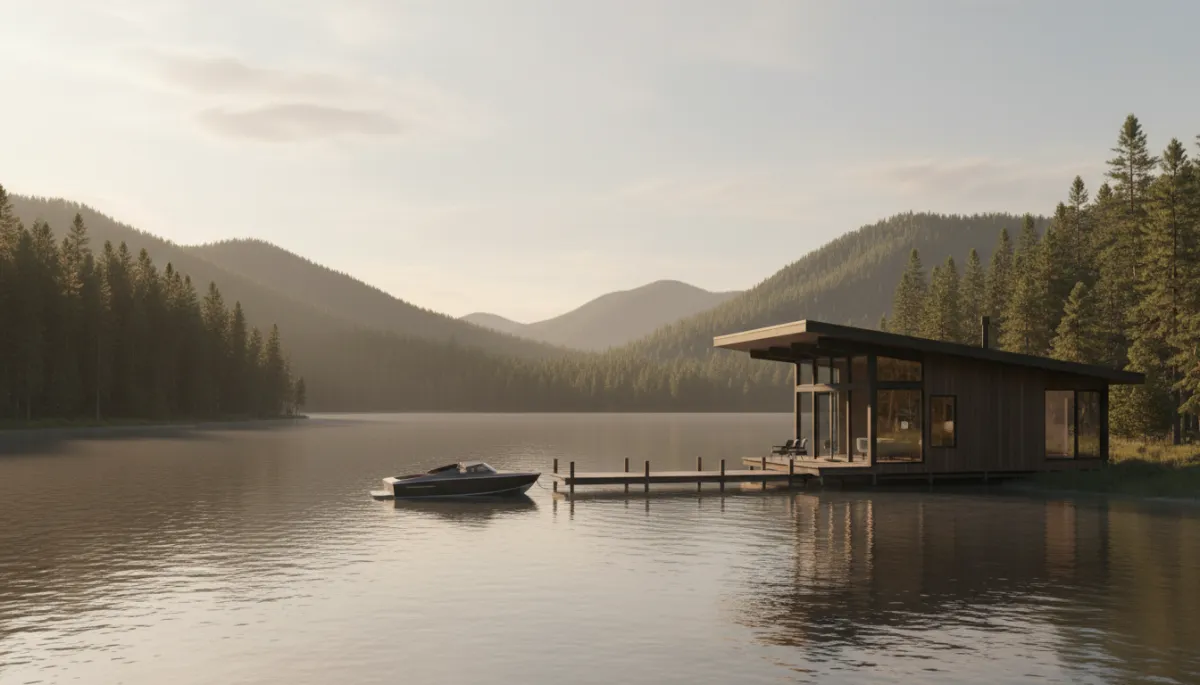
Most Cariboo recreational and rural properties sit outside urban CMA boundaries and remain accessible to foreign buyers.
Vacant Land: A Key Opportunity for Non‑Canadians
One of the most important 2023 amendments to the regulations was the clarification that the ban does not apply to vacant land. Non‑Canadians may buy bare land anywhere in Canada, including parcels that are zoned for residential or mixed use, whether or not they are inside a CMA/CA, and whether or not they are intended for development.
For the Cariboo, this opens the door for foreign buyers to:
Purchase raw acreage or timbered land for future building or recreation
Assemble larger holdings for ranching, eco‑tourism, or investment
Secure a future home site now, then build later when circumstances allow
💡 Pro Tip: Even when the federal ban does not apply, zoning bylaws, Agricultural Land Reserve rules, and BC’s property transfer tax (including the separate provincial foreign buyer tax in some areas) may still affect your plans. Always review local regulations carefully.
Using the bronsonjob.com Guide & Verifying Current Rules
The bronsonjob.com foreign buyer guide provides a practical, plain‑language breakdown of how the federal ban interacts with rural and recreational markets like the Cariboo. It emphasizes two crucial points that align with current federal materials:
The prohibition is geographically limited to CMAs/CAs, leaving regions like the Cariboo generally open to foreign purchasers.
Vacant land and many recreational properties are outside the scope of the Act, creating ongoing opportunities for non‑Canadian buyers.
As of August 19, 2026, federal sources confirm that the Prohibition on the Purchase of Residential Property by Non‑Canadians Act remains in force and is scheduled to expire on January 1, 2027, unless Parliament extends or amends it again. Before you rely on any summary (including this one), you should:
Check the latest version of the Act and regulations on laws‑lois.justice.gc.ca.
Review current CMHC FAQs and federal finance updates to confirm the expiry date and any new exemptions or extensions.
Obtain advice from a BC real‑estate lawyer or notary who can apply the rules to your specific transaction in the Cariboo.
Bottom Line for Foreign Buyers in the Cariboo
For non‑Canadians, the Cariboo remains one of British Columbia’s most accessible regions for purchasing recreational and rural property. The federal foreign buyer ban largely targets urban housing markets within CMAs/CAs and, after 2023 amendments, explicitly excludes vacant land altogether. With careful legal and tax advice and by cross‑checking current federal regulations before you sign foreign buyers can still confidently pursue cabins, acreages, and land in the Cariboo.