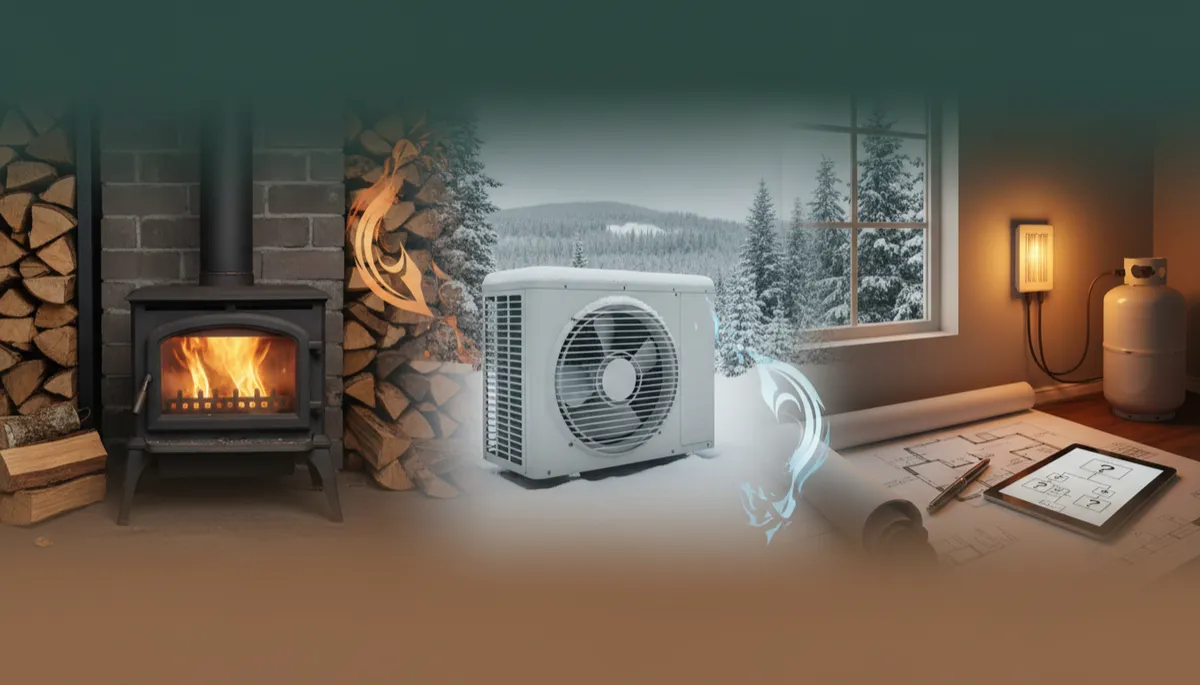
Heating Options for Rural Cariboo Homes in BC
Real Estate, Rural Living, Home Heating
Comparing Heating Options for a Rural Cariboo Home in BC
If you’re buying or upgrading a rural home in the Cariboo, your heating system isn’t just a line on the listing. It affects your comfort, yearly budget, and even whether you can get insurance. This guide walks through the main options you’ll see in the region, how they stack up in real Cariboo winters, and the key questions to ask before you write an offer. When you’re comparing listings, don’t forget you can always ask Amanda which homes already have efficient heating in place.
First, Think About Cariboo Winters and Your Lifestyle
The Cariboo has long, cold winters, big temperature swings, and plenty of power outages in some areas. Many rural homes are off natural gas, so owners rely on wood, propane, oil, or electric heat. Increasingly, people are adding cold-climate heat pumps to cut costs and improve comfort.
No single system is “best” for everyone. The right choice depends on:
Your budget for upfront costs and monthly bills
Whether you’re home full‑time or only seasonally (or renting out the home)
Your comfort level with physical work (cutting, stacking, hauling wood)
Access to reliable fuel deliveries and electricity
Below is a plain‑language look at each main option you’ll see in rural Cariboo listings, based on current 2026 information and regional programs.
1. Wood Heat: Cheap Fuel, High Labour, and Insurance Details
Wood heat is still king in many Cariboo homes. A 2024 BC survey showed around 40% of Cariboo households use wood or pellets as their primary heat, far above the provincial average. It’s popular for a reason: if you have your own woodlot or know a good local supplier, it can be the cheapest way to stay warm.
Cost of Wood Heat
On a pure fuel basis, seasoned cordwood often delivers heat for roughly around $24 per gigajoule of heat, making it cheaper than both electric baseboard and propane in BC (which are closer to $39/GJ and $50/GJ respectively, according to recent cost comparisons). In one BC example, a wood‑heated home cost roughly $1,260 per year to heat versus about $4,858 with propane for a similar heat load — a savings of over $3,500 per year in that scenario.
The Labour Side: Who’s Doing the Work?
The trade‑off is labour. With wood you (or someone you hire) must:
Cut, split, and stack several cords of wood well ahead of winter
Move wood daily from the woodshed to the house, often in deep snow and cold
Clean ash, maintain the stove, and arrange regular chimney sweeping
Wood heat also needs tending: you’re loading the stove, adjusting air controls, and waking up to a cooler house if the fire dies overnight. If you travel a lot in winter or have mobility or health issues, relying on wood alone can be stressful.
Insurance, WETT Inspections, and Safety
Most insurers will want proof that any wood stove or wood furnace is installed correctly and safe. In practice, that usually means a WETT inspection (Wood Energy Technology Transfer). A WETT inspector checks:
Clearances from the stove and chimney to walls and ceilings
Proper chimney type and installation through the roof or wall
Hearth protection and floor shielding
When you’re buying, ask for any existing WETT reports. If none are available, budget for an inspection before you finalize insurance. Also note that many insurers prefer or require EPA‑certified stoves, which burn cleaner and more efficiently than older models. There are also outdoor wood boilers available in the region (for example, from Cariboo‑based dealers) that can heat multiple buildings, but they still need proper installation and permits.
Seasonal Fit for the Cariboo
Wood heat shines in the depths of winter when you’re home most days and want that deep, steady warmth. In shoulder seasons (fall and spring), it can feel like “too much” work for just a small chill, which is why many owners pair wood with another system (like baseboards or a heat pump) for quick, light heating on milder days.
2. Propane and Oil: Reliable but Often the Most Expensive to Run
Where there’s no natural gas, you’ll often see propane or sometimes heating oil furnaces and boilers. These systems are popular because they’re easy to use: set the thermostat and they take care of the rest, even if you’re away for weeks at a time.
Cost and Convenience of Propane and Oil
Based on 2026 estimates, propane can cost around about $49.93 per gigajoule of delivered heat, making it more expensive than electric baseboards on a per‑unit basis. Oil prices vary but are usually in the same “higher‑cost” category. The upside is that modern propane and oil furnaces are quite efficient (often around 95%+), and they provide strong, steady heat no matter how cold it gets outside.
You’ll need a reliable local supplier and good access for delivery trucks. In heavy snow years or on steep driveways, you may want to plan top‑ups before roads get tricky. Some suppliers offer automatic delivery based on your past usage, which can be reassuring if you’re not living there full time.
Seasonal Pros and Cons in the Cariboo
Propane and oil shine in January and February when temperatures plunge. They don’t lose output in the cold the way some heat pumps can, and they keep pipes from freezing in a vacant home. The main downside is cost: running a furnace all winter on propane or oil can lead to very large annual bills, especially in older, drafty homes common in rural areas.
Insurance and Risk Factors
Insurers generally like the reliability of a well‑maintained furnace or boiler, but they will want to know:
Age and service history of the unit (older units may need inspection or replacement)
Condition and location of fuel tanks (especially older oil tanks, which can be an environmental and insurance concern if they leak)
If a listing mentions an “older oil furnace” or a “single‑wall oil tank,” ask follow‑up questions. Replacement can be a significant cost, but may also improve your insurance options and lower your risk.
3. Electric Baseboard: Simple, Low Upfront Cost, Higher Monthly Bills
Many Cariboo homes especially smaller cabins or older houses rely on electric baseboard heaters. They’re cheap to install and almost maintenance‑free. Each room has its own thermostat, so you can shut down unused areas in winter, which is handy for seasonal or part‑time owners.
How Expensive Are Baseboards to Run?
In BC, baseboards use BC Hydro electricity at tiered rates. By the time you’ve heated a whole home through the winter, much of that use lands in Tier 2, around $0.1499/kWh. That works out to an estimated about $39.11 per gigajoule of heat delivered cheaper than propane on a per‑unit basis, but still high enough that many owners see winter bills in the thousands of dollars for a mid‑sized home that relies on baseboards alone.
Seasonal Role in a Rural Home
Baseboards work well as a backup or shoulder‑season system. Many Cariboo homeowners run wood heat in deep winter and use baseboards on cool fall and spring evenings, or to keep bathrooms and bedrooms a bit warmer. Because baseboards have no moving parts, they’re also a reliable emergency backup if another system fails.
Insurance and Safety Considerations
Insurers generally have no problem with electric baseboards. From a fire and wildfire standpoint, they’re low risk compared with wood stoves or older oil systems. The main concern is cost and whether the home can be kept warm enough in extreme cold without breaking the bank, especially if it’s a rental or if the owner is on a fixed income.
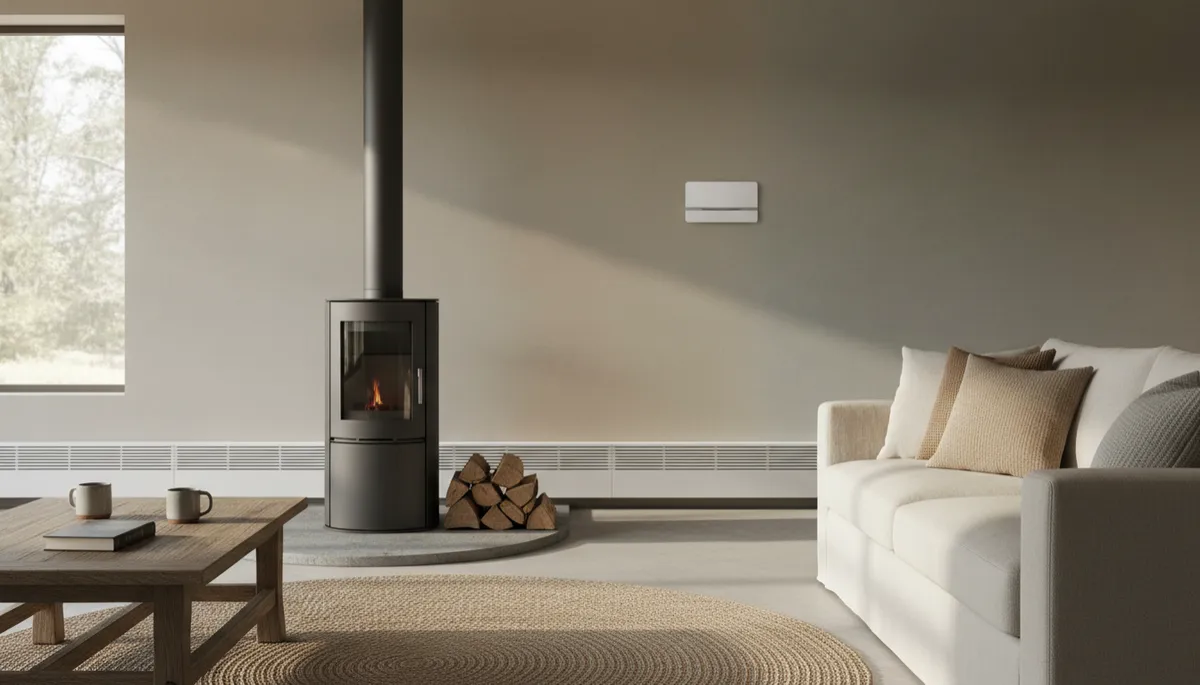
Many Cariboo homes use a mix of systems to balance cost, comfort, and backup.
4. Cold‑Climate Heat Pumps: Efficient, Comfortable, and Heavily Rebated
Heat pumps have moved from “experimental” to mainstream in rural BC. In fact, adoption rates in rural areas are now higher than in cities, as homeowners look for ways to cut high propane and electric bills. Modern cold‑climate air‑source heat pumps are designed to work reliably in sub‑zero temperatures, with brands like Mitsubishi and Daikin offering models rated down to around –30 °C or below.
How Heat Pumps Save Money
Instead of creating heat like a baseboard, a heat pump moves heat from outside to inside. For every unit of electricity it uses, it can deliver two to three (or more) units of heat, depending on outdoor temperature. That means your cost per unit of heat can be far lower than straight electric or propane, especially in the Cariboo’s long shoulder seasons when temperatures are cold but not extreme.
Cold‑Climate Performance for Cariboo Winters
Not all heat pumps are equal. For a rural Cariboo home, look specifically for NEEP‑listed cold‑climate models many Mitsubishi H2i and Daikin Aurora/“Fit” systems fall into this category. These units are designed to keep delivering useful heat at –25 °C or colder, though efficiency does drop as temperatures fall. Many homeowners still keep a backup system (wood, propane, or baseboards) for the very coldest snaps or power outages.
2026 Rebates for Heat Pumps in BC (Including Cariboo)
As of 2026, there are significant rebates available to help Cariboo homeowners switch to heat pumps. Program details can change, so always confirm current rules on the CleanBC Better Homes website, but recent examples include:
CleanBC Home Renovation Rebate (HRR) – Up to about $4,000 for a whole‑home cold‑climate heat pump, or around $1,500 for partial‑home systems, with bonus rebates if you combine upgrades like insulation or windows.
CleanBC Energy Savings Program (ESP) – Income‑based support for qualifying households. Depending on your income level and what you’re switching from (electric or fossil fuel), rebates can reach up to $13,000, plus a $3,000 “northern top‑up” for eligible homes north of and including 100 Mile House that are on BC Hydro power. This covers much of the Cariboo region.
Wood Stove Exchange Bonuses – If you replace an older wood stove with a heat pump, you may qualify for an extra $1,500–$3,000 depending on your community and whether it’s in a higher‑pollution “red zone” or an Indigenous community.
On top of provincial programs, the federal government has announced a new National Heat Pump Rebate (up to $10,000 for lower‑income households and $2,000 for others), though final details and launch timing are still being rolled out. Many programs require that you use a registered contractor and install a qualified cold‑climate model, so it’s worth planning ahead with a local HVAC company familiar with CleanBC rules.
Seasonal Comfort and Cooling Bonus
A big plus for heat pumps is that they also provide air conditioning in summer. With wildfire smoke and more frequent heat waves, being able to cool and filter your indoor air is becoming a real selling feature. Buyers are increasingly asking Amanda which listings already have heat pumps installed because they know it helps both winter bills and summer comfort.
5. Wildfire Risks and Insurance: How Heating Systems Play a Role
In the Cariboo, wildfire risk is now a standard part of any rural conversation. While your heating system is only one piece of the puzzle, it does affect both fire risk and insurability.
Wood Heat and Wildfire Season
During wildfire season, sparks and embers from wood stoves and chimneys can be a concern, especially if the roof is older or there’s combustible material nearby. To reduce risk:
Make sure chimneys have proper spark arrestors and are in good repair.
Keep firewood piles well away from the house and outbuildings, especially in summer.
Clear needles, leaves, and other fuels from around the home and deck as part of FireSmart practices.
Some insurers look more closely at homes with older, uncertified wood stoves or outdoor boilers, especially if the property is in a heavily forested area. Upgrading to an EPA‑certified unit and keeping good documentation (including WETT reports and chimney sweep receipts) can help when you’re shopping for coverage.
Other Systems and Insurance
Electric baseboards and heat pumps are generally seen as lower fire risk systems, which can be a plus from an insurance point of view. Propane and oil furnaces are also widely accepted, but older oil tanks, lines, and poorly maintained equipment can raise concerns. In some high‑risk wildfire zones, insurers may look at the whole picture: roof type, defensible space, access roads, water supply, and heating system together when deciding on coverage and premiums.
6. Key Questions to Ask About Heating When You’re Buying a Home
When you tour rural listings in the Cariboo, heating questions should be high on your list. Here are practical questions to ask the seller, your inspector, or Amanda as your agent:
What is the primary heating system, and what are the backups? Is it wood, propane, oil, electric baseboard, a heat pump, or a combination? Many rural homes rely on more than one system.
How old are the main components? Ask the age of the furnace, boiler, heat pump, or stove, and whether there are any warranties still in place.
Are there recent service records or inspections? For wood stoves, ask for WETT reports and chimney sweep receipts. For furnaces and heat pumps, ask for annual service records.
What are the typical winter heating costs? Request recent BC Hydro bills and any propane or oil delivery records. This gives you a real‑world picture instead of just guesses.
Is the home insulated and air‑sealed properly? Even the best heating system struggles in a drafty house. Ask about attic and wall insulation, window age, and any recent energy upgrades or blower‑door tests.
Is the home eligible for current rebates? If you’re planning to add a heat pump or replace an old wood stove, ask whether the home’s existing system and your income level would qualify for CleanBC, BC Hydro, or other rebates. Amanda can help you check this against the latest program rules.
Are there any insurance issues tied to the heating system? Has the current owner had any trouble getting coverage because of an old wood stove, oil tank, or wildfire risk rating?
Pulling It All Together: Matching Heating to Your Plans
For many rural Cariboo buyers, the best setup isn’t just one system, but a thoughtful combination:
A cold‑climate heat pump as your main, efficient everyday heat (and summer cooling), especially when rebates are available to bring down the upfront cost.
A certified wood stove for cozy backup heat, power outages, and deep winter cold snaps when you’re home to tend it.
Electric baseboards or a small propane/oil furnace as a safety net for vacant periods or when you can’t be there in person.
When you’re comparing properties, heating can be the difference between a home that “sort of works” and one that feels comfortable and affordable for the long term. Ask Amanda which listings already have efficient systems in place especially newer heat pumps, EPA‑certified stoves, and recent insulation upgrades and where there might be room for you to take advantage of current rebates after you move in.
With the right mix of heating, and a clear view of costs, labour, and insurance, a rural Cariboo home can be warm, safe, and surprisingly affordable to run even through the longest winters.