Hobby Farms for Sale in South Cariboo
Real Estate, Hobby Farms, South Cariboo
Hobby Farms for Sale in South Cariboo: A Realistic Guide for 100 Mile House Buyers
Thinking about trading city noise for chickens, gardens, and big Cariboo skies? Late winter and spring are prime seasons to start seriously looking at hobby farms for sale around 100 Mile House and across the South Cariboo. As someone who helps buyers and sellers with these properties every year, I can tell you: the dream is absolutely possible here but it works best when you go in with clear eyes and good information.
Why 100 Mile House and the South Cariboo Attract Hobby Farmers
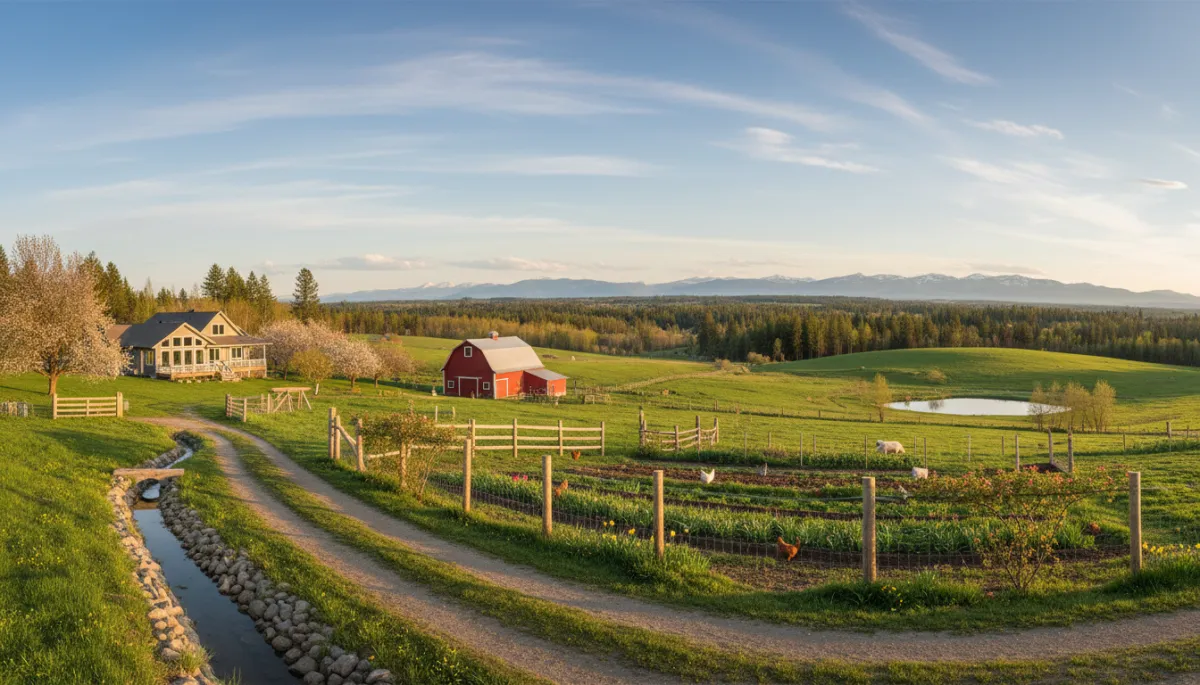
The South Cariboo—especially the communities in and around 100 Mile House—offers a mix of affordability, space, and lifestyle that is hard to match. You can still find small acreages with room for chickens, a big garden, and a few sheep or goats, without needing a full-time commercial operation. Current listings range from compact equestrian acreages of 4–10 acres near lakes, to larger holdings with hay fields and multiple barns north and east of town, confirming that there is something for most budgets and ambitions in this market.
Around 100 Mile House you will see a wide variety of options: lakeview properties with paddocks and arenas, older farmsteads ready for renovation, and big hay farms that can be scaled down into a comfortable retirement hobby operation. The key is matching the property to the life you actually want to live—not the one that only looks good in a listing photo.
What Really Counts as a “Hobby Farm” in the Cariboo?
“Hobby farm” is more of a lifestyle term than a legal category. In everyday use, it usually means a small farm where the primary goal is quality of life—fresh eggs, homegrown vegetables, a few animals—rather than full-time farm income. Many families and retirees around 100 Mile House keep:
A flock of laying hens and maybe a few meat birds in season
A couple of horses, or a few sheep, goats, or alpacas for pasture management and enjoyment
A productive garden, greenhouse, and some fruit trees or berry bushes
Some of these properties also qualify for farm status under BC’s Assessment Act, which can reduce property taxes if you meet minimum sales thresholds. Others are simply rural acreages used in a farm-like way. When you browse hobby farm listings, you will see both: small farms in the BC Cariboo with farm status, and lifestyle acreages that feel very similar but are assessed as residential. Which is right for you depends on how much production and record-keeping you want to take on.
💡 Pro Tip: If farm status is important to you, ask your agent for the current BC Assessment classification and recent farm income history before you write an offer.
Zoning and Land-Use Basics: RR, ALR, and What You Can Actually Do
Before you fall in love with a red barn or a view over Horse Lake, take a close look at the zoning. In the South Cariboo, land use is guided by the South Cariboo Area Zoning Bylaw No. 3501 and its amendments, administered by the Cariboo Regional District (CRD). Common rural zones include Rural Residential (RR) and Agricultural or Resource zones, each with its own rules about:
How many animals you can keep and of what type (for example “animal and stock raising” provisions)
Whether you can sell products from the property (farm retail sales usually must be products grown or produced on-site)
Whether small-scale agritourism or on-farm processing is allowed, and under what conditions
Many hobby farms around 100 Mile House are also within the Agricultural Land Reserve (ALR). ALR land comes with its own provincial rules designed to protect farmland, but it also strongly supports genuine agricultural use. In some zones, seasonal agritourism and farm-gate sales are allowed only if the land is classified as a farm under the Assessment Act and the majority of products are produced on that farm. Always confirm details directly with the CRD and the Agricultural Land Commission, or by using the CRD’s “Check Your Zoning” tool and speaking with their planning department.
⚠️ Important: Bylaws and ALR rules do change. Use this as a starting point, but verify permitted uses and any restrictions with the Cariboo Regional District and the Agricultural Land Commission before you remove conditions.
Water Sources: Wells, Licences, and Irrigation in the Cariboo Climate
In our region, water is one of the most important—and sometimes most overlooked—parts of a hobby farm purchase. Many small farms rely on private wells tapping into local aquifers. Others use a combination of wells, ponds, and licensed draws from nearby lakes or creeks, while some properties closer to communities connect to Cariboo Regional District water systems and must follow seasonal watering restrictions (for example, limited sprinkling hours in summer).
When you view a property, ask detailed questions about:
Well production and quality: When was the well drilled? What is the reported flow rate? Has the water been tested for potability and minerals recently?
Licences and rights: If there is an irrigation line from a creek or lake, is there a valid provincial water licence attached to the property, and what volume and season does it cover?
Storage and backup: Are there cisterns, ponds, or small dams used for livestock water or garden irrigation? How are they maintained, and do they meet current safety guidelines?
For gardens and small livestock, you do not need a huge irrigation system, but you do need something practical and efficient. Many Cariboo hobby farmers use a mix of drip lines, soaker hoses, and hand-watering, guided by provincial irrigation tools and best practices to avoid wasting water. Watering early in the morning or in the evening, and checking hoses and fittings regularly, goes a long way toward stretching your supply through our dry spells.
Barns, Fencing, and Outbuildings: What to Inspect Carefully
Most buyers fall in love with the idea of a big red barn and tidy white fences. The reality is that outbuildings and fencing can add or subtract tens of thousands of dollars in real value, depending on their condition. When you tour small farms in the BC Cariboo, look closely at:
Barns and loafing sheds: Check posts, trusses, and rooflines for sagging or rot, and look for evidence of leaks or poor drainage around the foundation. Confirm whether the building is considered a “farm building” under CRD guidelines or if full building permits were required when it was constructed.
Chicken coops and small animal housing: Are they predator-proof, with secure doors, hardware cloth, and solid floors? Is there power for heat lamps if you plan to brood chicks early in the season?
Fencing: Walk the fence lines. Look for broken wires, rotten posts, and low spots where snowmelt and spring runoff might undermine stability. Ask what animals have been kept there—goats, for example, need much tighter fencing than horses or cattle.
Shops and storage: A good shop for equipment and a dry storage space for hay and feed can make day-to-day life far easier, especially in winter when you do not want to be hauling bags through deep snow.
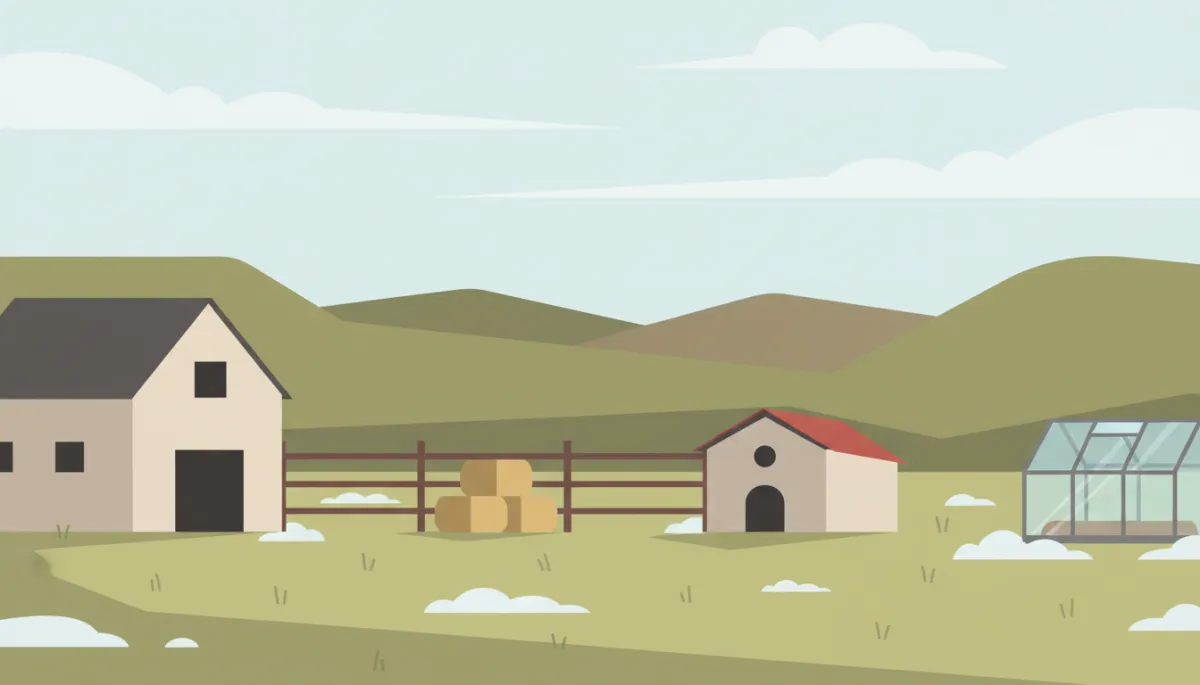
Sound barns and fencing often save new owners years of work and extra expense.
Growing Season Realities: What Your Garden and Pasture Can Actually Do
The South Cariboo offers a rewarding but sometimes challenging climate. Around 100 Mile House, you can expect a shorter growing season than in the Lower Mainland or Okanagan. Late frosts are common, and snow can linger on north-facing slopes into April. Many experienced local gardeners treat the May long weekend as the safe date for planting tender crops outdoors, and even then they keep frost cloth handy “just in case.”
To make a hobby farm thrive here, you will likely rely on:
A greenhouse or hoop house to start plants early and protect tomatoes, peppers, and cucumbers
Raised beds that warm up faster in spring and drain well during heavy rains or snowmelt
Hardy perennial choices—like raspberries, rhubarb, and certain apple varieties—selected for Cariboo winters
Pastures can be productive, but they also need rest and management. Many small farms rotate animals between paddocks, use dry lots during wet shoulder seasons to protect the grass, and supplement with hay for a good part of the year. If a listing mentions “hay fields,” ask when they were last actively managed and how many bales they typically produce in an average year; this will give you a more realistic picture of feed costs for your animals.
A Practical Hobby Farm Buyer Checklist for the South Cariboo
To keep your search focused and realistic, use this checklist as you tour properties around 100 Mile House and the wider South Cariboo:
Location and access: How far is it to town, schools, medical care, and feed stores? Is the road plowed reliably in winter, and who is responsible for it?
Zoning and ALR status: Confirm the CRD zoning, permitted uses, and whether the property is in the ALR. Ask specifically about animals, farm retail sales, and any plans you have (for example, small workshops or agritourism events).
Farm status and taxes: Is the property currently assessed as a farm, and do you want or need to maintain that classification? Understand the minimum sales requirements and paperwork involved if you plan to keep farm status.
Water: Test wells, review water licences, and assess irrigation potential. Look for existing ponds, cisterns, or storage tanks and ask about seasonal reliability, especially during dry summers.
Soils and drainage: Walk the land in early spring if you can. Are there wet, boggy areas? Where does snowmelt collect? A shovel test in the garden area can tell you a lot about soil texture and stones.
Buildings and fencing: Evaluate barns, coops, shops, and fences realistically. Factor in the cost of repairs or upgrades when you consider your overall budget, especially if you are not handy or local contractors are busy.
Growing infrastructure: Is there a greenhouse, cold frames, or established garden beds? Are there deer fences around the garden? These features can save you years of setup time in our climate.
Power and heat: Check electrical capacity for heat lamps, waterers, and shop tools. In winter, reliable heat sources and backup options (like wood stoves or generators) are more than just a luxury.
Time and physical demands: Be honest about how much daily chore time you can commit. Chickens and small livestock need care every single day, in all weather, even when the wind is howling and the driveway is icy.
Browsing Hobby Farm Listings and Setting Smart Alerts
If you are just starting to explore, spend some time browsing current hobby farm listings and rural acreages around 100 Mile House. Look at different sizes—from 4–10 acre horse properties up to larger mixed-use farms to get a feel for what your budget can buy. Pay attention to how listings describe zoning, water sources, and outbuildings; over a few weeks you will quickly see patterns in value and condition.
To avoid missing that perfect place, consider setting up alerts on an acreage and farm listings page. You can usually filter by minimum lot size, maximum price, and sometimes by keywords like “barn,” “farm status,” or “ALR.” Once your criteria are in place, new listings that match your wish list will land in your inbox automatically, which is especially helpful in spring when the market tends to move quickly.
💡 Pro Tip: Create one alert for your “ideal” property and a second, slightly broader alert that captures good backup options—such as a bit more acreage or a place that needs some cosmetic updates.
Bringing the Cariboo Hobby Farm Dream Down to Earth
Owning a hobby farm in the South Cariboo is deeply rewarding. Families raise their kids with room to roam, retirees find purpose in gardens and livestock, and everyone gets to enjoy quiet star-filled nights that you simply cannot buy in the city. At the same time, it is real work: shovelling in January, fixing fences in May, hauling hoses in August, and planning ahead for hay and water every single year.
If you approach your search with a clear understanding of what counts as a hobby farm, how zoning and ALR rules affect you, what water and infrastructure you truly need, and what our growing season can realistically support, you will be miles ahead of most buyers. Use the checklist above, take your time browsing listings, and lean on local professionals who know these properties and this landscape well. With the right preparation, your Cariboo hobby farm can be both a beautiful lifestyle and a sustainable long-term home.