Hobby Farms for Sale in South Cariboo BC
Real Estate, Hobby Farms, South Cariboo BC
Hobby Farms for Sale in South Cariboo: A Practical Guide for Families and Retirees
Thinking about a small farm near 100 Mile House where you can collect your own eggs, grow a big garden, and maybe keep a few sheep or goats? The South Cariboo offers exactly that mix of space, affordability, and community—if you know what to look for before you buy. This guide walks you through the realities of owning a hobby farm here, from someone who helps people purchase them every season.
What Really Counts as a Hobby Farm in the South Cariboo?
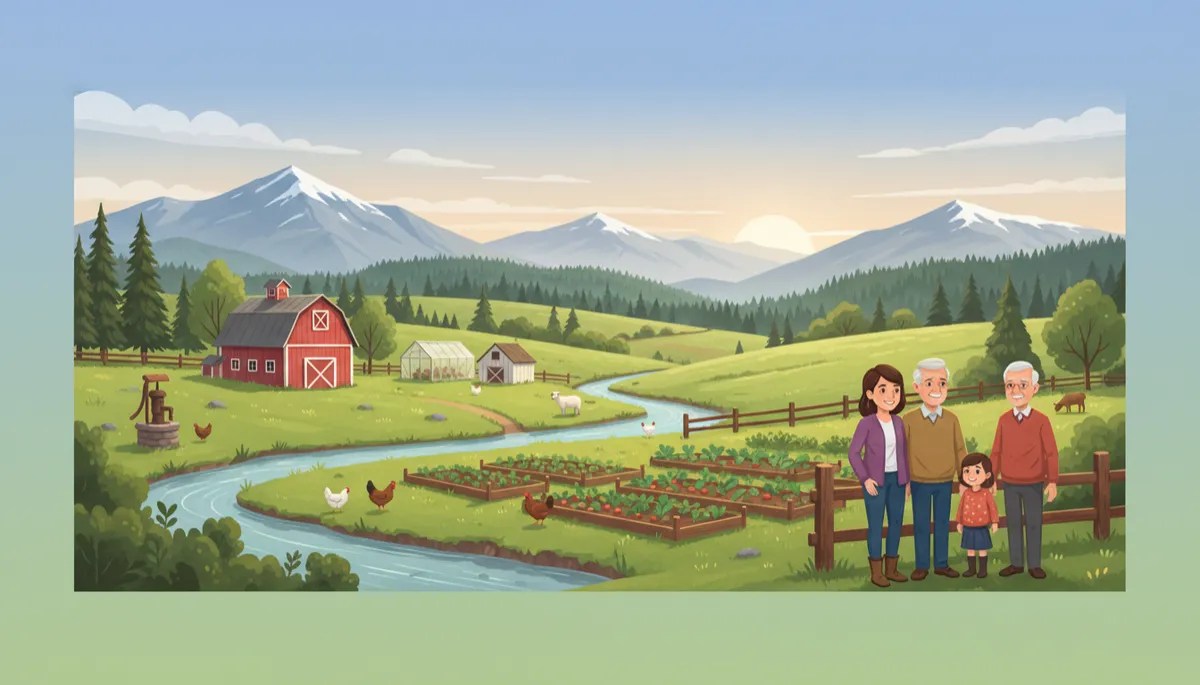
In day‑to‑day conversation, a “hobby farm” usually means a small acreage where the primary goal is lifestyle rather than full‑time commercial income. You might raise chickens, keep a few cows or horses, grow vegetables and berries, or sell the odd dozen eggs at the gate—while still relying on a pension, job, or other income source for your main living expenses.
In the South Cariboo around 100 Mile House, Lone Butte, Bridge Lake, and 70 Mile House, that often looks like 4–10 acres of usable land with a mix of pasture and garden space. Some properties, like the 4.9‑acre setup on Connie Road at Bridge Lake or the 18‑acre farm on Wilson Lake Road, are essentially turnkey hobby farms with barns, paddocks, and gardens already in place. Others, such as the 21.5‑acre parcel on Highway 97 near 70 Mile House, are more of a blank slate where you’ll be building your infrastructure over time.
From a tax and regulatory perspective, however, a “hobby farm” can tip into farm status if you meet BC Assessment’s income and use requirements. That can reduce your property taxes, but it also means you need to produce and sell a minimum amount of farm product each year. Many South Cariboo owners aim for this sweet spot: lifestyle first, with enough hay, beef, eggs, or vegetables sold to qualify for farm status and keep carrying costs down. Always confirm the current farm‑status rules directly with BC Assessment or your accountant, as thresholds and categories can change.
Zoning, ALR, and Land‑Use Basics: Do Your Homework First
Before you fall in love with a red barn or a sunny meadow, you need to know what you’re actually allowed to do on the property. In and around 100 Mile House, zoning is governed either by the District of 100 Mile House (inside town) or the Cariboo Regional District (CRD) in rural areas. Many rural properties also sit within BC’s Agricultural Land Reserve (ALR), which adds another layer of rules aimed at protecting farmland.
Under the District of 100 Mile House Zoning Bylaw No. 1466, 2026, the A‑1 Agricultural zone lists agriculture as a principal permitted use, with accessory uses like on‑site farm product processing, small‑scale retail sales, agri‑tourism, and bed and breakfasts allowed when they support the main agricultural use. In plain language, a typical hobby farm—gardens, chickens, a few animals, maybe a small farm‑gate stand—usually fits comfortably within “agriculture” and its accessory uses, as long as you respect setbacks, building rules, and any development permit areas (100milehouse.com).
Outside town limits, the CRD zoning bylaws and the Agricultural Land Commission’s ALR rules apply. The details vary by property, so it’s essential to:
Check the current zoning and whether the land is in the ALR using the CRD or provincial mapping tools.
Confirm permitted uses with the CRD Planning Department or the District of 100 Mile House Planning staff before removing conditions on a purchase.
Review the Agricultural Land Commission Act rules if the property is in the ALR, especially if you’re thinking about a second dwelling, agri‑tourism, or non‑farm uses.
💡 Pro Tip: Zoning and ALR rules change over time. Always verify current regulations directly with the regional district or municipality rather than relying on old listings or neighbour stories.
Water Sources, Wells, Licences, and Irrigation: The Lifeblood of Your Hobby Farm
In the Cariboo’s increasingly variable climate, water is one of the most important—and most overlooked—parts of a hobby farm purchase. Most South Cariboo properties rely on a combination of:
Drilled or dug wells for household and livestock water;
Surface water from lakes, creeks, or ponds, often under a provincial water licence;
Rainwater collection or dugouts for supplemental irrigation.
Under BC’s Water Sustainability Act, domestic household use from a well does not require a licence. But if you plan to use groundwater or surface water for irrigation or livestock—for example, to water a market garden or a larger herd—you generally need a water licence through FrontCounter BC (www2.gov.bc.ca). Many established farms in the region already have licences in place for irrigation, like the hydro‑powered greenhouse and irrigation system at the Connie Road property in Bridge Lake. When you’re viewing listings, always ask:
Is there a drilled well? When was it last tested for flow and potability?
Are there existing water licences for irrigation or livestock, and will they transfer on sale?
What irrigation infrastructure is on site—buried lines, hydrants, drip or sprinkler systems, pumps, storage tanks, or dugouts?
The Cariboo Regional District also manages community water systems in some areas and imposes seasonal watering restrictions, typically from May through early fall, to conserve supply (cariboord.ca). If your dream hobby farm is on a community system, you’ll need to work within those rules for outdoor watering and plan your gardens and pastures accordingly. For private wells and licences, it’s wise to use tools like the BC Agricultural Water Calculator and provincial irrigation guides to size your system and design efficient watering schedules (www2.gov.bc.ca).
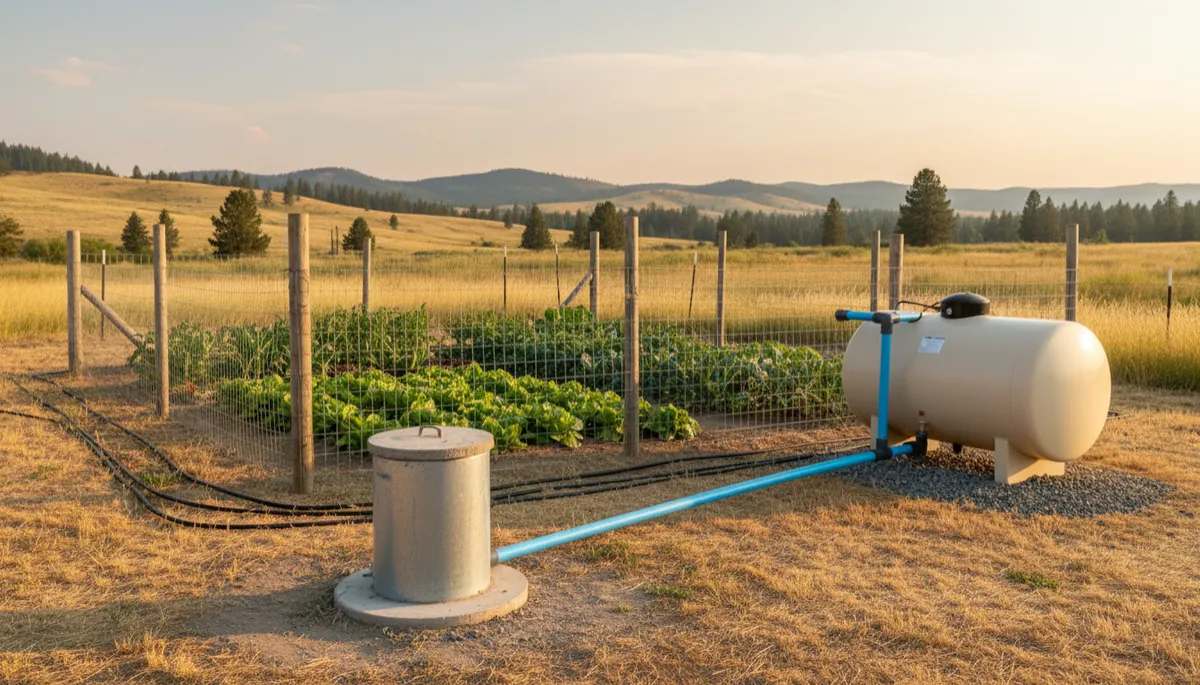
A reliable well and simple irrigation can make or break a Cariboo garden season.
Barns, Fencing, and Outbuildings: Inspect the Bones, Not Just the Charm
Cute red barns and rustic sheds photograph beautifully, but when you’re buying a hobby farm, you need to look past the patina and assess the structure. Re‑building fences or reroofing a barn can quickly eat into your budget, especially if you’re retired or moving from the city and counting on predictable costs.
Barns and shelters: Check foundations, posts, and trusses for rot, shifting, or insect damage. Look at the roof from inside on a sunny day for pinholes of light. Make sure there’s safe hay storage and adequate ventilation for animals. Properties like the 60′×33′ barn and 72′×18′ animal shelter on Wilson Lake Road are good examples of solid, purpose‑built infrastructure that can save you years of building projects.
Fencing and cross‑fencing: Walk the perimeter. Is it tight, straight, and well‑braced, or sagging and patched with baler twine? Different animals need different fencing—goats are escape artists, while cattle need strong corners and solid gates. Fully fenced and cross‑fenced properties, like the hay and horse setups around Lone Butte, can save you thousands in materials and weeks of labour.
Outbuildings: Chicken coops, greenhouses, root cellars, workshops, and woodsheds all add real value. A functioning root cellar extends your harvest into winter, and a greenhouse can help you get a jump on our short growing season. Confirm that any outbuildings meet setback and permitting requirements; if you plan to add more, check with the CRD or District about size and placement rules.
📌 Key Takeaway: On a South Cariboo hobby farm, good infrastructure is worth more than fancy finishes. Prioritize safe, dry buildings and secure fencing over cosmetic upgrades.
Growing Season Realities Around 100 Mile House
The South Cariboo’s elevation and interior climate mean you’ll enjoy four true seasons—and you’ll feel each of them on your hobby farm. Around 100 Mile House, last frost often lands in late May or early June, with first fall frost sometime in September. That gives you a relatively short outdoor growing window compared with the Lower Mainland or Vancouver Island, but with proper planning, you can still grow an impressive amount of food.
Expect to start heat‑loving crops (tomatoes, peppers, squash) indoors or in a greenhouse in late winter or early spring, then transplant once the nights warm up.
Focus your outdoor beds on cool‑season and hardy crops: potatoes, carrots, beets, peas, brassicas, leafy greens, and hardy herbs do very well here with adequate water and mulch.
Use raised beds, windbreaks, and season extension tools like row cover and low tunnels to protect against late frosts and cool nights.
For livestock, the growing season determines how much pasture and hay you can produce. A well‑managed 4–10‑acre hobby farm may support a few cow–calf pairs, a small flock of sheep or goats, and poultry, but you’ll likely still buy in some hay, especially in drought years. Larger properties, like the 40.5‑acre Grossett Road acreage with about 20 acres in hay, offer more security and flexibility if your goal is partial self‑sufficiency or farm status.
Your South Cariboo Hobby Farm Buyer Checklist
As you browse hobby farms for sale around 100 Mile House and the wider Cariboo, keep this practical checklist handy. It’s designed for families and retirees who want chickens, gardens, and small livestock without surprises.
Clarify your vision: How many animals? How big a garden? Are you aiming for farm status or purely lifestyle? Your answers determine how many acres and how much infrastructure you really need.
Confirm zoning and ALR status: Look up the property’s zoning and whether it’s in the ALR. Call the District of 100 Mile House or CRD Planning Department to verify that your plans—animals, second dwelling, farm‑gate sales—fit current rules.
Assess water security: Get well records and recent flow tests where possible. Ask about water licences for irrigation or livestock, existing pumps and storage, and any local watering restrictions or drought concerns.
Inspect barns, fencing, and outbuildings: Budget realistically for repairs. A property with solid fencing, usable barns, and a greenhouse or root cellar can save you years of work and significant expense.
Walk the land in person: Note slopes, wet spots, wind exposure, and sun patterns. Look for established pasture, shelterbelts, and potential garden sites close to water and the house.
Ask about farm status and taxes: Is the property currently assessed as a farm? If so, what production is the seller doing to maintain that status? Talk to BC Assessment or your accountant about what you’d need to continue it.
Factor in access and services: Year‑round road access, snow removal, power, internet (many South Cariboo acreages now have fibre), and proximity to 100 Mile House for supplies and medical services all matter, especially for retirees.
Why Late Winter and Spring Are Prime Time for Hobby Farm Shoppers
If you’re serious about buying a hobby farm in the South Cariboo, late winter and early spring are the seasons to be proactive. Many sellers wait until snow starts to pull back to list their acreages, and serious buyers want to be in place by early summer so they can plant gardens, set up coops, and get animals settled before winter returns. That means the best‑suited properties for families and retirees often hit the market—and go under contract—between February and June.
Because our growing season is relatively short, moving in midsummer or fall can leave you playing catch‑up: scrambling for winter hay, trying to fence before the ground freezes, and missing a full garden year. By contrast, buyers who secure their property in late winter or spring can spend that first season observing how water moves across the land, where frost lingers, and how much sun each area gets—while still getting a garden and a few animals started.
Browsing Hobby Farm Listings and Setting Alerts for Acreages & Farms
To keep on top of new opportunities, it helps to use a dedicated acreage and farm search rather than wading through every residential listing. Local real estate teams and regional sites offer search pages specifically for acreages and hobby farms in the South Cariboo, where you can filter by size, price, and features like barns, fenced pasture, or lakefront. Many also allow you to set email alerts so you’re notified the moment a new listing that matches your criteria hits the market—crucial in that busy late winter and spring window.
As you browse, compare properties like the nearly turnkey Connie Road acreage, the larger hay‑producing farms near Lone Butte and Horsefly, and the more affordable “blank canvas” parcels along Highway 97. Seeing the range helps you refine what matters most: is it move‑in‑ready infrastructure, lake access, room for horses, or simply the lowest possible purchase price so you can build slowly over time?
Bringing It All Together: A Realistic Path to Your South Cariboo Hobby Farm
Owning a hobby farm around 100 Mile House is deeply rewarding—but it’s also real work. Chickens still need feeding at 30 below, fences still need mending in blackfly season, and gardens still depend on careful watering and frost watching. The families and retirees who thrive here are the ones who go in with open eyes, a clear plan, and a property that genuinely fits their abilities and goals.
By understanding what counts as a hobby farm, checking zoning and ALR rules, securing reliable water and irrigation, carefully inspecting barns and fencing, and respecting the realities of our Cariboo growing season, you set yourself up for success. Start browsing dedicated acreage and farm listings now, set up alerts so you don’t miss new properties, and use late winter and spring to position yourself for that first full season on your own piece of South Cariboo ground—eggs, gardens, and all.