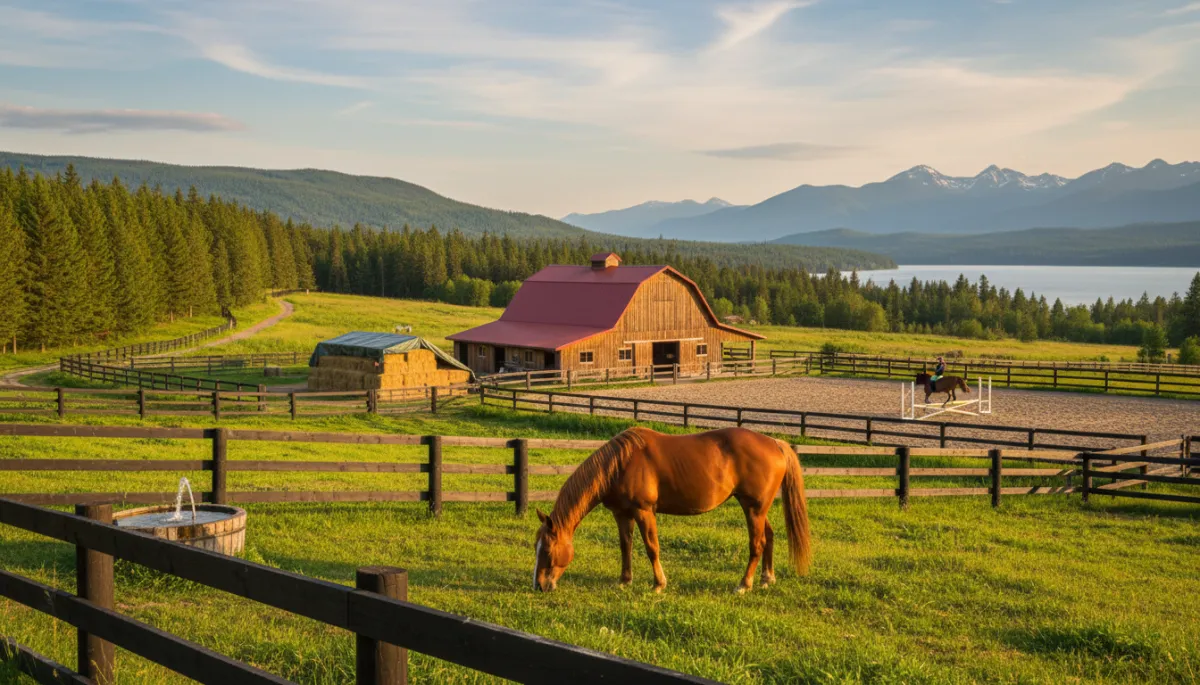
Horse Properties in South Cariboo, BC: A Buyer's Guide
Real Estate, Horse Properties, South Cariboo BC
What to Look for in a Horse Property Near 100 Mile House, BC
Shopping for horse-friendly acreage in the South Cariboo is exciting, but it also comes with a unique checklist. If you are relocating with your horses or upgrading from a hobby acreage, the right property near 100 Mile House needs to work for your animals year-round, not just look pretty in a listing. This guide walks you through a practical horse-owner checklist tailored to the South Cariboo’s climate, terrain, and current inventory of horse properties for sale.
Start with Horse-Friendly Acreage in the Right Area
The South Cariboo is known for its riding culture, rolling grasslands, and lake-dotted landscapes. Around 100 Mile House, you will find everything from compact 4–5 acre hobby properties to full-scale ranches spanning hundreds of acres. Recent listings such as 5393 Tatton Station Road (about 4 acres with a barn, arena, and paddocks) or 5548 Little Fort–24 Highway (nearly 15 acres with cross-fencing, auto waterers, and a small arena) show the range of options available. Larger operations like Drewry Lake Ranch or the ranch-scale holdings on Horse Lake Road cater to buyers needing extensive grazing and full equestrian facilities.
Before you fall in love with a view, clarify your priorities: How many horses do you have now, and how many might you own in five years? Do you compete, trail ride, or both? Do you want turnkey facilities, like the equestrian-designed acreage at Canim Lake with a 90' × 180' training ring, or are you happy to build your own arena on raw land such as the 27.65-acre Foothills Road lot? Once your wish list is clear, use the horse property listings page to see current horse-friendly listings and book a showing on properties that match your riding style and herd size.
1. Pasture Size & Quality: More Than Just Acreage
A common rule of thumb is 1.5–2 acres of decent pasture per horse, but in the South Cariboo this depends heavily on soil type, grass health, and how you manage grazing. An 18-acre property like 8262 Wilson Lake Road, with about 5.24 acres in productive hay fields, can support more horses than a similar-sized lot with rough, overgrazed ground and poor drainage.
Walk the fields. Look for a mix of grasses rather than weeds, bare patches, or excessive boggy areas. Ask when the pasture was last reseeded or fertilized.
Check topography. Gentle slopes drain better and are safer for turnout than steep hills or rocky ground common in some Cariboo areas.
Plan for rotation. Multiple paddocks or fields let you rest sections and avoid mud pits near gates and feeders, which is crucial in spring thaw.
💡 Pro tip: Ask for recent hay yields or grazing history. Properties with established hay fields can offset winter feed costs and keep your horses on familiar local forage.
2. Fencing & Shelters: Safety First for Your Herd
Fencing is one of the most expensive parts of setting up a horse property, so existing infrastructure matters. Many South Cariboo acreages are already fenced and cross-fenced, as seen at Wilson Lake Road and Summit Road in Canim Lake, where multiple horse shelters support up to eight horses. When touring properties, inspect fencing and shelters with a critical eye.
Fence type & condition. Safe options include wood rail, no-climb wire, or properly installed electric. Avoid loose barbed wire in horse areas. Look for solid posts, tight wire, and secure gates that won’t sag under snow load.
Shelter orientation. Three-sided shelters should face away from prevailing winds and provide dry footing. In the South Cariboo’s snowy winters, adequate overhang and a well-drained pad (gravel or packed screenings) keep horses comfortable and reduce mud and ice build-up.
Number of shelters. Dominant horses often guard entrances. Ideally, you need one shelter large enough for the whole herd or multiple smaller shelters, as seen on equestrian-designed acreages with several run-in sheds.
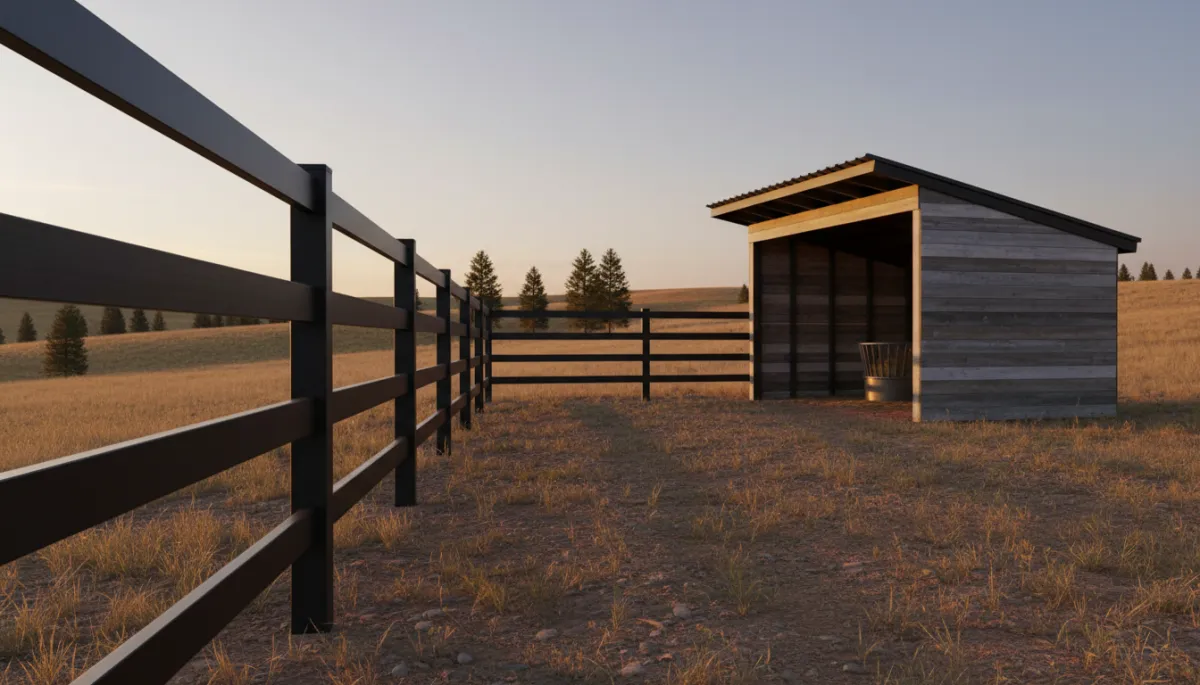
Solid fencing and well-sited shelters reduce injuries and daily chores year-round.
3. Water Access for Livestock: Year-Round Reliability
Horses drink 20–45 litres of water per day, and more in hot weather. In a region that sees both summer heat and sub-zero winters, a reliable, winter-ready water system is non-negotiable. Properties like Wilson Lake Road, with drilled wells, cisterns, and UV filtration, or Little Fort–24 Highway with auto waterers, are good examples of horse-focused infrastructure.
Source & capacity. Ask for well logs and flow rates. A strong well or combination of well and cistern is ideal when you are filling troughs, running a household, and possibly irrigating hay fields.
Winter-proofing. Check for frost-free hydrants in paddocks, insulated lines, and power access for tank heaters or heated auto waterers. Hauling buckets through snowdrifts gets old fast.
Natural water. Creek or lake frontage can be a bonus, as seen at properties backing onto 105 Mile Lake or Upper Stack Lake, but should never be the only source in winter. Ensure safe access and consider environmental regulations.
4. Hay Storage & Barn Condition: Protecting Your Feed and Horses
In the South Cariboo, you will likely feed hay for six months or more each year. That means you need enough dry, secure storage for a full winter’s supply, plus room for bedding, grain, and equipment. Many local listings feature multi-purpose shop–barn combinations, heritage-style barns, or large equestrian facilities with stalls, tack rooms, and grooming areas.
Hay storage. Look for good roof condition, sound trusses, and ventilation that prevents condensation and mold. Measure the space and estimate how many small squares or round bales it will hold. Remember you may want extra for late springs or visiting horses.
Barn safety. Check stall size, door hardware, and aisle width. Ensure there are no exposed nails, broken boards, or low beams. Well-designed barns such as those at larger ranches often include wide aisles, solid footing, and safe tie points.
Ventilation & drainage. Horses are sensitive to dust and ammonia. A good barn has windows or vents, dry floors, and a way for meltwater to drain away from entrances during spring thaw.
💡 Pro tip: Ask the seller where they currently buy hay and how much they use each winter. Local suppliers and realistic consumption numbers are invaluable when budgeting your annual costs.
5. Arena, Riding Space & Trail Access: Matching Your Riding Goals
One of the joys of living near 100 Mile House is access to miles of crown land, forestry roads, and lakeside trails. Still, having on-site riding options makes daily schooling and winter exercise far more practical. Properties like 5393 Tatton Station Road with an outdoor arena, or the large training ring at 7220 Summit Road, show how valuable built-in riding space can be for serious riders.
Arena footing & drainage. Walk the arena after rain or during spring melt. Good footing should be level, not too deep, and free of large rocks. Proper drainage prevents puddles and slippery spots that shorten your riding season.
Space to build. If there is no arena yet, look for a flat, accessible area with suitable soil where you can add one later. Raw land parcels near Horse Lake and Pegasus Road often offer ample room to design your dream layout.
Trail access. Ask where locals ride. Properties backing onto greenbelt, crown land, or quiet gravel roads give you direct access to hacking without trailering. Confirm any easements or access agreements in writing.
6. Winter Care Considerations in the South Cariboo Climate
Winters near 100 Mile House are cold and snowy, which is wonderful for sleigh rides but demanding on infrastructure. When you evaluate a horse property, picture it in January: snowbanks, icy wind, frozen water, and fewer daylight hours. The layout and features that seem like small details in summer can make or break your winter routine.
Snow management. Is there room to plow around barns, paddocks, and trailer parking? Steep driveways or tight yards can be challenging in deep snow. Check where roof snow sheds off barns and shelters so it will not block doors or crush fences.
Access to feed and water. In winter, every extra step in the dark feels longer. Ideally, hay storage, the barn, and main paddocks are clustered to minimize walking distance and reduce the time you spend carrying bales or chipping ice from troughs.
Wind breaks and shelter. Natural treelines, terrain, and building placement all affect how wind hits your property. Horses do well in cold, dry conditions if they have shelter from wind and a dry place to stand.
💡 Pro tip: When possible, visit prospective properties in late fall or early spring. You will get a realistic sense of mud, ice, and how well the property sheds water as seasons change.
Putting It All Together: Your South Cariboo Horse-Owner Checklist
Every horse property near 100 Mile House will involve compromise: one acreage may have a perfect barn but smaller pastures; another might offer expansive grazing but require you to build an arena. Use this checklist to compare options:
Adequate, healthy pasture with room for rotation and safe turnout
Safe, functional fencing and enough shelters for your herd dynamics
Reliable, winter-ready water systems for both house and livestock
Dry, secure hay storage and a barn layout that supports daily chores
On-site riding space or realistic potential to add an arena, plus convenient trail access
A layout that works in winter: plow routes, wind protection, and short, safe paths between key areas
From compact 4-acre equestrian properties with arenas and paddocks to expansive ranches with heritage barns and full indoor facilities, the South Cariboo offers a broad spectrum of horse-friendly real estate. The key is to match the property to your specific horses, riding goals, and tolerance for projects. Some buyers prefer a move-in-ready setup like Summit Road or Tatton Station Road; others are excited by the blank canvas of larger vacant parcels where they can design their ideal barn, arena, and pasture layout from scratch.
When you are ready to take the next step, explore the dedicated horse property listings page to see current horse-friendly listings across the South Cariboo and book a showing on the acreages that best fit your checklist. Walking the land, opening the barn doors, and picturing your horses in those paddocks is the most reliable way to know when you have found the right property to call home.