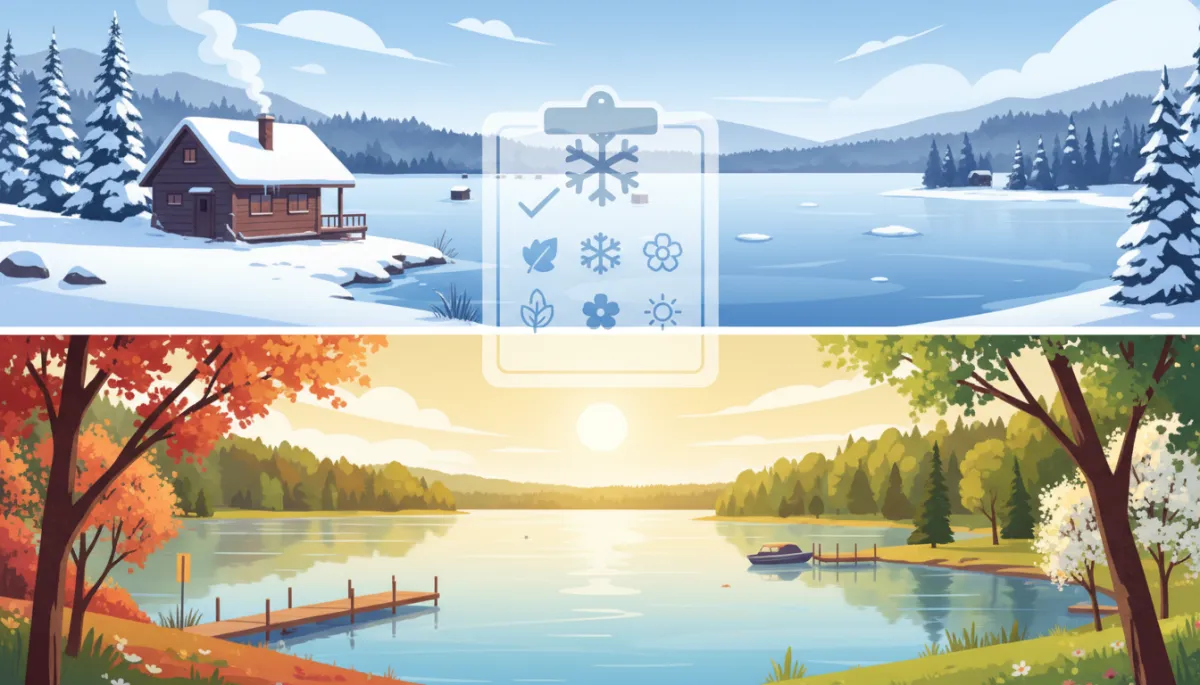
Lake Property Guide: Buy, Sell, Maintain Year-Round
Real Estate, Lake Properties, Home Maintenance
Buying, Selling, and Maintaining a Lake Property: Year-Round Winterizing Guide
Whether you’re preparing to buy, getting ready to sell, or simply want to protect your investment, a lake property in British Columbia demands thoughtful, year-round care. Use this seasonal checklist to keep your home market-ready, comfortable, and protected from the elements in every season.
The Single Most Important Task: Protect Your Plumbing from Freezing
The costliest and most common cold-weather disaster at lake properties is burst pipes. Before deep cold sets in, ensure exposed plumbing is insulated, outdoor hoses are disconnected, and any unheated spaces with plumbing (crawlspaces, under-cabin areas, pump houses) are protected from freezing. If you leave the property vacant, shut off the main water supply and properly drain lines or have the system professionally winterized.
📌 Key Takeaway: A single frozen line can damage walls, flooring, and finishes undermining both your comfort and your resale value.
Buying or Selling a Lake Property? Why Seasonal Maintenance Matters
Buyers are increasingly savvy about seasonal risks: shoreline erosion, fluctuating water levels, ice damage, and humidity-related issues like mold. A property that is clearly well-maintained docks secured, gutters clear, mechanical systems serviced signals to buyers that the home has been cared for, reducing perceived risk and supporting a stronger asking price. Conversely, a neglected shoreline, sagging dock, or musty crawlspace can become negotiating leverage for buyers or trigger costly repairs before closing.
💡 Pro Tip for Sellers: Photograph your property in each season once it’s properly maintained. These images help buyers visualize year-round enjoyment and reassure them about winter resilience.
Fall Checklist: Preparing for Cold, Wind, and Rising Water Levels
Winterize plumbing and outdoor fixtures. Drain and store garden hoses, shut off exterior hose bibs, insulate exposed pipes, and confirm heat is available in any space with plumbing if you won’t fully drain the system.
Service heating systems. Have a qualified technician inspect furnaces, boilers, or heat pumps and replace filters. For woodstoves or fireplaces, schedule a chimney cleaning and safety check before peak use.
Secure the shoreline and dock. Remove portable docks or raise adjustable ones if your lake freezes. Check fasteners, bumpers, and cleats, and remove any loose items like ladders or kayaks that could be damaged by ice or storms.
Clean gutters and downspouts. Ensure water drains away from the foundation to prevent ice dams, leaks, and erosion along the shoreline or under decks and patios.
Store outdoor furniture and equipment. Cover or move furniture, grills, and water toys into a shed or garage to reduce wear and keep decks and patios tidy for showings, even in the off-season.
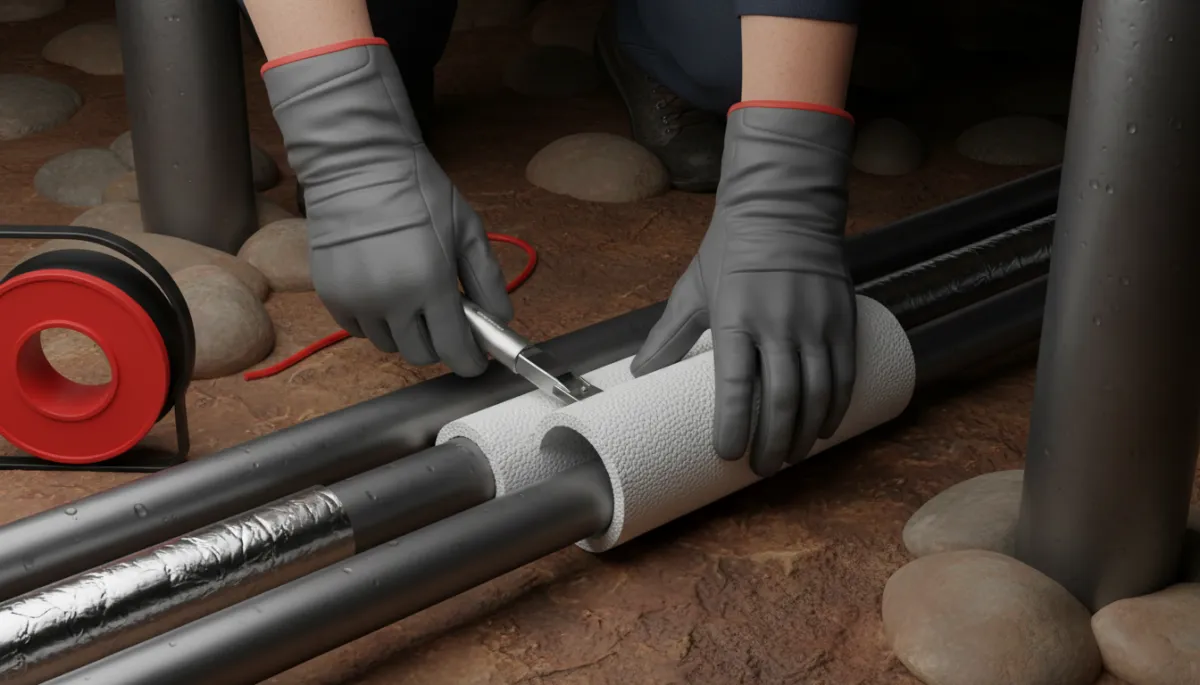
Properly insulated pipes drastically reduce the risk of costly winter water damage.
Winter Checklist: Monitoring a Vacant or Part-Time Lake Home
Set safe interior temperatures. If you’re not draining the system, keep the thermostat at a minimum temperature recommended by your HVAC professional to protect pipes in all rooms and crawlspaces.
Use smart monitoring. Install temperature and leak sensors, plus remote cameras at entry points and the shoreline. This reassures potential buyers that the property is well-managed, even when vacant.
Check roofs and structures after storms. After heavy snow or wind, have someone local confirm that snow loads, ice, or fallen branches haven’t compromised the roof, dock, or boat house.
Maintain safe access. Keep driveways and main walkways reasonably clear of snow and ice. This is important for emergency access and for winter showings if the property is on the market.
Spring Checklist: Thaw, Inspect, and Repair
Inspect for winter damage. Walk the shoreline, dock, and exterior for heaving, erosion, loose boards, or shifted footings. Address structural issues early to keep insurance and buyers onside.
Check plumbing and mechanical systems. Turn water back on gradually, watching for leaks. Test pumps, water heaters, and filtration systems, especially if you draw water from the lake or a well.
Refresh exterior finishes. Power-wash siding and decks, touch up paint, and re-stain high-wear areas. A clean, sharp exterior boosts curb appeal for spring buyers and protects the building envelope.
Service septic and drainage. Have septic systems inspected and pumped on schedule, and clear drainage ditches or swales so spring runoff doesn’t pool under the structure or near the shoreline.
Summer Checklist: Enjoyment, Safety, and Future Resale Value
Stay ahead on vegetation and fire safety. Keep brush, dry grass, and low branches trimmed, particularly in wildfire-prone regions. Maintain a defensible space around the home and clear debris from roofs and gutters.
Inspect and label safety equipment. Confirm lifejackets, throw rings, and ladders are in good condition and easily accessible. Test smoke and CO alarms, especially in homes with propane or wood heat.
Document upgrades and maintenance. Keep receipts, inspection reports, and photos of work completed. When you decide to sell, this record helps demonstrate responsible stewardship of the property.
BC-Specific Freeze-Protection Guidance and Utility Tips
In British Columbia, lakeside homes often experience sharp temperature swings and cold snaps. Regional utilities such as FortisBC regularly publish guidance on preventing frozen pipes and safely operating gas or electric heating systems in winter conditions. Their recommendations typically include insulating pipes in unheated spaces, sealing air leaks around sill plates and crawlspaces, maintaining safe clearances around gas equipment, and knowing how to safely shut off gas or power in an emergency. Before each winter, review current advice from FortisBC or your local utility and confirm that any gas appliances at the property are installed and serviced by licensed professionals.
⚠️ Warning: Never use open-flame devices or unapproved space heaters to thaw frozen pipes. Follow regional utility safety guidelines and call a qualified plumber if you suspect a freeze.
Year-Round Mindset: Protecting Lifestyle and Long-Term Value
A lake property is both a retreat and a significant asset. By following a clear, seasonal checklist prioritizing freeze protection, shoreline and dock care, and regular mechanical maintenance you make the home more enjoyable to live in today and more attractive to buyers tomorrow. Consistent, documented upkeep is one of the most powerful ways to preserve and enhance the value of your lakeside investment year after year.
Ready to Talk About Your Lake Property?
For questions about buying, selling, or maintaining a lake property, reach out anytime:
Email:amandaoldfield@gmail.com
Phone:(250) 318-5202