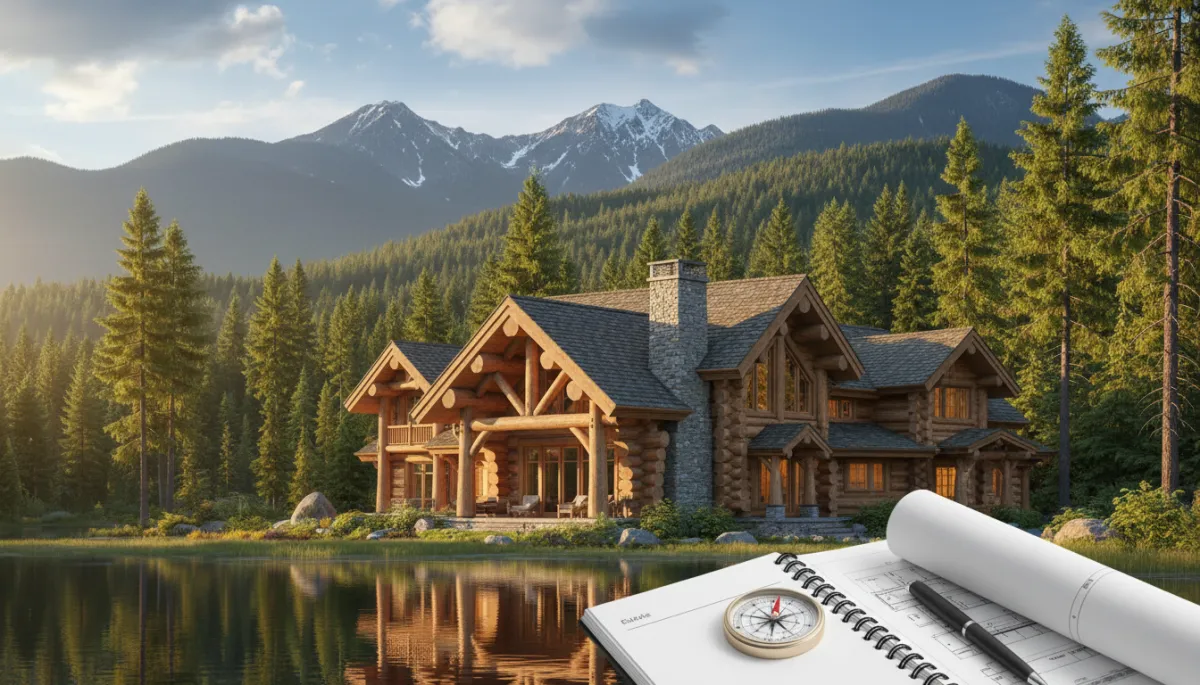
Log Homes & Timber Cabins in BC: Buying Guide
Real Estate, Log Homes, Timber Frame Cabins, British Columbia
Log Homes and Timber Frame Cabins in BC: What to Know Before You Buy
Dreaming of a log home or timber frame cabin tucked into the trees in British Columbia? Before you fall in love with the view, it pays to understand how these character properties differ from conventional homes in design, maintenance, insurance, and financing.
Log Homes in BC: A Practical Buying Guide
A true log home uses stacked, visible logs as both structure and exterior finish. In BC, that can mean anything from a rustic off‑grid cabin to a luxury, fully engineered residence. Because the logs themselves are the structure, due diligence is critical.
1. Construction quality and age of the logs
Ask who built the home and whether it was engineered, permitted, and inspected under the BC Building Code. Look for:
Signs of rot, checking (cracks), or insect damage at log ends and near grade
Proper overhangs and drainage to keep water off the walls
Documentation of any major restoration or refinishing work
2. Settling, movement, and energy performance
Log walls can settle over time as the wood dries and compresses. Well‑designed homes incorporate adjustable posts and slip joints around windows and doors. Ask your inspector to check for:
Doors or windows that stick or have uneven gaps
Gaps in chinking or sealant that could lead to drafts and heat loss
For newer homes, ask about energy ratings or whether the design meets current BC Building Code envelope requirements, including the 2024–2025 updates for better performance in mass‑timber and wood structures.
3. Location, access, and services
Many log homes in BC are rural or recreational. Lenders and insurers pay close attention to:
Year‑round road access and snow clearing
Water source and septic approvals
Wildfire, flood, and slope stability risks
💡 Pro Tip: Hire an inspector or engineer who has specific experience with log construction. A standard home inspection may not be enough.
Timber Frame Cabins in BC: Buying Guide Essentials
A timber frame home uses large structural timbers connected with engineered joinery, while the walls are usually framed and insulated separately. You still get exposed beams and wood character, but with more flexibility in how the building envelope is insulated and finished.
1. Code compliance and engineering
Timber frame cabins must meet the BC Building Code, including the 2024 revisions for seismic and mass‑timber design. For newer builds, ask for:
Building permits and final occupancy certificate
Letters of Assurance (Schedules A, B, and C‑A/C‑B) from the engineer or architect, as required by the Province of BC
2. Warranty and builder credentials
Most new residential timber frame homes built by licensed builders must carry 2‑5‑10 home warranty insurance in BC (2 years materials and labour, 5 years building envelope, 10 years structural) according to BC Housing guidelines. Confirm:
Whether the home is still within its warranty period and which insurer provides the coverage
That any additions or renovations were also permitted and, where required, enrolled in warranty
3. Envelope, insulation, and comfort
Timber frame homes can achieve excellent energy performance because the structural frame and insulated wall system are separate. When viewing a property, ask about:
Wall and roof insulation levels (R‑values) and air‑tightness details
Window quality, glazing type, and solar orientation

Detailed inspections of structure, envelope, and finishes help buyers avoid costly surprises.
Financing Log and Timber Frame Homes in BC: Key Differences
While BC’s new Mortgage Services Act (coming into force October 13, 2026) modernizes how mortgages are regulated, it does not set special rules for log or timber frame homes. In practice, however, many lenders treat these as non‑standard properties, which can affect your financing options.
How financing can differ from conventional homes
Stricter underwriting: Lenders may require specialized appraisals and more documentation about construction, permits, and insurance coverage.
Higher down payments: Especially for rural, seasonal, or off‑grid properties, expect larger down payments than for a typical city home.
Fewer mainstream lenders: You may need a mortgage broker to access credit unions, alternative lenders, or private mortgage investors familiar with log and timber frame construction.
For new builds, construction or “draw” mortgages are common, with funds advanced in stages. CMHC‑insured products may be available if the home is a year‑round dwelling on a permanent foundation and meets access and occupancy criteria, but each lender applies its own policies and risk tolerance.
📌 Important: Lender criteria for log and timber frame homes are not standardized. Always confirm current requirements for down payment, property type, and location with a BC‑licensed mortgage broker or lender before relying on any general guidance.
Insurance for Log and Timber Frame Homes: What’s Different?
In BC, log and timber frame homes fall under the same overall insurance laws as conventional houses, including statutory conditions under the Insurance Act. However, insurers may assess them differently due to construction type, rural locations, and wildfire exposure.
Some insurers require guaranteed replacement cost or may insist on specific fire‑safety features, especially in high‑risk wildfire zones.
Coverage for earthquake, overland flood, and wildfire‑related costs is often optional and must be added explicitly, according to BC government guidance.
Remote cabins or homes with wood‑burning stoves can be harder or more expensive to insure, and some insurers may decline coverage altogether based on anecdotal owner reports.
⚠️ Always verify: Insurer appetite for log and timber frame homes, wildfire and earthquake coverage, and any location‑specific exclusions can change quickly. Confirm current policy terms with a licensed insurance broker before you remove conditions on a purchase.
FAQ: Maintenance for Log Homes and Timber Frame Cabins
How often do log homes need to be stained or sealed?
Many owners budget for exterior cleaning and re‑staining every 3–7 years, depending on climate, exposure, and product used. South‑ and west‑facing walls usually need attention sooner. Regular maintenance protects against UV damage, moisture, and insects.
Are timber frame cabins easier to maintain than full log homes?
Often, yes. Because the structural timbers are typically inside and the exterior walls are conventionally framed and clad, maintenance can be similar to a standard home paint or siding instead of exposed logs. However, you still need to monitor exposed beams, decks, and any wood elements for weathering and movement.
What routine checks should owners perform?
Inspect caulking, chinking, and weatherstripping annually for gaps or cracking.
Keep vegetation, soil, and snow away from lower logs and wood siding.
Check roof, gutters, and downspouts to ensure water drains well away from the structure.
FAQ: Insurance for Log and Timber Frame Homes vs Conventional Construction
Is it harder to insure a log or timber frame home in BC?
It can be. Some mainstream insurers treat log and timber frame homes especially in rural or wildfire‑prone areas—as higher risk. You may face:
Fewer insurers willing to quote
Higher premiums or deductibles
Conditions around wood stoves, distance to fire services, or water supply
Do I need special coverage for a timber frame cabin?
Not usually a “special” policy, but you should confirm:
That your dwelling limit reflects current rebuild costs for mass‑timber or specialty construction.
Whether wildfire, earthquake, and flood are included or must be added as endorsements, as recommended by BC emergency management resources.
Why do insurers care about permits and warranty?
Proper permits, BC Building Code compliance, and home warranty coverage (for newer homes) give insurers more confidence in the structural integrity and reduce the likelihood of defects. That can make coverage easier to secure and, in some cases, more affordable.
FAQ: Financing Differences vs Conventional Homes
Do all lenders finance log and timber frame homes?
No. Some banks and credit unions avoid non‑standard or rural properties, while others will lend but with tighter conditions. You may need to work with:
A construction or draw mortgage for new builds, with staged advances tied to inspections.
Alternative or private lenders for remote, seasonal, or off‑grid cabins, often at higher rates and lower loan‑to‑value ratios.
Are down payment requirements different from a standard house?
They can be. While CMHC‑insured mortgages may allow low down payments for qualifying primary or second homes, many lenders ask for 20–25% or more on custom log homes, rural properties, or homes viewed as higher risk. Exact requirements vary by lender and are subject to change.
What should I verify with my lender and insurer before I buy?
That your chosen lender will finance the specific property type, location, and services (year‑round or seasonal, off‑grid, shared roads, etc.).
Minimum down payment, appraisal requirements, and whether specialty insurance is needed for approval.
Current insurer policies on log and timber frame construction, wildfire and earthquake coverage, and any regional underwriting restrictions.
✔ Verification reminder: Lender and insurer criteria for log and timber frame homes in BC are policy‑driven and can change without notice. Before publishing or relying on any information, confirm details directly with current lenders, mortgage brokers, and insurance providers active in your target region.
Final Thoughts: Go In With Eyes Wide Open
A log home or timber frame cabin in BC can offer warmth, character, and a deep connection to the landscape. With that charm comes extra responsibility: more specialized maintenance, potentially tighter insurance and financing criteria, and the need for knowledgeable professionals on your side. By doing thorough due diligence and confirming current lender and insurer policies you can enjoy the lifestyle you’re dreaming about with fewer surprises after you move in.