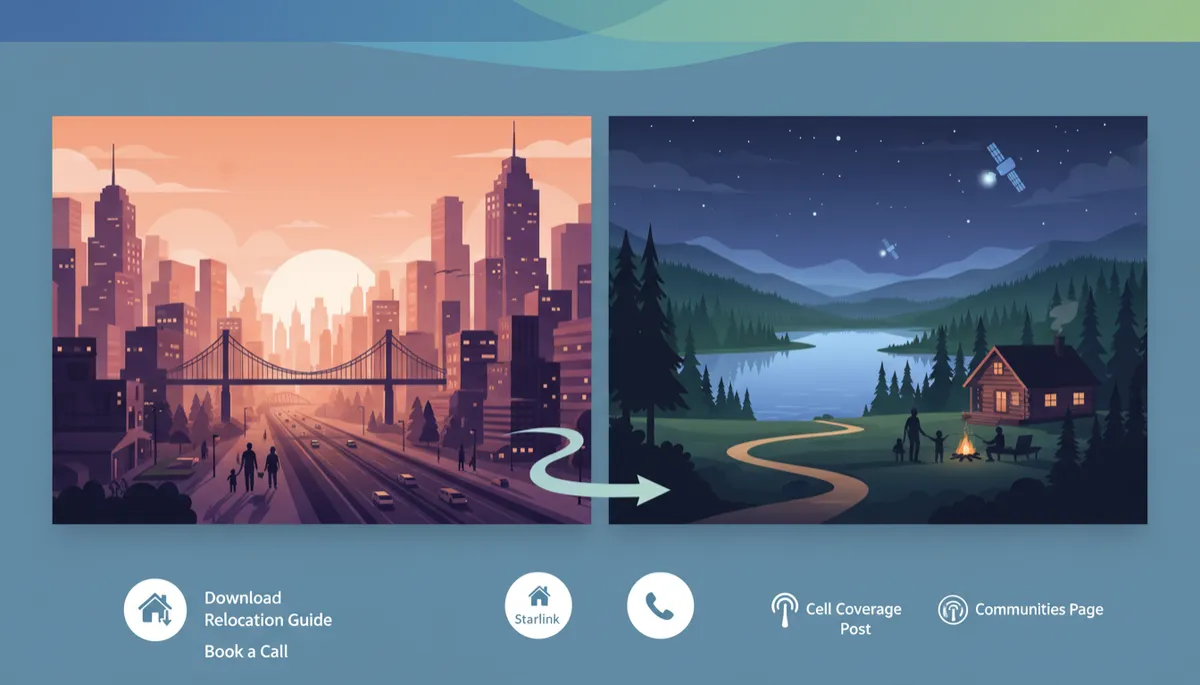
Cost of Moving to 100 Mile House from Lower Mainland
Relocation, Cost of Living, 100 Mile House BC
Moving from the Lower Mainland to 100 Mile House: What It Really Costs
Thinking about trading Lower Mainland traffic and sky‑high housing costs for a quieter, more affordable life in 100 Mile House? This guide walks families, remote workers, and retirees through a realistic, numbers‑based comparison so you can decide if the move makes sense for you.
1. Home Prices: What Your Budget Really Buys
For most Lower Mainland buyers, housing is the game‑changer. Detached homes in Metro Vancouver routinely sit well above the $1.5 million mark, putting ownership out of reach for many families and retirees on fixed incomes.
In 100 Mile House, recent data paints a very different picture. Year‑to‑date through September 2026, the average sale price for a detached home is about $525,971 (BC Northern Real Estate Board). Median asking prices for current listings often hover around $450,000–$550,000, depending on size, condition, and acreage.
Around $450,000 can buy a comfortable 3‑bedroom home in town, often with a yard and garage.
In the $550,000–$650,000 range, you may find small acreages, workshop space, or lake‑adjacent properties that would be unattainable for the same budget in most Lower Mainland suburbs.
Put simply, a typical townhouse budget in Langley or Coquitlam can translate into a detached home with elbow room in 100 Mile House. That’s why the largest out‑of‑area buyer group is increasingly Lower Mainland families and remote workers looking for more space and less financial pressure.
2. Everyday Costs & Services: Where You Save (and Where You Don’t)
Housing is only part of the story. Overall, a single person in 100 Mile House spends about $2,260/month on living costs, compared with roughly $2,684/month in Vancouver (citycost.org). That’s a savings of around $5,000 per year and the gap widens for families when you factor in larger rental or mortgage payments in the city.
Rent: A 1‑bedroom apartment is roughly $774–$801 in 100 Mile House versus about $2,139 in Metro Vancouver nearly 2.7× higher in the city.
Groceries: Essentials like milk, rice, and beef are typically 10–29% cheaper than in Vancouver, according to cost‑of‑living comparisons.
Dining & entertainment: Eating out and local activities are slightly cheaper, helping your discretionary budget stretch further.
One surprise for many relocating buyers: utilities and internet can run higher in 100 Mile House. Plan for around $232/month versus roughly $170 in Vancouver. Even so, the substantial savings on housing and rent usually dwarf these added costs, especially for homeowners coming from the Lower Mainland.
3. Healthcare, Schools & Everyday Amenities
For families and retirees, access to services can make or break a relocation decision. 100 Mile House is a rural hub, so you won’t find big‑city choice but you do have core services close to home.
The 100 Mile District General Hospital, part of Interior Health, offers emergency care, inpatient and outpatient services, surgery, maternity, chemotherapy, diagnostics, and allied health supports such as physiotherapy and nutrition counselling (Interior Health). Several medical clinics and pharmacies serve the community, along with long‑term care facilities and home‑care programs for seniors.
It’s important, however, to be realistic: the emergency department has faced intermittent temporary closures due to staffing shortages, with some patients redirected to Williams Lake (about an hour away). A multi‑partner task force is working on long‑term solutions, including virtual physician support and recruitment incentives, but if you have complex medical needs, factor this into your planning.
Schools in the area (part of School District 27) offer small‑town class sizes, school buses, and strong community involvement. For everyday life, you’ll find grocery stores, hardware and building supplies, restaurants, banks, fitness options, and seasonal farmers’ markets. For big‑box shopping, specialist medical visits, or major events, most locals plan periodic trips to Williams Lake or Kamloops.

Daily errands shift from big-box chaos to a slower, small-town main street rhythm.
4. Internet & Remote Work: Can You Really Work from Here?
Remote workers are one of the fastest‑growing buyer groups in 100 Mile House. If your income depends on a stable connection, you’ll want to dig deeper than a simple “yes, we have internet” answer.
In town, traditional providers offer wired connections suitable for video calls, cloud tools, and most professional work. On acreages or lake properties, coverage can be more patchy but options have expanded dramatically with Starlink and improved LTE coverage. To help you evaluate specific neighbourhoods and rural pockets, explore our detailed posts:
Starlink for 100 Mile House & Area – how satellite internet performs for Zoom, VPNs, and streaming.
Cell Coverage by Neighbourhood – where major carriers are strong, weak, or require boosters.
If you’re a remote worker, digital consultant, or run an online business, download our Relocation & Connectivity Guide for a checklist of questions to ask providers before you write an offer on a property.
5. Lifestyle Trade‑offs: What You Gain and What You Give Up
Moving from the Lower Mainland to 100 Mile House isn’t just a financial decision it’s a lifestyle reset. For many families and retirees, the gains are substantial:
Space & quiet: Larger yards, access to lakes and trails, less noise, and darker night skies.
Community feel: You’re more likely to know your neighbours, your kids’ teachers, and the person who makes your coffee.
Outdoor lifestyle: Fishing, sledding, cross‑country skiing, hunting, hiking, and lake days are all close by.
On the flip side, you’ll trade away some big‑city advantages. There are fewer restaurants, no rapid‑transit system, and limited access to certain specialists or cultural events. Winter driving can be more demanding, and kids may have fewer extracurricular options than in Burnaby or Surrey. For some, that’s a deal‑breaker; for others, it’s a welcome simplification.
📌 Key Takeaway: The families, remote professionals, and retirees who thrive here are those who value space, affordability, and community more than big‑city convenience and constant choice.
6. Your Next Steps to Relocate with Confidence
If you’re seriously considering a move from the Lower Mainland, you don’t have to figure it all out alone. Here’s how to move from “maybe one day” to a clear, realistic plan:
Download the 100 Mile House Relocation Guide. Get a detailed cost‑of‑living breakdown, school and healthcare overview, moving checklist, and questions to ask before listing your current home.
Explore local neighbourhoods. Visit our Communities page for an at‑a‑glance look at in‑town, lakefront, and rural areas, including typical price ranges and lifestyle notes.
Check connectivity for your exact work needs. Review our dedicated Starlink and Cell Coverage posts, then verify service options for any short‑listed properties.
Book a no‑pressure call. Walk through your numbers, timing, and must‑haves with a local real‑estate professional who regularly works with Lower Mainland buyers. Together, you can map out whether to rent first, buy right away, or stage a gradual move.
💡 Pro Tip: Many families and retirees use the equity from a Lower Mainland home to purchase in 100 Mile House mortgage‑free and still have funds left for renovations, toys, or travel. Your numbers may surprise you once you compare markets side by side.
Ready to see if 100 Mile House is the right fit for your family, remote career, or retirement plans? Download the Relocation Guide to run your own cost comparison, then book a call to talk through your options with someone who knows both the local market and the realities of moving from the Lower Mainland.