Moving to South Cariboo: Lifestyle & Cost Changes
Real Estate, Relocation, British Columbia
Moving from Vancouver to the South Cariboo: What Really Changes?
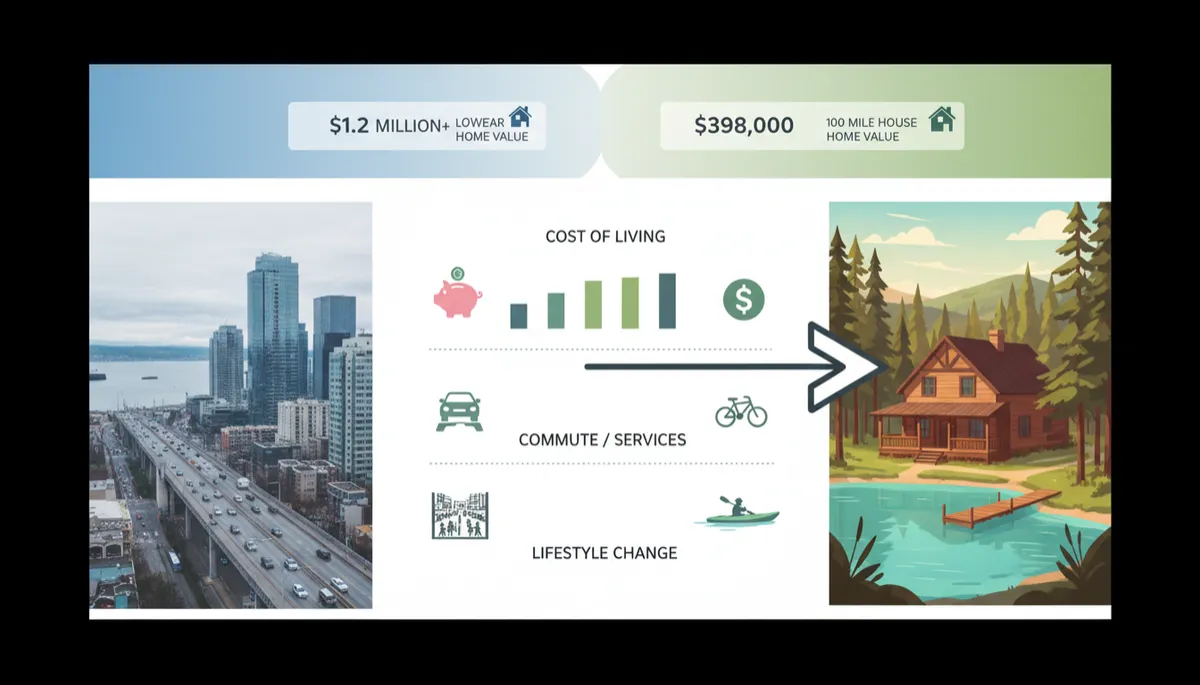
Thinking about trading Lower Mainland traffic and tower cranes for big skies and lakes around 100 Mile House and the South Cariboo? This comparison walks through the biggest adjustment you’ll face, plus cost of living, commute and services, lifestyle shifts, and how a typical $398,000 assessed home in 100 Mile House stacks up against Lower Mainland benchmarks.
The Biggest Adjustment: Space and Pace, All at Once
The single biggest adjustment when relocating from Vancouver or the broader Lower Mainland to the South Cariboo is the shift in pace of life combined with the sheer amount of physical space you suddenly gain. Housing, roads, even the horizon feel bigger, while daily life runs on a slower, more relationship‑driven rhythm.
In the Lower Mainland, your schedule is often built around traffic patterns, transit timetables, and dense urban amenities. In 100 Mile House and surrounding South Cariboo communities, you’ll likely plan around weather, road conditions, and small‑town opening hours instead. For many newcomers, that combination of quiet and distance is exhilarating but it can also feel isolating until new routines and social circles take root.
📌 Key Takeaway: Expect less noise, less rush, and far more room physically and mentally. The trade‑off is fewer on‑demand services and more planning ahead.
Cost of Living: How Far Your Dollar Really Goes
Overall, day‑to‑day life is markedly more affordable in the South Cariboo than in the Lower Mainland, and housing is the biggest driver of that difference. In Metro Vancouver, a single renter typically needs about $3,200–$3,500 per month to cover basic costs including rent, with many people easily crossing the $4,000 mark depending on location and lifestyle. Sources like Notchup and other cost‑of‑living guides consistently rank Vancouver among Canada’s priciest cities, with housing often eating up 65–70% of the household budget.
By contrast, using nearby Quesnel as a representative South Cariboo market, a single person’s total monthly costs including rent sit closer to $2,400–$2,500, roughly 30–40% less than in Vancouver. Groceries, utilities, and transport can be similar or slightly higher on a per‑unit basis, but the much lower housing costs and cheaper childcare more than offset those differences for most households.
Housing: 100 Mile House vs. Lower Mainland Benchmarks
According to BC Assessment’s 2026 property assessment update, the typical assessed value for a single‑family home in 100 Mile House is $398,000, essentially flat year‑over‑year from $397,000 a 0% change as of July 1, 2025 (info.bcassessment.ca). That assessed value is used for property tax purposes and tends to lag behind actual sale prices, which recent real estate board data place higher, but it’s still a useful anchor for comparison.
In the Lower Mainland, the story is very different. Greater Vancouver REALTORS® report a composite benchmark price of roughly $1.03–$1.10 million across the region in mid‑2026, with many core municipalities well above that level. BC Assessment’s own 2026 release for the Lower Mainland notes most residential values have eased by 0% to –10% year‑over‑year, yet even after that softening, typical detached homes in many communities still sit in the $1.0–$1.5 million range.
Put simply, that $398,000 assessed home in 100 Mile House is roughly one‑third the value of a typical Lower Mainland property, based on current benchmark and assessment data from BC Assessment and regional real estate boards. For a Vancouver seller, it often means being able to purchase a home in the South Cariboo mortgage‑free or with a much smaller loan, freeing up cash flow for savings, travel, or earlier retirement.
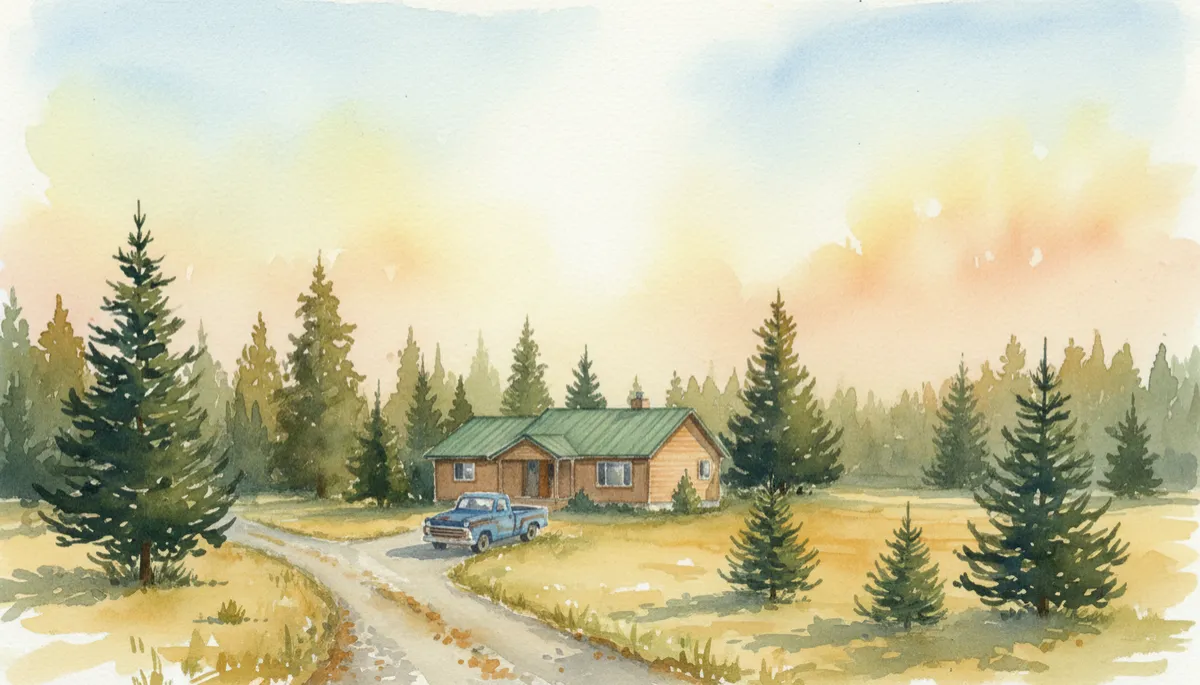
Typical South Cariboo homes offer large lots at a fraction of Lower Mainland prices.
Commute and Services: From SkyTrain to Snow Tires
If you’re used to SkyTrain, express buses, and app‑based everything, the South Cariboo will feel like stepping back a decade sometimes in a good way, sometimes not. In the Lower Mainland, public transit passes around $140 a month can connect you across multiple cities. Commutes are often long in distance but rich in options, from bike lanes to rapid transit.
In and around 100 Mile House, you’ll likely rely on a personal vehicle. Distances between home, work, and services are shorter in kilometres, but there’s little to no rapid transit, winter driving is a reality, and many households budget for a reliable vehicle, snow tires, and fuel rather than monthly transit passes. That can feel liberating no more packed trains but also means planning around road conditions and travel time to regional hubs like Williams Lake or Kamloops for specialized services or big‑box shopping.
Everyday Services and Amenities
You’ll find the essentials in 100 Mile House groceries, pharmacies, hardware stores, cafes, and restaurants along with schools, a hospital, and community recreation. What you won’t find is the same depth of choice you’re used to in Burnaby, Surrey, or Vancouver: fewer specialty clinics, fewer late‑night dining options, and fewer niche services like boutique fitness studios or international grocers. Many residents adjust by doing larger, less frequent shopping trips, ordering more online, and making occasional “city runs” for specific needs.
💡 Pro Tip: Before you move, map out your must‑have services healthcare, schools, internet providers and confirm what’s available locally versus in regional centres.
Lifestyle Change: From Urban Convenience to Outdoor Living
The lifestyle shift is where the South Cariboo really shines. Instead of squeezing in a seawall walk between meetings, you might step out your back door to snowshoe, mountain bike, or paddle. Lakes, trails, and forests are minutes away, and many residents build their weeks around seasonal outdoor activities fishing, camping, sledding, and cabin weekends are part of the local culture rather than rare getaways.
Social life looks different too. In the Lower Mainland, it’s easy to blend into the crowd; in 100 Mile House, you’ll quickly recognize faces at the grocery store, post office, or arena. Community events, school sports, and volunteer groups carry more weight than big‑city nightlife. If you value anonymity and endless entertainment options, this can feel like a sacrifice. If you’re craving community and calm, it’s often the biggest reward of the move.
Putting It All Together: Is the Move Worth It?
Relocating from Vancouver or the Lower Mainland to the South Cariboo is less about giving things up and more about trading one set of advantages for another. You’ll swap transit passes for snow tires, late‑night takeout for early‑morning lake views, and million‑dollar benchmarks for a typical $398,000 assessed home (BC Assessment) that offers space, privacy, and financial breathing room.
If you’re prepared for the biggest adjustment the slower, more spacious rhythm of small‑town life and you’re ready to plan a bit more around services and travel, the South Cariboo can turn Lower Mainland real estate equity into a more relaxed, outdoor‑oriented lifestyle with a significantly lower monthly cost of living.