Retire in 100 Mile House: A Senior's Paradise
100 Mile House, Retirement Destination, Small Towns BC, Senior Living, Healthcare Services, Cariboo Region
Is 100 Mile House a Good Place to Retire?
Yes, 100 Mile House can be an excellent retirement destination for many seniors especially if you value a quiet lifestyle, access to nature, and a community where older adults are already a central part of daily life. Around 34% of residents are 65 or older, and the area is supported by the South Cariboo Health Centre and the 100 Mile District General Hospital, giving retirees a strong foundation of healthcare services in the Cariboo Region (Sources: Wahi Housing Market Report, Jul. 2026; Interior Health; BC Stats).
A Community Already Shaped by Retirement Living
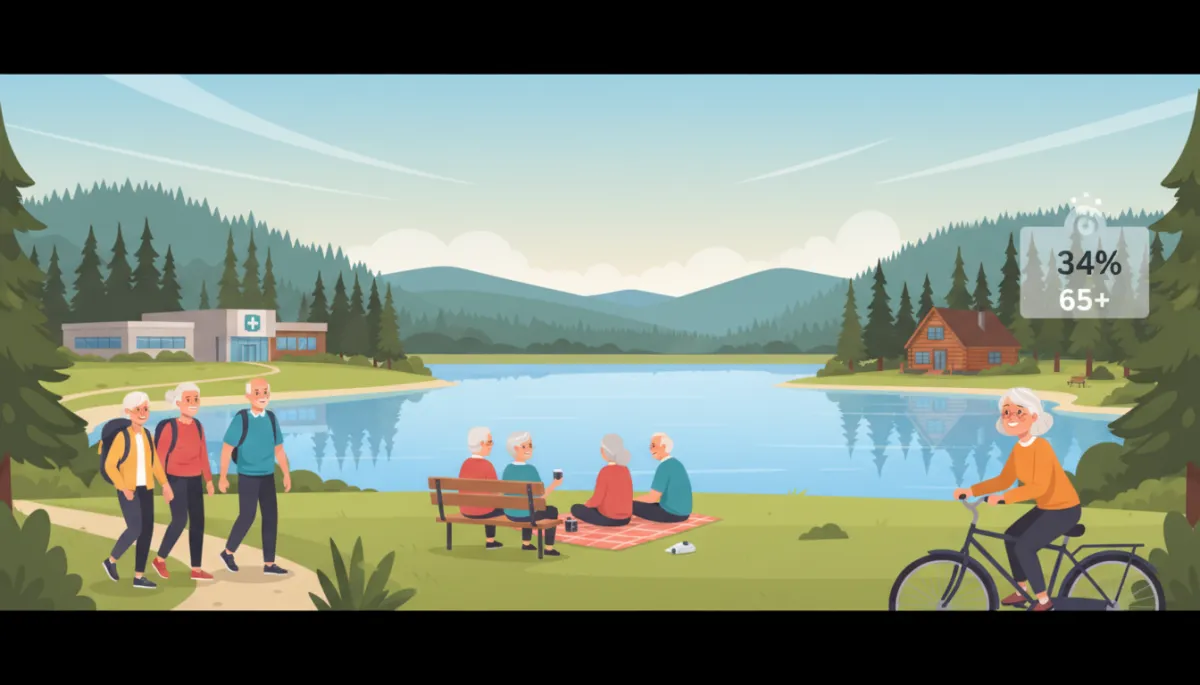
One of the strongest indicators that 100 Mile House is a promising place to retire is its age profile. According to BC Stats’ community profile, about 34% of residents are already 65+. In other words, more than one in three people you meet is likely to be in a similar life stage, thinking about the same things you are: health, comfort, community, and quality of life in retirement.
For many retirees, that matters. In some parts of Small Towns BC, you might feel like the only person not rushing to work or school drop-off. In 100 Mile House, older adults are already a core part of the social fabric. This tends to translate into:
More senior-focused programs at community centres and local organizations
Local businesses familiar with the needs of Senior Living (accessibility, delivery, quieter hours)
A social circle that’s easier to build, because many people are also newcomers or recent retirees
Healthcare Services: What Retirees Can Expect
When you’re choosing a retirement destination, healthcare is often the deciding factor. In 100 Mile House, care is delivered through a network that includes:
100 Mile District General Hospital – a 16-bed rural hospital offering emergency, inpatient, and outpatient services, including 24/7 emergency care, radiology, and lab services (Interior Health).
The South Cariboo Health Centre providing public health and community-based services such as immunizations, early-years support, chronic disease management, and health promotion programs.
Multiple family practice clinics, nurse practitioners, and the Central Interior Rural Primary Care Network, which help coordinate primary care across the Cariboo Region.
Like many rural communities in BC, 100 Mile House has faced occasional short-term emergency department disruptions due to staffing. However, Interior Health and local partners have formed a task force to stabilize services, explore virtual physician support, and invest in infrastructure upgrades. For retirees, this means a community that is not only served by existing facilities, but also actively working to strengthen long-term access to healthcare services.
💡 Pro Tip: Before moving, ask your current doctor for a summary of your medical history and medications, and contact clinics in 100 Mile House to understand wait times for new patients.
Lifestyle: Quiet, Outdoorsy, and Community-Oriented
If your ideal retirement involves traffic jams and big-city nightlife, 100 Mile House may not be your best fit. But if you picture your days shaped by lakes, forests, and friendly neighbours, this Cariboo Region community deserves a close look.
The town is surrounded by hundreds of lakes and extensive trail networks. In practical terms, that means easy access to:
Gentle walking paths and nature trails suitable for different mobility levels
Fishing, birdwatching, and photography opportunities just a short drive from town
Seasonal activities like cross-country skiing or snowshoeing if you enjoy winter

Local programs help retirees stay active, social, and engaged year-round.
Community centres, churches, and service clubs often host social events, fitness classes, and volunteer opportunities tailored to older adults. Because 100 Mile House is smaller than major urban centres, it’s common to see familiar faces at the grocery store, pharmacy, or coffee shop something many retirees find reassuring and grounding.
Cost of Living and Housing for Senior Living
While exact housing prices fluctuate, 100 Mile House has traditionally offered more affordable real estate than large BC cities. For retirees leaving Vancouver, Victoria, or the Lower Mainland, that can mean the ability to:
Downsize into a smaller, low-maintenance home and free up equity for retirement income
Consider properties with single-level living and accessibility features
Explore local independent or assisted living options as your needs change
The Wahi Housing Market Report (Jul. 2026) highlights the area as a value-oriented market compared with many parts of BC. That said, retirees should still budget carefully for heating (given the Cariboo winters), transportation, and travel to larger centres for specialized medical appointments when needed.
💡 Planning Tip: Ask your real estate professional about snow removal, home insulation, and proximity to services when evaluating properties in 100 Mile House.
Potential Drawbacks to Consider
No retirement destination is perfect, and 100 Mile House won’t be right for everyone. Before you commit, think carefully about these factors:
Rural setting: While charming, it means longer travel times for specialized healthcare, major shopping, or cultural events in larger cities like Kamloops or Prince George.
Winter conditions: Snow and cold temperatures can be challenging if you have mobility issues or prefer mild climates.
Healthcare capacity: Although the South Cariboo Health Centre and hospital serve the community, recruitment and staffing are ongoing priorities, as in many rural areas.
The key is to decide whether the benefits affordability, sense of community, and natural surroundings outweigh these trade-offs for your personal situation.
How to Decide if 100 Mile House Is the Right Retirement Destination for You
If you’re seriously considering 100 Mile House, try treating it like a “test drive” for your next chapter. Here are a few practical steps:
Visit in different seasons. Experience both summer and winter to see how you feel about the climate and pace of life year-round.
Book appointments with local professionals. Speak with a real estate agent familiar with Senior Living needs, and, if possible, connect with a local financial planner and healthcare providers.
Talk to residents. Ask other retirees why they chose 100 Mile House, what they love, and what they wish they had known before moving.
Suggested Next Reads on Retirement in BC
If you’re comparing options across Small Towns BC and the wider Cariboo Region, these previously published articles can help you explore further:
“Small Towns BC: 7 Underrated Retirement Destinations Beyond the Coast” – A side-by-side look at cost of living, amenities, and healthcare in several interior communities.
“Healthcare Services in the Cariboo Region: What Retirees Should Know” – A deeper dive into hospitals, clinics, and specialist access in and around 100 Mile House.
“Designing a Safe and Comfortable Home for Senior Living in Rural BC” – Practical tips on home layouts, accessibility features, and seasonal maintenance.
Call to Action: Take the Next Step Toward Your Ideal Retirement
Choosing where to spend your retirement years is one of the most personal decisions you’ll make. If the idea of a tight-knit community, strong senior presence, and access to nature resonates with you, 100 Mile House deserves a place on your shortlist. With 34% of residents already 65+ and the support of the South Cariboo Health Centre and local hospital, this Cariboo Region town offers many of the ingredients for a fulfilling, grounded retirement.
Ready to explore whether 100 Mile House fits your retirement plans? Start by mapping out your must-haves budget, healthcare access, social life, and climate and then compare them against what this community offers. Reach out to local professionals, schedule a visit, and use our other retirement planning articles to guide your thinking. The sooner you begin, the more options you’ll have to shape a retirement that truly feels like home.