Guide: Multiple Offers on Rural Properties
Real Estate, Rural Property, Multiple Offers
Buying/Selling Guide: What Happens When a Rural Property Gets Multiple Offers?
Multiple offers aren’t just a big-city story. Even in slower rural markets like 100 Mile House, BC, the right property can still draw a crowd. Here’s how those situations work, why some homes get all the attention, and what July 2026 data tells us about days on market and buyer competition.
Multiple Offers: Rural vs. Urban at a Glance
In major urban centres, multiple offers are often driven by sheer volume of buyers and chronic undersupply. Well-located condos and detached homes can receive offers within hours of hitting the market, with buyers routinely bidding above list price and waiving conditions just to stay competitive.
In a slower rural market like 100 Mile House, the pattern is different. Overall demand is lower, inventory is higher, and the average home takes longer to sell. BC Northern Real Estate Board data shows homes in the broader Cariboo region averaging around 49–68 days on market through mid‑2026, with a balanced sales‑to‑active‑listings ratio of roughly 18–20% (bcnreb.bc.ca). That’s a far cry from the “sell in a weekend” pace many urban buyers are used to.
Yet multiple offers do still happen in rural areas. The key difference is this: in cities, competition can feel almost automatic for anything half‑decent; in rural markets, competition is concentrated on standout listings that are sharply priced and move‑in ready. Instead of every listing getting ten offers, a handful of “best in class” homes attract most of the serious buyer activity.
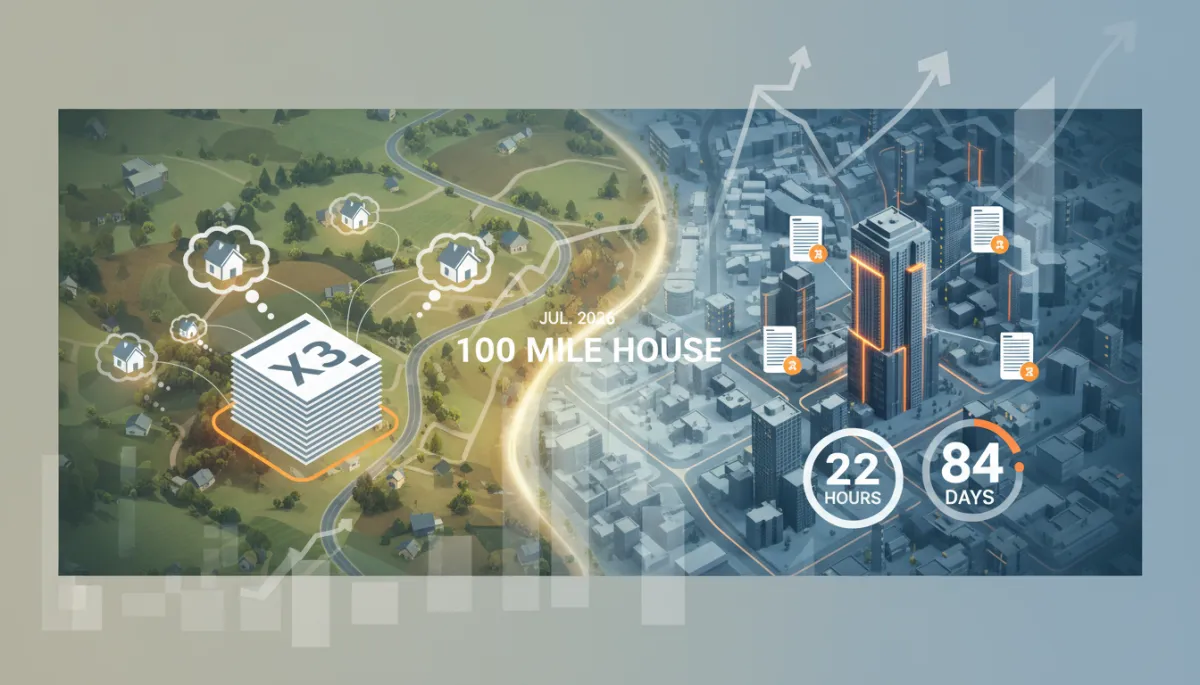
What the 22‑Hour to 84‑Day Spread Means in 100 Mile House
Looking at July 2026 sales and listing activity in 100 Mile House, agents reported a striking spread in days on market: some properties sold in as little as 22 hours, while others sat for up to 84 days before finding a buyer. That wide range tells you a lot about how multiple‑offer situations emerge in a rural setting.
At one end of the spectrum, you have listings that linger. Higher‑priced rural homes such as 5548 Little Fort 24 Highway ($949,000, 4 bed/3 bath) and 7435 Little Fort 24 Highway ($990,000, 5 bed/3 bath) appeal to a narrower buyer pool. In a balanced market with rising inventory (over 500 active listings in the wider area by mid‑2026, according to bcnreb.bc.ca), it’s not unusual for these homes to approach or exceed that 84‑day mark without attracting competing bids.
At the other end are properties that line up perfectly with what rural buyers want right now: affordability, livability, and minimal work. Think of in‑town and near‑town homes such as 229 Elm Avenue ($399,900, 5 bed/2 bath), 260 Dogwood Avenue ($364,000, 3 bed/1 bath), or a tidy starter like 848 Scott Road ($274,900, 3 bed/1 bath). When these are priced in line with recent sales and show well, they’re the ones likely to sell in under a day and trigger multiple offers.
📌 Key Takeaway: In 100 Mile House, the 22‑hour sales are almost always well‑priced, move‑in‑ready homes. The 84‑day listings are typically either overpriced for the current market or need significant work.
Why Well‑Priced, Move‑In‑Ready Listings Attract Multiple Offers
July 2026 inventory in 100 Mile House ranged from a modest condo at 9 – 375 Horse Lake Road ($145,000, 2 bed/1 bath) to nearly million‑dollar acreages like 7025 Elefson Road ($799,000, 5 bed/5 bath) and 7566 Bridge Lake Business Route ($599,000, 2 bed/1 bath, 4.2‑acre waterfront). With such variety, buyers quickly learn to recognize value within each price band.
In a balanced rural market, most buyers aren’t chasing speculative gains; they’re looking for a home they can enjoy without a renovation marathon. That makes move‑in‑ready condition a powerful advantage. Fresh paint, updated mechanicals, clean inspections, and functional layouts all reduce perceived risk, encouraging more buyers to write offers quickly instead of “waiting to see what happens.”
Pricing is just as critical. With median detached prices in the Cariboo hovering around $523,000–$560,000 in mid‑2026 (bcnreb.bc.ca, creastats.crea.ca) and 100 Mile House assessed values relatively flat around $398,000 (BC Assessment 2026), buyers have plenty of recent data. A tidy family home on Elm, Dogwood or Birch Avenue that’s listed close to comparable sales say in the $364,000–$499,900 range seen for 260 Dogwood, 240 Dogwood, and 404 N Birch Avenue stands out as fair value. That’s exactly the type of listing that can quietly gather three or four offers within the first day or two.
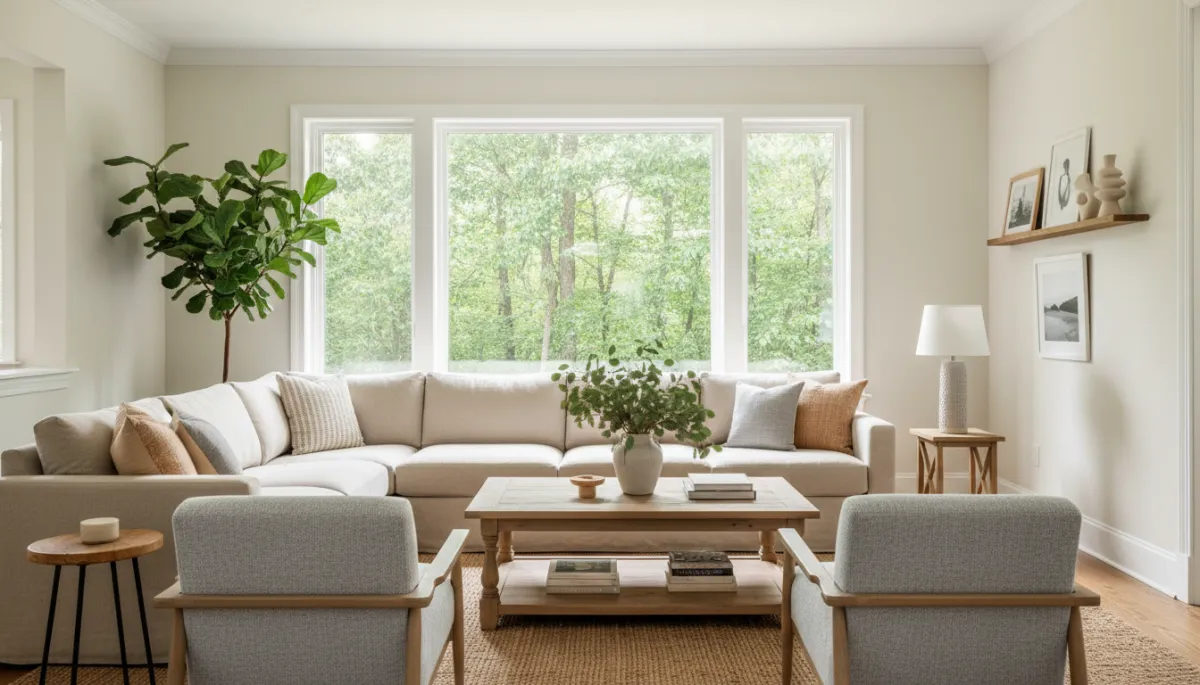
Neutral decor, cleanliness and small upgrades often separate multiple‑offer homes from long‑sitting listings.
How Multiple Offers Actually Play Out in a Rural Market
The mechanics of multiple offers in 100 Mile House look similar to urban markets, but the tone is usually calmer. A seller of a desirable home perhaps a well‑kept in‑town property like 240 Dogwood Avenue ($498,500, 4 bed/2 bath) or a nicely updated rural home on 4310 Kokanee Road ($499,000, 3 bed/2 bath)—might receive two to four offers rather than ten or twenty. Offers often still include conditions for financing and inspection, though timelines may be tighter when buyers know they’re competing.
Sellers typically work with their agent to:
Set an offer deadline once interest becomes clear (for example, “all offers by 5 p.m. tomorrow”).
Review price and terms deposit size, closing date, and conditions can matter as much as the top number.
Decide whether to accept the best offer, counter one buyer, or invite everyone to improve their bids once.
For buyers, the strategy is more nuanced than in a red‑hot city. Because not every listing is competitive, you don’t necessarily need to overpay. But when you’re pursuing a 22‑hour‑type listing the rare home that checks every box you should be prepared to:
View the property as soon as it hits the market.
Have financing pre‑approved and deposit funds ready.
Work with your agent to set a strong but realistic price, based on July 2026 comparables in your segment whether that’s starter homes under $400,000 or acreage properties in the $700,000–$900,000 range.
Final Thoughts: Reading the Rural Market Correctly
The July 2026 data for 100 Mile House paints a clear picture. This is a balanced, slower‑moving rural market overall, with average days on market running into the multi‑week range and plenty of choice for buyers. But within that, there’s a sharp divide: well‑priced, move‑in‑ready homes can still sell in under a day and attract multiple offers, while dated or overpriced listings may sit for months.
If you’re selling in 100 Mile House, your goal is to be in that 22‑hour category: price strategically based on current comparables, invest in presentation, and be ready to manage competing offers fairly. If you’re buying, don’t assume rural means “no competition” but do use the slower average pace and 22‑hour to 84‑day spread to your advantage, so you know when to move fast and when you can afford to negotiate.