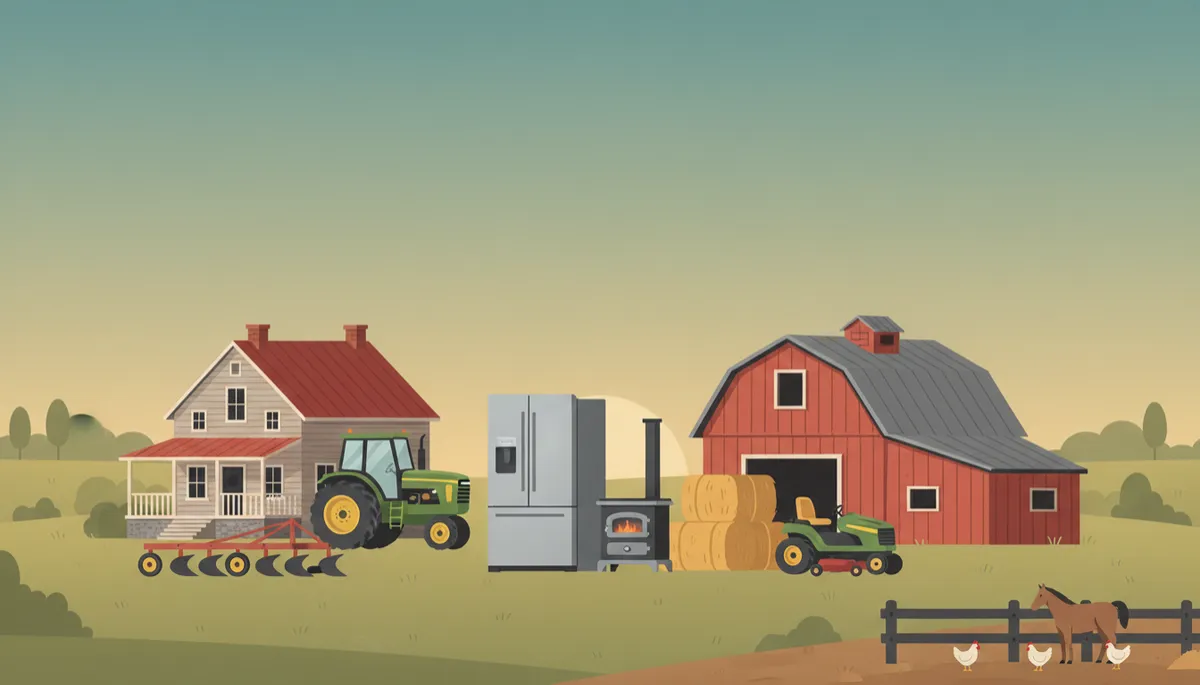
Rural Property Sales: What's Included?
Real Estate, Rural Property Sales
What’s Included in a Rural Property Sale? Appliances, Equipment and More
Buying or selling a rural property is very different from a typical suburban home sale. Beyond the house itself, there may be water systems, sheds, tractors, pumps and even livestock to consider. Understanding what is and isn’t included in the sale helps everyone avoid surprises on settlement day.
1. What’s Typically Included in a Rural Property Sale?
In real estate, anything that is fixed to the land or buildings is usually included in the sale unless it is specifically excluded in the contract. These are often called “fixtures”. Items that are not fixed known as “chattels” are only included if they are clearly listed as part of the agreement between buyer and seller. Rural properties simply have more of both, which makes clarity even more important.
Common fixtures on rural properties can include:
Permanent fencing, gates and cattle yards attached to the ground
Sheds, stables, carports and other permanent structures
Fixed water infrastructure such as tanks, troughs, pumps and irrigation lines
Fixed solar systems, generators and power infrastructure
📌 Key Takeaway: If a buyer expects to use it to run the property on day one, it should be discussed and either included or excluded in writing.
2. Appliances: What Stays With the House?
Inside the farmhouse, the same general rules apply as in a suburban home. Built-in or hard-wired appliances are normally included, while freestanding items are negotiable. Because many rural homes double as working hubs, it is vital to walk through and confirm each item with your agent or solicitor.
Usually included: built-in ovens, cooktops, rangehoods, dishwashers fixed into cabinetry, hard-wired air conditioning units, fixed heaters and ceiling fans.
Usually excluded unless listed: freestanding fridges and freezers, microwaves, portable heaters, washing machines and dryers, and small appliances like toasters or kettles.
Rural buyers should also pay attention to appliances in external buildings – for example, fridges in shearing sheds, chest freezers in garages or extra stoves in workers’ quarters. If they are important to how you plan to use the property, make sure they are specifically written into the contract of sale.
3. Equipment: Tractors, Tools and Farm Machinery
One of the biggest questions in a rural sale is what happens to the farm equipment. Unlike fixed infrastructure, most machinery is considered personal property and is not automatically included in the sale. However, sellers often choose to offer a package of equipment, especially if they are retiring or moving away from farming.
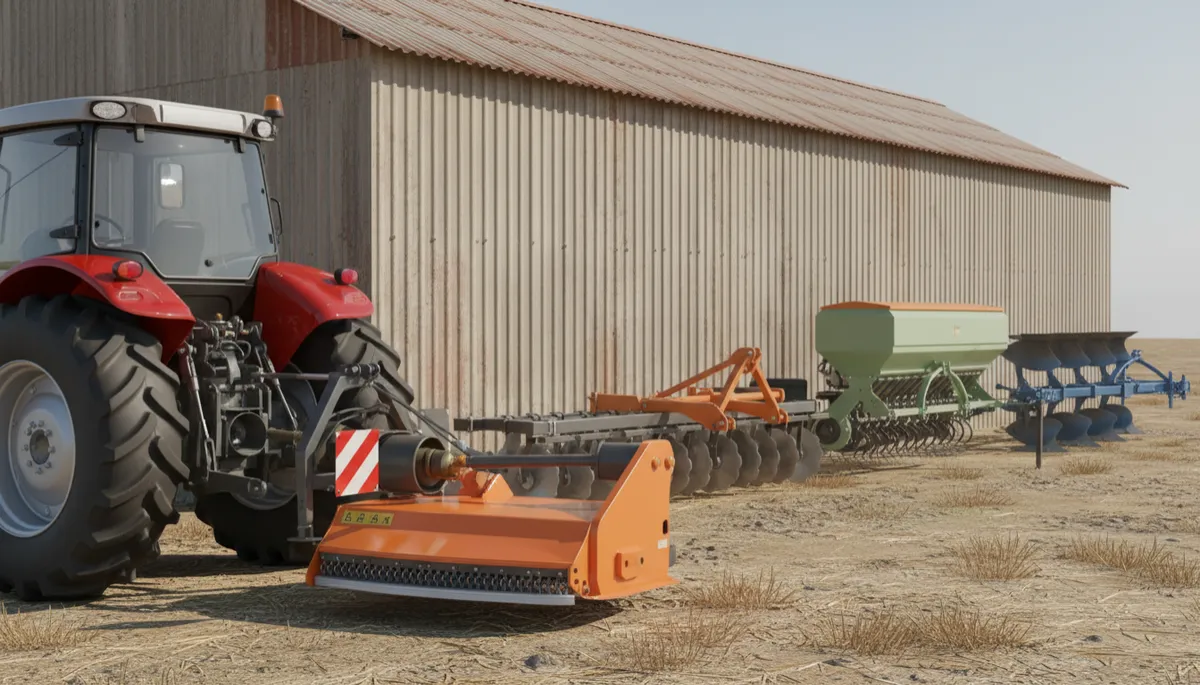
Listing included machinery up front helps buyers understand the property’s true value.
Commonly negotiated items: tractors, quad bikes, ride-on mowers, slashers, seeders, ploughs, spray units, trailers and workshop tools.
Check ownership and condition: confirm that any equipment included is owned outright (not leased or under finance) and request service histories where possible.
💡 Pro Tip: Ask for a separate schedule listing each piece of equipment, including make, model, year and agreed condition, and attach it to the contract.
4. “More”: Water Rights, Livestock and Other Extras
Beyond appliances and machinery, rural properties often come with other valuable assets – and obligations. These can significantly affect both the price and how you operate the property, so they deserve close attention before signing anything.
Water rights and licences: In many regions, rights to use surface or groundwater are separate from the land title. Confirm exactly what water allocations, licences or shares are being transferred and what approvals are required.
Livestock and crops: Stock and growing crops are usually sold by separate negotiation, sometimes at valuation close to settlement. Clarify whether any animals, hay, grain or standing crops are included and how they will be priced.
Feed, chemicals and supplies: Fertilisers, chemicals, fuel and stored feed may also be purchased in addition to the land. A detailed inventory will help avoid disputes later.
Contracts and obligations: Existing agistment arrangements, share-farming agreements or leases might continue after settlement unless they are brought to an end. Seek legal advice to understand what you are taking on.
Bringing It All Together Before You Sign
A rural property sale can involve far more than a house and a few sheds. From built-in appliances to tractors, water licences and livestock, every item has value – and each needs to be clearly dealt with in the contract. Buyers should walk through the property with the listing agent, make a detailed list of what they expect to stay, and have their solicitor or conveyancer ensure it is properly documented. Sellers, meanwhile, can attract serious interest by clearly spelling out what is included, what is excluded and what can be purchased separately.
When in doubt, remember the golden rule of rural transactions: if it matters to you, put it in writing. That simple step can protect both parties and set the scene for a smooth handover of your new rural lifestyle or farming enterprise.