
Sell Your Cariboo Cabin: Fall vs Spring Guide
Real Estate, Cariboo Cabins, Selling Strategy
Sell Your Cariboo Cabin in Fall or Wait for Spring? A Seller’s Guide for South Cariboo Owners
Wondering if you should list your South Cariboo cabin this fall or hold out until spring? This in‑depth guide breaks down market trends, seasonal pros and cons, and money implications so you can decide when to sell with confidence.
The Big Question: When Is the Best Time to Sell a Cabin in BC’s Cariboo?
For most recreational owners in the Cariboo, the decision to sell is driven by a mix of lifestyle and financial factors: changing family needs, rising carrying costs, or a desire to unlock equity for other goals. The “best time” to sell a cabin in BC is not just about chasing the highest possible price; it is about aligning market conditions, your motivation, and your timing so the sale actually happens on terms that work for you.
Province‑wide, traditional wisdom and national data suggest that spring and early summer see the most buyer activity for residential real estate, thanks to better weather and families wanting to move before the next school year. Realtor.com and Canadian market summaries consistently point to March through June as peak listing months for houses across the country. In the South Cariboo, where many properties are recreational or semi‑rural, this pattern holds but with some important twists that matter specifically for cabins and lake homes.
Snapshot of the Cariboo Market in Fall 2026: Balanced, Not Booming
Before comparing seasons, it helps to understand where the market sits right now. As of fall 2026, the broader region covered by the BC Northern Real Estate Board (BCNREB) which includes the Cariboo is showing:
Modest price growth: The MLS® composite benchmark price is around $439,300, up about 1.1% year‑over‑year, with average sale prices in September reaching a record ~$475,000 (CREA stats).
Balanced supply: Months of inventory sit near 5.8 slightly above the long‑term average, suggesting a market that is neither strongly tilted to buyers nor sellers.
Stable but softer sales: Year‑to‑date volumes across the region are just below 2025 levels, with 100 Mile House in particular seeing fewer transactions than the previous year.
In the 100 Mile House sub‑region often a stand‑in for the South Cariboo median single‑family prices are sitting just under $495,000, with average days on market around 63. Williams Lake is similar, hovering near $496,500 for single‑family homes. Forecasts from Central 1 and other economic bodies expect slow, steady appreciation through 2027–2028 rather than big price spikes, while CMHC calls for subdued activity nationally in 2026 with a gradual recovery later.
In short, we are in a period of “uncertainty, not extremes”: prices are holding, inventory is reasonable, and buyers are more selective. That backdrop matters when you are deciding whether to list your cabin now or wait until spring.
The Fall Real Estate Market in South Cariboo: Fewer Listings, More Serious Buyers
Fall in the South Cariboo is a shoulder season. The summer crowd has packed up, but ski and snowmobile season has not fully kicked in. For real estate, that creates a unique dynamic that can quietly favour sellers who are ready to move before winter sets in.
Fewer Listings on the Market
Most recreational owners still think in terms of “list in spring, sell in summer.” As a result, fall inventory for cabins and lakefront properties is typically thinner than in May or June. Even though overall active listings in the BCNREB region are up slightly year‑over‑year, the mix tends to shift: many sellers who did not get their summer price simply take their property off the market before winter. If you list in September or October, you may be competing with fewer similar cabins in your price range and on your lake.
Motivated Buyers in the Fall Market
The buyers who are still active in the South Cariboo in September through November are often high‑intent shoppers rather than casual browsers. Many have:
Sold another property and are under pressure to reinvest or relocate
Been searching all summer and are now ready to act before winter travel becomes harder
Specific recreational goals like having a base for sledding, ice fishing, or cross‑country skiing this winter
Research on seller intent and buyer behaviour in slower seasons shows that while there may be fewer people house‑hunting, the ones who are out there tend to be more committed. They have already done their homework, lined up financing, and are prepared to negotiate efficiently. For you as a seller, that can translate into cleaner offers and fewer “tire‑kickers.”
Pricing in the Fall: Less Competition, Not Fire‑Sale Territory
Because the broader Cariboo market is balanced and prices have been inching up average sale prices in the region rose about 2–3% year‑over‑year there is no compelling data suggesting you must discount heavily to sell in fall. Instead, think of fall pricing as:
Realistic and data‑driven, anchored to recent cabin and lakefront sales rather than peak summer wish‑prices
Strategic, using slightly sharper pricing to stand out in search results when buyer numbers are lower but intent is higher
💡 Pro Tip: Ask your agent for a fall‑specific comparative market analysis (CMA) focused on cabin and recreational sales from late August through November, not just spring and summer data.
The Spring Market: More Buyers, but Also More Competition
Spring in the South Cariboo brings longer days, easier driving conditions, and a surge of people day‑dreaming about summer at the lake. As national and BC‑wide data show, spring and early summer are still the busiest seasons for real estate transactions, and the South Cariboo is no exception especially for recreational cabins and acreage.
The Upside of Listing in Spring
More active buyers: Warmer weather, easier travel from the Lower Mainland or Alberta, and tax refunds in hand all contribute to higher buyer traffic between March and June.
Cabins show beautifully: Open water, green lawns, and sunny decks help buyers emotionally connect with the lifestyle you are selling.
Broader marketing opportunities: Open houses, drone footage over clear lakes, and boat‑access showings are all easier when the snow is gone.
The Downside: You Are Not the Only One with This Plan
The same logic that draws you to spring also attracts your neighbours. Historically, new listings spike in spring across BC, and the 2026 data show active listings in the BCNREB region climbing above both five‑ and ten‑year averages. For cabins, that means:
Buyers have more to choose from, which can dilute attention on your property unless it is priced and presented exceptionally well.
You may end up in direct competition with very similar cabins on the same lake or road, pushing some sellers into price reductions by early summer if they have not received offers.
In a balanced market like the Cariboo’s, spring can certainly deliver strong results but it does not guarantee a higher sale price than fall. Instead, it tends to offer more showings and potentially faster offers if you are well‑positioned against the competition.
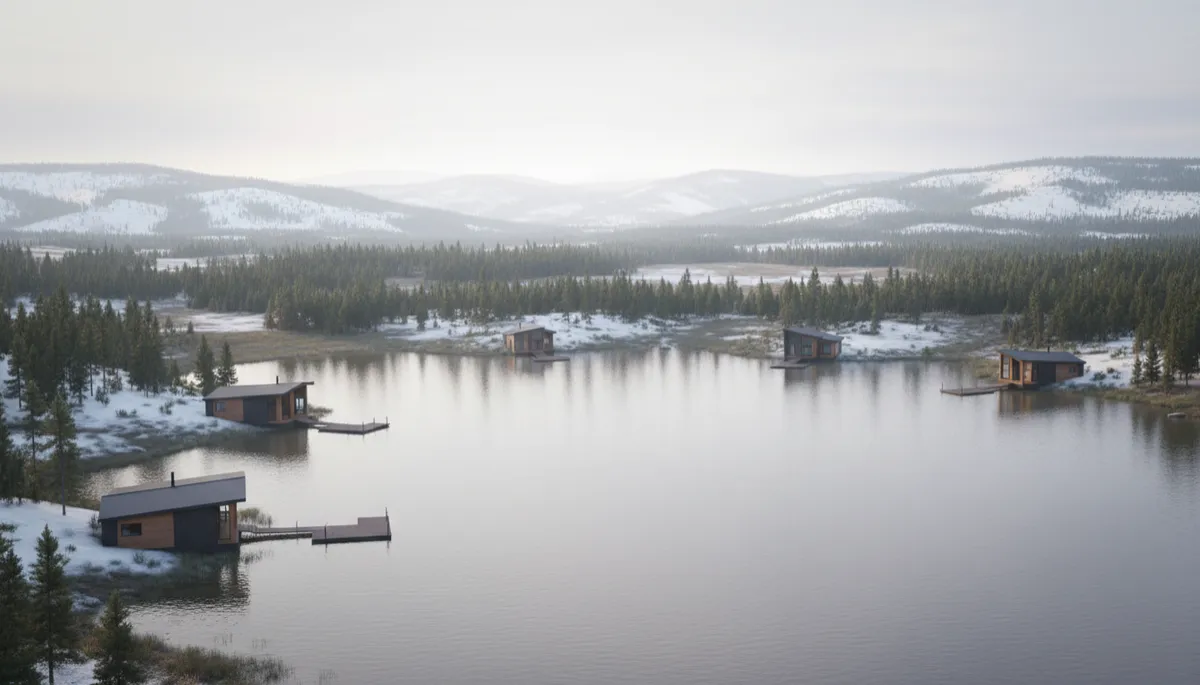
Spring brings more buyers to the Cariboo—but also more competing cabin listings.
Showing a Cabin in the Snow: Challenge or Opportunity?
Many owners hesitate to list in late fall or winter because they worry that showing a cabin in snow will turn buyers off. In reality, it depends on the type of buyer you are targeting and how you prepare the property.
For year‑round recreation buyers snowmobilers, ice fishers, cross‑country skiers seeing the cabin in winter is actually a plus. They can assess road access, parking, and how well the property functions in cold weather.
For summer‑only buyers, snow can make it harder to visualize beaches, docks, and yard size. Here, strong summer photos, video, and clear lot diagrams become essential.
If you do list into late fall or early winter, plan ahead so showings are safe and inviting:
Keep driveways and walkways plowed and sanded.
Warm the cabin before showings, light the woodstove safely, and use cozy lighting to highlight interior features.
Display a photo book or digital slideshow of the property in summer so buyers can picture the shoreline, yard, and outdoor living areas.
💡 Pro Tip: If you are thinking of a fall or winter sale, capture high‑quality summer photos before the leaves drop or the first snowfall.
The Hidden Cost of Waiting: Carrying Costs Over Winter
One of the biggest arguments for listing in fall instead of waiting for spring is financial, not emotional. Every month you hold your cabin, you are paying carrying costs even if you barely use it in winter. These often include:
Property taxes and, in some cases, strata or road maintenance fees
Insurance (sometimes higher for seasonal or vacant properties)
Utilities and winterization costs (heating, power, snow removal, security checks)
Mortgage interest, if the property is financed
When you add these up over four to six winter months, it is common to see total carrying costs reach several thousand dollars. If the Cariboo market is only expected to appreciate modestly say 2–3% over the next year those carrying costs can eat up most of the potential price gain you might get by waiting for spring. For many recreational owners, selling earlier at today’s solid prices can make more financial sense than gambling on a slightly higher spring number.
Fall vs. Spring Pricing: What Should You Expect?
Because the Cariboo market is currently balanced and forecast to rise gradually, the price difference between a well‑priced fall listing and a comparable spring listing is often smaller than sellers imagine. Instead of assuming spring will automatically deliver a premium, consider this pricing opinion framework:
In fall, with fewer competing cabins, a well‑presented property can command a strong, market‑value price from motivated buyers who have been searching all season.
In spring, with more buyers but also more listings, you might see multiple offers on standout properties but you might also face price reductions if you are slightly overpriced and buyers opt for competing cabins.
If you are on the fence, a practical next step is to request a pricing opinion that compares fall versus spring scenarios. Ask your agent to model:
Today’s likely sale range based on recent fall cabin sales in South Cariboo (100 Mile House, Lac la Hache, 108 Mile Ranch, etc.)
A projected spring sale range using modest appreciation plus historical spring sale data and then subtracting your estimated winter carrying costs
📌 Key Takeaway: In many cases, the net you walk away with after costs is similar whether you sell in fall or spring so your lifestyle timing and motivation become the deciding factors.
Don’t Forget Taxes: Capital Gains on Your Cabin Sale
Most Cariboo cabins are recreational properties, not primary residences. That means when you sell, you may be subject to capital gains tax on the increase in value since you purchased the property (after eligible adjustments such as certain improvement costs and selling expenses). While this article is not tax advice, timing your sale can have tax implications worth discussing with your accountant or financial planner.
If your cabin is not designated as your principal residence, a portion of your profit will be taxable as a capital gain in the year you sell, whether that is fall or spring.
Selling in fall versus the following spring will shift which tax year the gain falls into, which may matter if your income is expected to change significantly year‑to‑year or if tax rules are in flux.
In a gradually appreciating market like the Cariboo’s, waiting another year can increase your capital gain and therefore your tax bill without dramatically changing your net proceeds once carrying costs are factored in. This is another reason why many recreational owners choose to sell once their personal use of the cabin has clearly declined, rather than trying to time the absolute peak of the market.
A Decision Guide for Recreational Owners: Should You Sell Now or Wait?
To pull this together, here is a simple decision framework for South Cariboo cabin owners weighing a fall versus spring sale. Consider each question honestly:
How strong is your motivation to sell?
If your intent is high you rarely use the cabin, want to reduce debt, or need funds for other priorities listing in fall lets you move on sooner and avoid another season of carrying costs.Can you comfortably afford another winter?
Add up your taxes, insurance, utilities, and maintenance from last winter. If the total makes you wince, a fall sale might be more attractive than waiting for a potentially marginal price increase in spring.What is your buyer profile?
If your cabin is ideal for four‑season use (good winter access, solid insulation, nearby winter recreation), fall and even early winter can showcase its strengths. If it is strictly a summer spot with challenging winter access, spring may be better for showings provided you are comfortable carrying it until then.How does your cabin compare to likely spring competition?
Talk to a local South Cariboo agent about how many similar cabins typically hit the market in March–June on your lake or in your price bracket. If you are fairly average, listing in fall when inventory is lower may help you stand out more than waiting to be one of many in spring.What is your tax situation?
If you expect your income to drop next year for example, if you are retiring or reducing work hours—there may be an argument for pushing the sale into that lower‑income year. Conversely, if you expect higher income or changing tax rules, selling sooner may make more sense. Get personalized advice on capital gains before you decide.
💡 Pro Tip: Treat your cabin sale like a business decision informed by emotion not the other way around. Start with numbers, then layer in lifestyle and timing preferences.
How This Fits with the “Best Time to Buy” Conversation
If you have read our companion post on the best time to buy a cabin in the Cariboo, you will notice how the two perspectives mirror each other. Buyers are advised to watch for:
More selection in spring, but also more competition and potential bidding on the very best cabins
Motivated sellers in fall, with fewer listings and opportunities to negotiate with owners who do not want to carry through winter
From the seller’s side, this means:
In fall, you are aligning with buyers who value decisiveness and are ready to move quickly often a smoother process, even if there are fewer showings overall.
In spring, you benefit from fresh buyer energy but you must also be prepared to compete aggressively on presentation and price.
Thinking about both sides of the equation how buyers behave in each season and what you need as a seller helps you pick the timing that gives you the best overall outcome, not just the highest theoretical price.
Ready to Decide? Your Next Steps as a South Cariboo Cabin Seller
If you are seriously considering a sale whether this fall or next spring here is a practical action list:
Request a detailed pricing opinion that compares a fall sale versus a spring sale, including estimated carrying costs and realistic sale ranges for each scenario.
Gather your numbers: last year’s tax bill, insurance, utilities, and any mortgage details so you understand your net position in each season.
Talk to your tax professional about capital gains and which tax year might be more favourable for recognizing the sale.
Plan your photos and staging now capture summer or early‑fall imagery even if you decide to list later, and make a checklist for winter showings if you go that route.
Ultimately, the best time to sell your Cariboo cabin is when the numbers make sense, your motivation is clear, and the market conditions support a smooth, successful sale. In today’s balanced South Cariboo market with motivated fall buyers, modest price growth, and meaningful carrying costs there is a strong case for not waiting automatically for spring, but instead making a deliberate, informed choice about timing that fits your life and your finances.