Explore South Cariboo: A Four-Season Living Guide
South Cariboo, Area Guide, Four Seasons, Climate, Property Ownership
4‑Area Guide: A Four‑Season Guide to Life in the South Cariboo
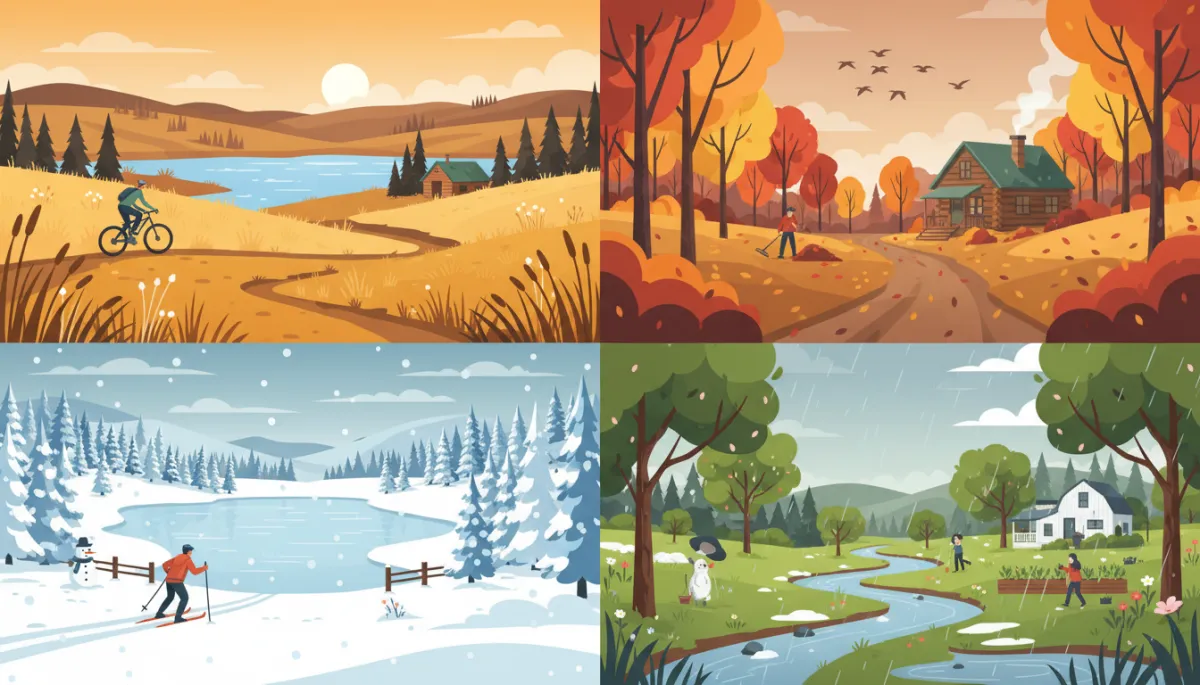
The South Cariboo, anchored by 100 Mile House, lives up to the classic BC Interior pattern: warm, generally dry summers, cold snowy winters, and shoulder seasons that swing quickly between frosty mornings and pleasantly mild afternoons. Environment and Climate Change Canada’s climate normals for 100 Mile House (1991–2020) show a humid continental, sub‑boreal climate—average summer highs in the low‑ to mid‑20s °C, winter highs hovering around or below freezing, and precipitation spread through the year but falling as snow for several months at this 1,000‑metre elevation. In practical terms, you can expect lake days and late‑evening barbecues in July, reliable snowpack and winter sports from roughly December through February, and shoulder seasons that reward anyone who plans ahead for both mud and frost. This four‑season rhythm shapes everything here: how locals play outside, how they care for cabins and acreages, and how newcomers should prepare for life in the South Cariboo.
Spring in the South Cariboo: Thaw, Mud, and First Adventures
Spring in the South Cariboo (April to June) is a season of transition. According to regional temperature records summarized by the Cariboo Regional District, April can still see lows below 4 °C, with daytime highs ranging from just above freezing into the mid‑teens °C, while May and June trend steadily milder, often reaching the high teens and low 20s °C as lingering snow finally disappears from shaded areas and higher ground. Snowmelt swells creeks and waterfalls, and you can experience frost at sunrise followed by shirtsleeve weather by mid‑afternoon. This shoulder‑season volatility is typical of the BC Interior and is consistent with the broader climate normals for 100 Mile House, where spring temperatures climb quickly but night‑time cold can hang on well into May.
For locals and visitors, spring is prime time for quieter outdoor experiences. Trails around waterfalls and lakes open up as snow recedes, offering early‑season hiking with rushing water and emerging wildflowers as a backdrop. Ranch country comes alive: many South Cariboo guest ranches and riding stables start moving from indoor arenas to open‑air trail rides, letting you explore rolling hills and forest tracks before summer heat and dust arrive. Archery clubs typically shift from indoor 3D shoots to forest courses, making spring a great time for target practice under fresh green canopies. Markets begin to pop up, too, with early produce, baked goods, and local crafts hinting at the busy summer ahead.
For property owners, spring is about inspection and preparation. As the snow retreats, it is essential to:
Walk your property to check for winter damage to roofs, decks, docks, and outbuildings, especially where snow loads were heavy.
Clear gutters, downspouts, and drainage ditches so meltwater and spring rain flow away from foundations and septic fields.
Rake away debris and last year’s dry grass around buildings to start establishing a defensible space ahead of wildfire season.
Service lawn equipment, water systems, and irrigation so you are ready when warm, dry weather settles in.
Summer: Warm, Often Dry Days and Long Evenings at the Lake
Summer in the South Cariboo (July and August especially) showcases the classic BC Interior pattern: warm to hot days, cool nights, and relatively low humidity. Data from the South Cariboo Regional Airport and 100 Mile House climate records show average summer highs in the low‑ to mid‑20s °C, with hotter stretches climbing into the high 20s or low 30s °C. Environment Canada’s normals confirm that this inland plateau is drier than coastal BC, with much of the warm‑season precipitation arriving as short‑lived showers or thunderstorms rather than persistent rain. Evenings typically cool down nicely, making it easy to sleep without air conditioning, a hallmark of the Interior’s continental feel.
Summer is when the South Cariboo’s lakes and trails truly shine. Along Highway 24 the “Fishing Highway”—anglers spread out across dozens of lakes in search of trout, while paddlers explore sheltered bays by canoe, kayak, or stand‑up paddleboard. Campgrounds and lakeside resorts are busy but rarely overwhelming, and long daylight hours invite evening hikes, horseback rides, and campfire gatherings. Local outdoor markets and events fill the calendar, from weekly farmers markets to regional celebrations like the late‑August Garlic Festival at Lac La Hache, complete with food vendors, live music, and family‑friendly attractions. Many ranches, archery clubs, and outfitters run at full capacity, offering everything from trail rides to guided paddling trips.
For homeowners and cabin owners, summer is both reward and responsibility. Warm, often dry conditions mean you can tackle big outdoor jobs, but you also need to think seriously about wildfire preparedness. Key summer tasks include:
Mowing and trimming vegetation close to buildings, and removing stacked firewood or combustible materials from against exterior walls.
Cleaning roofs and gutters of needles and leaves, which can become ignition points during ember showers.
Checking water systems, pumps, and hoses so you can irrigate landscaping and, if needed, wet down priority areas during high‑risk periods.
Scheduling exterior painting, staining, or deck repairs while surfaces are reliably dry and temperatures are cooperative.

Warm, dry summers pair long lake days with ideal conditions for outdoor projects.
Fall: Golden Hillsides, Cool Nights, and Getting Winter‑Ready
Fall in the South Cariboo (September and October) arrives quickly but beautifully. Daytime highs often sit in the low‑ to mid‑teens °C, occasionally reaching the high teens or low 20s °C early in the season, while nights cool rapidly and frost becomes common. Regional climate data shows that by October, maximum temperatures can drop into the single digits, and the first wet snowfalls are not unusual, especially given 100 Mile House’s elevation of about 1,059 metres. This pattern mirrors the broader BC Interior climate: crisp, sunny days, chilly evenings, and a swift slide toward winter conditions by late October or early November.
Fall is a favourite season for many locals. The larches and aspens turn shades of gold and orange, making lakeside walks and forest hikes particularly photogenic. Trails and campgrounds are quieter, yet still accessible, and horseback riding under autumn colours is a signature South Cariboo experience. Local calendars feature events such as mud drags, markets, and moto rodeos, giving communities a festive send‑off to the warm season. For photographers and nature lovers, this is a prime window: fewer bugs, fewer crowds, and dramatic light over rolling hills and lakes.
For property owners, fall is all about winterizing and closing the loop on your summer work. Key tasks include:
Blowing out and draining exterior water lines, hoses, and irrigation systems to prevent freeze damage once temperatures drop below zero.
Cleaning chimneys and servicing woodstoves, furnaces, and heat pumps before you rely on them daily through winter.
Checking weatherstripping, exterior doors, and windows for drafts, and adding insulation where needed for comfort and efficiency.
Stocking up on firewood, sand or gravel, and winter supplies so you are prepared before the first major snowfall.
Winter: Cold, Snowy, and Built for Outdoor Play
Winter in the South Cariboo (roughly November through March) reflects the cold, snowy side of the BC Interior climate. Environment Canada’s normals for 100 Mile House and data from the nearby South Cariboo Regional Airport show average daily highs hovering around or slightly below 0 °C in mid‑winter, with lows routinely dropping well below freezing. December is typically the coldest month, with highs near –2 to 1 °C and lows that can fall into the –10 °C range or colder, while snow cover is common throughout much of the season. Precipitation that falls in winter is predominantly snow at this elevation, reinforcing the region’s reputation for reliable winter conditions compared with coastal BC’s milder, rainier climate. These patterns are consistent with Environment and Climate Change Canada’s description of a cold, temperate, humid continental climate for the area.
Rather than hibernating, the South Cariboo embraces winter. The 100 Mile Nordic Ski Society maintains extensive cross‑country ski trails, offering both classic and skate tracks through quiet forests. Snowmobilers enjoy groomed routes and open areas around Green Lake, Interlakes, and other hubs, while snowshoers and winter hikers explore frozen shorelines and backcountry routes. Ice fishing shacks dot many lakes once the ice is solid, and local lodges and cabins pivot to cozy winter stays with woodstoves, hot drinks, and star‑filled nights. Community arenas and the 100 Mile curling rink host leagues and drop‑in programs, adding indoor recreation to the mix when temperatures plunge or storms roll through.
Winter property care focuses on safety, access, and protecting your investment from cold and snow load. Important tasks include:
Keeping driveways and walkways ploughed or shoveled, and applying sand or gravel to manage ice buildup on slopes and steps.
Monitoring roofs, decks, and carports for heavy snow accumulation, and safely removing excess weight to prevent structural strain.
Maintaining a safe indoor temperature in full‑time homes and seasonal cabins alike, using programmable thermostats or monitored systems to reduce the risk of frozen pipes.
Checking backup power options, such as generators, and ensuring you have adequate fuel and emergency supplies for occasional outages.
Taken together, the four seasons of the South Cariboo shaped by Environment Canada’s long‑term climate normals for 100 Mile House offer a full spectrum of experiences: warm, often dry summers; crisp, colourful falls; cold, snowy winters; and a dynamic, fast‑changing spring. With a bit of planning and seasonal maintenance, property owners and visitors alike can enjoy this Interior climate at its best, year‑round.