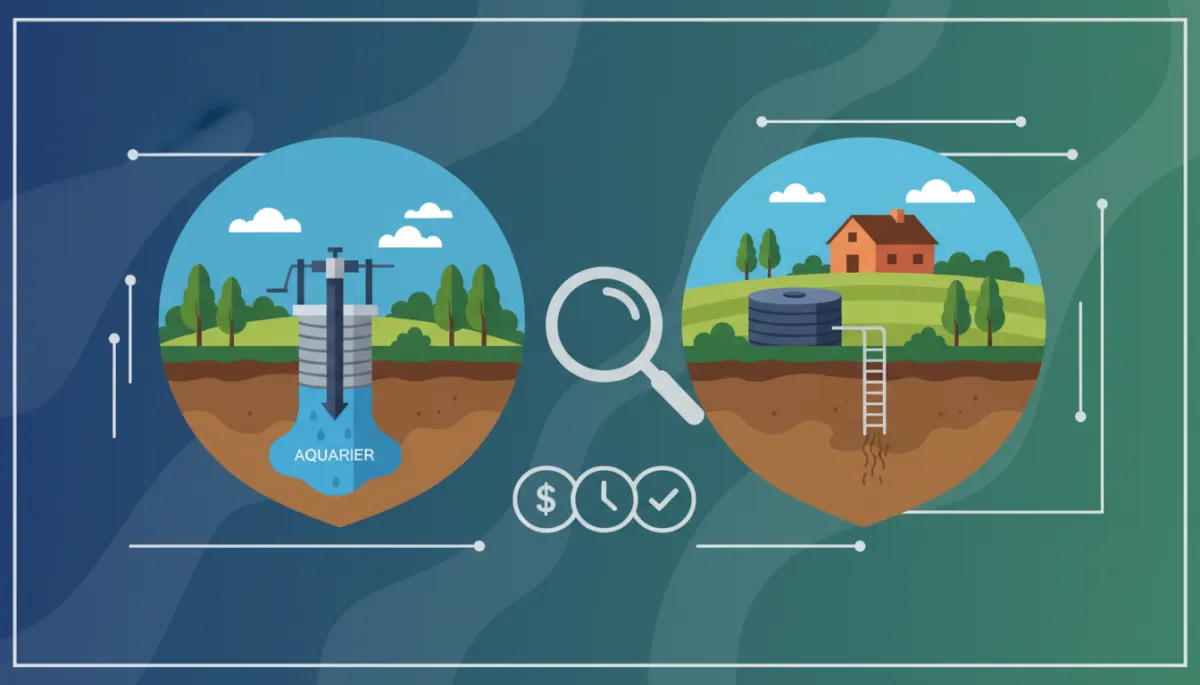
Guide to Well & Septic Systems in Rural BC
Real Estate, Rural Property, Well & Septic
Legal / Regulatory Well Water and Septic Systems in Rural BC: A Buyer’s FAQ Guide
Thinking about buying a rural property in British Columbia? This FAQ-style guide explains how wells and septic systems are regulated, what inspections cost, how long they take, and why a certified well/septic inspection should be a standard condition in your offer.
FAQ 1: Who regulates wells and septic systems on rural properties in BC?
In rural British Columbia, water wells and onsite septic systems are governed by several overlapping rules:
Groundwater protection & wells: BC’s Water Sustainability Act and Groundwater Protection Regulation set standards for well construction, decommissioning, and protection zones, and require certified well drillers and pump installers for most work (see BC government well owner resources1).
Septic systems: Most rural septic systems fall under the Sewerage System Regulation of the Public Health Act. Design, installation, and substantial repairs must be done or overseen by a Registered Onsite Wastewater Practitioner (ROWP) or professional engineer, with filing to the local health authority.
Local bylaws: Regional districts and municipalities may add requirements such as minimum lot sizes for septic, setbacks from water bodies, or proof of potable water at subdivision or building permit stage.
As a buyer, you are usually purchasing the systems “as is.” Lenders and insurers increasingly expect documented, recent inspections for both well and septic on rural transactions.
FAQ 2: Are well and septic inspections legally required when I buy?
In most of rural BC, there is no blanket law that forces a seller or buyer to complete a well or septic inspection at the time of sale. However:
Some lenders will require evidence of safe drinking water and a functioning septic system before funding a mortgage on rural property.
Certain regional districts and health authorities may insist on documentation if you are planning additions, new buildings, or secondary dwellings.
Real estate professionals increasingly treat well and septic inspections as a best practice risk management step, similar to a home inspection.
📌 Key Takeaway: Even when not strictly required by law, skipping well and septic inspections can expose you to five‑figure repair or replacement bills after closing.
FAQ 3: How much do well inspections cost in rural BC (2026)?
Based on recent North American and BC‑specific data, here is what buyers in rural BC can typically expect to budget for a well inspection2:
Basic visual well inspection: about $150–$250 for a limited surface check of the wellhead and visible equipment.
Standard inspection (common for buyers): approximately $250–$400, often including a flow/yield test and basic operational checks.
Standard inspection + basic water testing: usually in the $350–$550 range, with bacterial and nitrate sampling sent to a lab.
Comprehensive inspection (full water panel): around $500–$800, depending on how extensive the lab testing and equipment checks are.
In rural BC, inspectors may add a travel surcharge for remote locations, which can push the total cost higher than urban averages. Many buyers find that a realistic planning figure is about $450 for a solid standard well inspection, before any extra lab work or mileage fees.
⚠️ Important: Prices vary by region and provider. Always verify current well inspection costs with a local, licensed inspector before publishing, sharing, or relying on these estimates in a formal report or listing.
FAQ 4: How much do septic inspections cost in rural BC (2026)?
Septic inspection pricing in rural BC is generally higher than for wells, and depends heavily on system complexity and travel distance. Recent examples from BC providers show:
Standard visual or point‑of‑sale inspections: typically $300–$700, including a site visit and written report for a typical residential system3.
Mid‑tier inspections (often for real estate deals): about $600–$800, usually including camera work, mapping, and performance checks.
High‑end performance inspections: commonly $750–$2,500 for complex systems, larger properties, or where soil/percolation testing is required.
Expect an additional rural travel surcharge of roughly $100–$250 in many outlying areas. Some regional programs, such as the Columbia Shuswap Regional District’s rebate, may refund part of the cost when you use a Registered Onsite Wastewater Professional, so ask about incentives in your area.
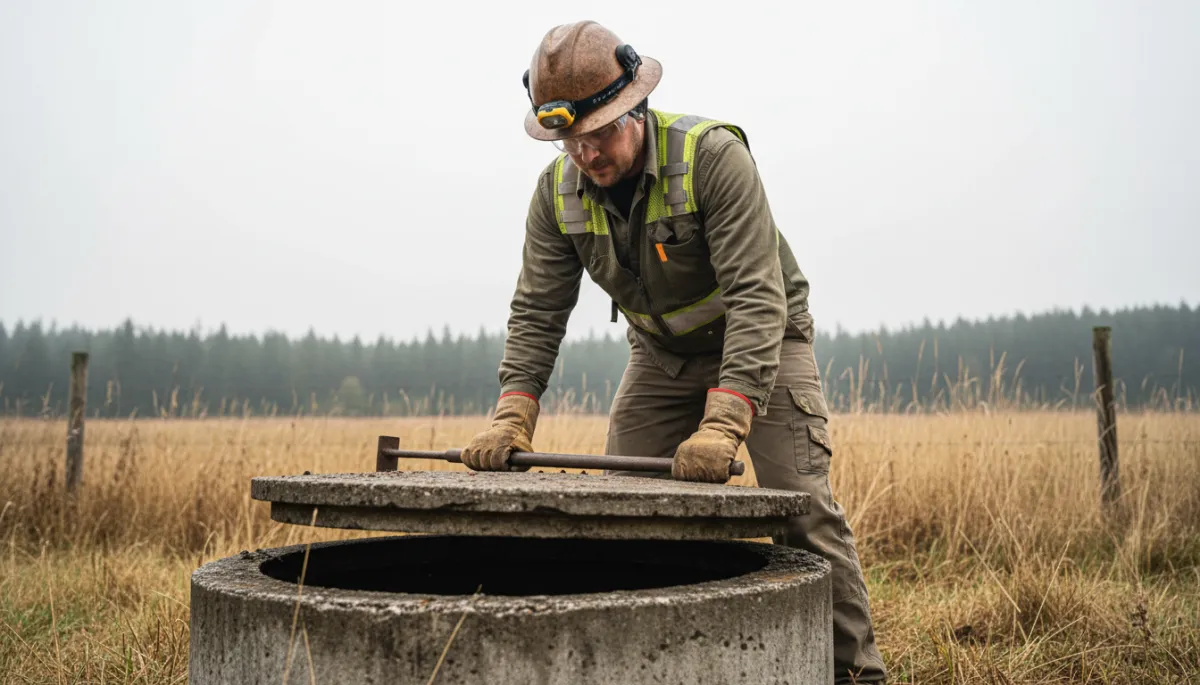
A thorough septic inspection can reveal hidden failures before they become costly emergencies.
⚠️ Important: As with wells, these septic inspection figures are estimates. Confirm current pricing with a local septic inspection company before you publish, advertise, or rely on specific dollar amounts in negotiations.
FAQ 5: How long do well and septic inspections usually take?
Inspection time depends on the size and condition of the systems, property access, and how detailed the scope of work is, but typical ranges for rural BC buyers are:
Well inspection: commonly 1.5 to 3 hours on site for a standard inspection that checks the wellhead, pressure system, and basic performance. Extended flow‑rate testing and sampling may add time, and lab results for water quality usually return in 2–7 business days1.
Septic inspection: typically 1 to 3 hours on site for a typical residential system, according to BC guidance on septic inspections4. Complex systems, buried lids, or the need to pump the tank for a better view can extend that timeframe.
In more remote parts of rural BC, limited inspector availability means you should allow several days to a couple of weeks to schedule both inspections during your subject‑removal period.
FAQ 6: Should I make a certified well/septic inspection a condition of my offer?
Yes. For rural BC properties, it is prudent to treat a certified well and septic inspection as a standard condition in your offer, alongside financing and home inspection conditions. Doing so:
Gives you time to confirm water quality, quantity, and system safety before you are legally bound to complete the purchase.
Provides leverage to renegotiate price or request repairs if major deficiencies are found.
Helps satisfy lender and insurance requirements, reducing the risk of last‑minute financing problems.
💡 Pro Tip: Ask your real estate professional to write separate subject clauses for well and septic inspections, specifying that they must be completed by a certified well contractor and a Registered Onsite Wastewater Practitioner (ROWP) or equivalent.
FAQ 7: How do I choose qualified inspectors and confirm current pricing?
To protect yourself and ensure up‑to‑date cost information:
Use certified professionals. For wells, look for licensed well drillers or pump installers familiar with BC’s Groundwater Protection Regulation. For septic, confirm that the provider is a Registered Onsite Wastewater Practitioner (ROWP) or a professional engineer with onsite wastewater experience.
Request a written quote. Ask for a detailed estimate that clearly states what is included (e.g., flow test, lab water tests, camera inspection, mapping, travel fees, written report).
Verify current inspection costs locally before publishing or sharing numbers. The price ranges in this guide are based on 2026 data; individual companies may charge more or less, and fuel or lab fees can change quickly. Always cross‑check with at least one local provider in the area where the property is located.
Final thoughts for rural BC buyers
A rural property’s well and septic system are as important as the house itself. Understanding the legal framework, budgeting realistically for inspections, and making a certified well and septic inspection a non‑negotiable subject condition can save you from expensive surprises and protect your family’s health. Before you finalize your offer or publish any marketing materials, take the time to speak with local inspectors, confirm current costs, and build those inspections into your buying timeline.
References: (1) Government of BC, Information for Well Owners; (2) welldrillerfinder.com, typical well inspection costs; (3) BC septic service providers and LatestCost septic inspection breakdown; (4) BC Hydro & HealthLink BC guidance on septic system inspections and timing.