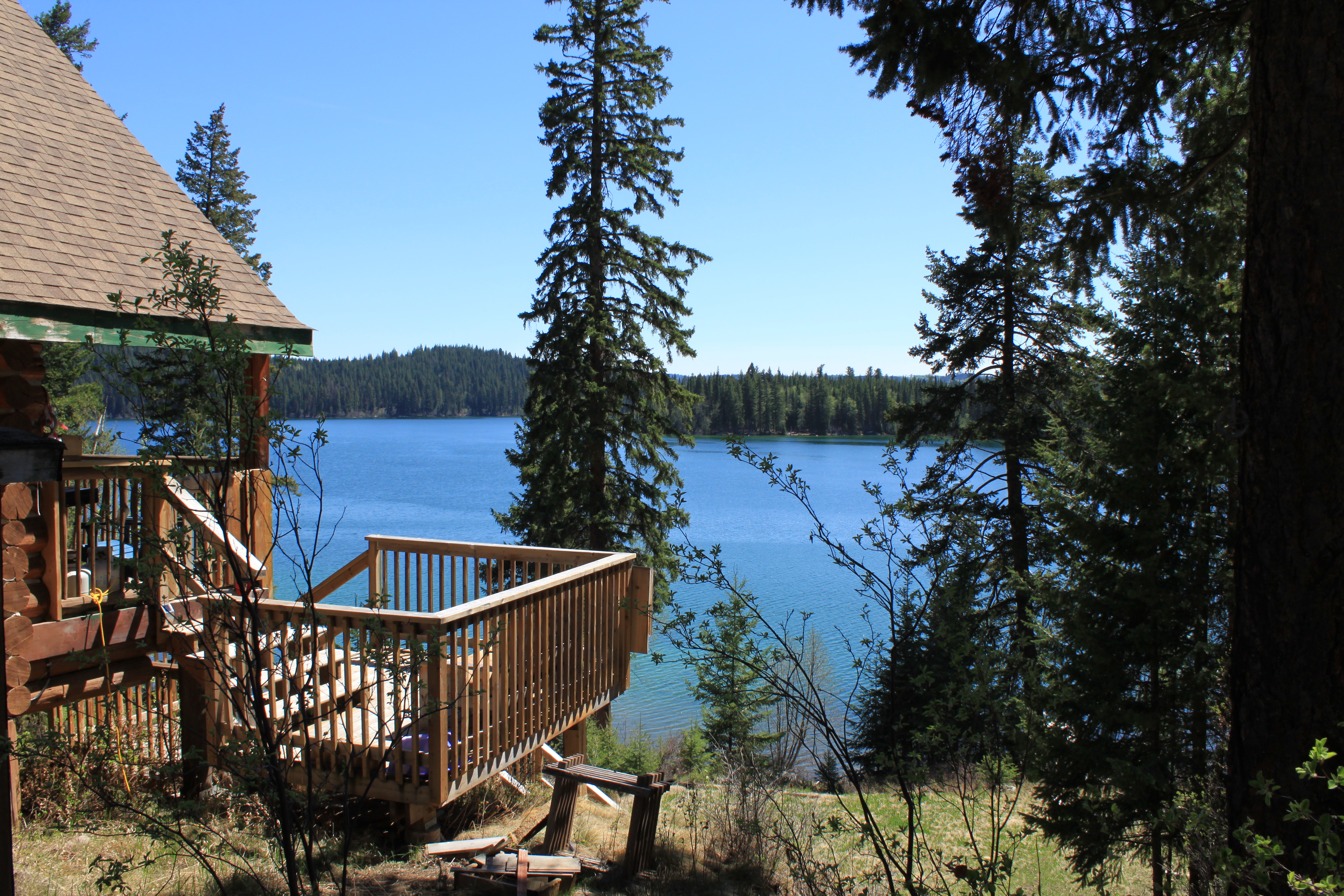
What Do Cabin Sellers in Interlakes Need to Fix Before Listing, and What Can They Leave Alone?
If you’re getting ready to sell a cabin in Interlakes, there’s a good chance you’re asking some version of the same question most sellers do:
What do we actually need to fix before listing this place?
Because once that thought starts, it can spiral fast.
Do we need to repaint everything? Replace the deck? Update the kitchen? Fix every little issue? Clean up the yard more? What about the outbuildings? Should we redo the bathroom? Will buyers care about that old shed? Are we going to spend a bunch of money and still not get it back?
That’s where a lot of cabin sellers get stuck.
They either do too much, or they do nothing, because they’re not sure what actually matters.
I’m Amanda Oldfield, a real estate agent in the Interlakes and 100 Mile region, and I help sellers figure out how to get a rural property ready without turning it into a full-blown renovation project. If you’re selling a family cabin, lake property, or recreational place in Interlakes, here’s how I’d think about it.
Start with this
You do not need to make the property perfect to sell it well.
That matters, because some sellers assume they need to fix every flaw before the listing goes live. Usually, that’s not true.
Buyers looking at cabins and recreational property in Interlakes are not expecting a downtown condo. They understand rural properties come with quirks. They understand older cabins have wear. They understand not everything is going to be brand new.
What they don’t want is a place that feels neglected, messy, confusing, or harder than it needs to be.
That’s the difference.
The goal is not perfection. The goal is to make the property feel cared for, usable, and worth coming to see.
Fix the things that make buyers feel uneasy
This is where I’d start.
If something makes a buyer wonder what else is wrong, it moves up the list.
That includes things like:
obvious leaks
broken railings
unsafe steps
doors that don’t close properly
major clutter
garbage or scrap left around
signs of water damage
broken windows
visibly damaged flooring that feels like a problem, not just wear
These things don’t just look rough. They create doubt.
And once buyers start feeling uneasy, they get more cautious with everything. They assume there may be more hidden issues. They mentally lower the value. They start bracing for hassle.
That’s why basic repairs that reduce concern usually matter more than cosmetic upgrades.
Clean-up matters more than fancy updates
This is especially true with cabins.
A lot of sellers think buyers are going to care most about older finishes. Usually, they care more about whether the place feels clean, open, and manageable.
A cabin can have dated flooring, older cupboards, and a simple bathroom and still sell well if it feels tidy and functional.
But if it feels packed, overgrown, dim, or chaotic, buyers have a harder time seeing the property clearly.
Before spending money on updates, I’d look at:
deep cleaning
clearing countertops and extra furniture
removing personal overflow
cleaning windows
tidying utility areas
mowing or trimming the outside
cleaning up wood piles, scrap, broken outdoor items, and random extras
making entry areas feel simple and welcoming
This kind of prep usually gives sellers a much better return than random upgrades that don’t really change how the property feels.
Outside matters a lot with recreational property
With cabins, buyers are not just buying the building.
They’re buying the whole experience.
They’re picturing weekends, summers, mornings outside, family visits, the fire pit, lake time, peace and quiet. So if the outside feels neglected, that hits harder than people think.
I’d pay attention to:
first impression from the driveway
overgrown grass or brush
messy outbuildings
broken lawn furniture
old tarps
scrap piles
clutter around the cabin
whether the outdoor space feels usable
You do not need to turn it into a resort. But buyers should be able to arrive and feel like the property has been looked after.
That feeling matters.
Fix what affects financing, safety, or smooth negotiations
Some repairs are worth doing simply because they can make the sale easier.
Not every buyer will be scared off by a rough-looking place, but safety issues and bigger visible problems can affect negotiations, inspections, or financing conversations later.
That doesn’t mean you need to take on every issue. It means you should think strategically.
If there’s something obvious that is likely to come up quickly and create friction, it may be worth fixing ahead of time.
Examples can include:
loose stairs or handrails
active plumbing issues
visible roof concerns
broken fixtures that make the cabin feel half-functional
electrical problems you already know about
drainage issues that are easy to address now
The point is not to erase every imperfection. It’s to avoid preventable deal stress.
What you can often leave alone
This is the part sellers usually want to hear.
A lot of cabin sellers do not need to redo the place from top to bottom.
In many cases, you can leave alone:
older but functional kitchens
dated cabinets
cosmetic wear that matches the age of the property
older flooring if it’s clean and intact
simple finishes that are not trendy but still usable
older light fixtures if they’re working and not making the place feel gloomy
outbuildings that are basic but solid
small imperfections buyers expect in a recreational property
You are not trying to compete with a brand-new build if that’s not what your property is.
Trying to force a cabin into looking like something it’s not can get expensive fast, and often doesn’t add as much value as sellers hope.
Be careful with half-finished projects
This is a big one.
A lot of sellers think, “Maybe we should just start fixing that bathroom,” or “Maybe we should rip out the old flooring before listing.”
That can backfire.
Half-finished projects make buyers nervous. A cabin with a dated bathroom is usually easier to understand than a cabin with a torn-apart bathroom that never got finished.
Same with flooring. Same with trim. Same with unfinished exterior repairs.
If you’re going to do something, finish it properly. If you’re not, it’s often better to clean it up and present it honestly than create more questions.
Don’t over-improve for the neighbourhood or property type
This happens more than you’d think.
Sometimes sellers put money into updates that don’t really match the price point, buyer type, or style of property. They upgrade a cabin like they’re preparing a suburban resale, and the numbers just don’t work.
Buyers in Interlakes are usually looking at:
location
lake or area appeal
access
condition
usability
overall feel
whether the price makes sense
A sparkling new backsplash is not usually the thing that tips the deal on a rural recreational property.
The bigger win is getting the property clean, clear, well-positioned, and priced properly.
A simple example
Let’s say a family has owned a cabin for years. It’s got older finishes. The kitchen is dated. The bathroom is nothing fancy. The deck stain is worn. There’s a shed full of extras and a bunch of loose items outside that have built up over time.
They assume they need to renovate before selling.
But really, the smarter move may be this:
haul away the junk
clean the cabin properly
thin out furniture
tidy the shed area
fix the loose railing
touch up the spots that feel rough
make the outside feel usable again
Now the property feels cared for. Buyers can see the value. The cabin still looks like a cabin, but it no longer feels like a project with a thousand unknowns.
That’s usually a much better use of money.
Another version of this
Sometimes sellers do the opposite.
They leave everything exactly as it is because they assume buyers will “see through it.”
Sometimes buyers can. Sometimes they can’t.
If the place is too cluttered, too overgrown, too full, or too tired-looking, even a good property can lose momentum. Buyers start focusing on work instead of possibility.
That’s why the sweet spot is usually somewhere in the middle.
Not over-renovated. Not ignored. Just prepared properly.
What I’d focus on first before listing
If I were helping a cabin seller get ready, I’d usually look at these five areas first:
1. Safety and obvious repair issues
Take care of anything that feels unstable, broken, or likely to create immediate concern.
2. Cleanliness
A deep clean goes a long way, especially in older cabins.
3. Clutter and excess
Inside and outside. Buyers need room to see the property.
4. Outdoor presentation
The approach, yard, deck, fire pit area, and general exterior feel matter a lot.
5. Small practical improvements
Simple fixes that make the property feel more usable and less neglected.
That’s usually where the best return is.
Common mistakes cabin sellers make
Fixing the wrong things
They spend money on cosmetic updates while leaving obvious concerns untouched.
Starting projects they don’t finish
This almost always makes the property harder to sell, not easier.
Leaving too much stuff behind
Cabins tend to collect years of furniture, tools, gear, and random extras. Buyers notice.
Thinking buyers won’t care about the outside
They absolutely do. On rec property, outside is part of the sale.
Waiting because it all feels overwhelming
This is a big reason sellers put things off. They don’t need a bigger to-do list. They need the right one.
So what actually needs to be fixed?
If I had to simplify it, I’d say this:
Fix the things that create concern.
Clean the things that create distraction.
Leave alone the things that are simply older but still functional.
That’s the filter.
You don’t need to pour money into every dated feature. You do need to reduce the stuff that makes buyers feel unsure, hesitant, or overwhelmed.
Final thoughts
If you’re selling a cabin in Interlakes, the best prep is usually not a giant renovation. It’s smart, targeted work that helps the property show well and feel easier for buyers to say yes to.
I’m Amanda Oldfield, a real estate agent in the Interlakes and 100 Mile region, and I help cabin sellers figure out what’s worth doing before listing and what’s probably not. If you want straight advice on how to prepare your property without wasting money, I can help you sort that out.
FAQ
Do I need to renovate my cabin before listing it?
Usually not. Most sellers do better focusing on repairs, clean-up, and presentation instead of major renovations.
What repairs matter most before selling a cabin?
Safety issues, visible damage, leaks, broken railings, messy exterior areas, and anything that makes buyers worry about bigger hidden problems.
Should I update an old kitchen before selling?
Not always. If it’s functional and clean, it may be better to leave it alone than spend money on an update that doesn’t add much value.
How important is the outside of the property when selling a cabin?
Very important. Buyers are buying the full experience, not just the building.
What should I remove before listing?
Extra furniture, personal overflow, broken outdoor items, scrap, clutter, and anything that makes the property feel crowded or neglected.