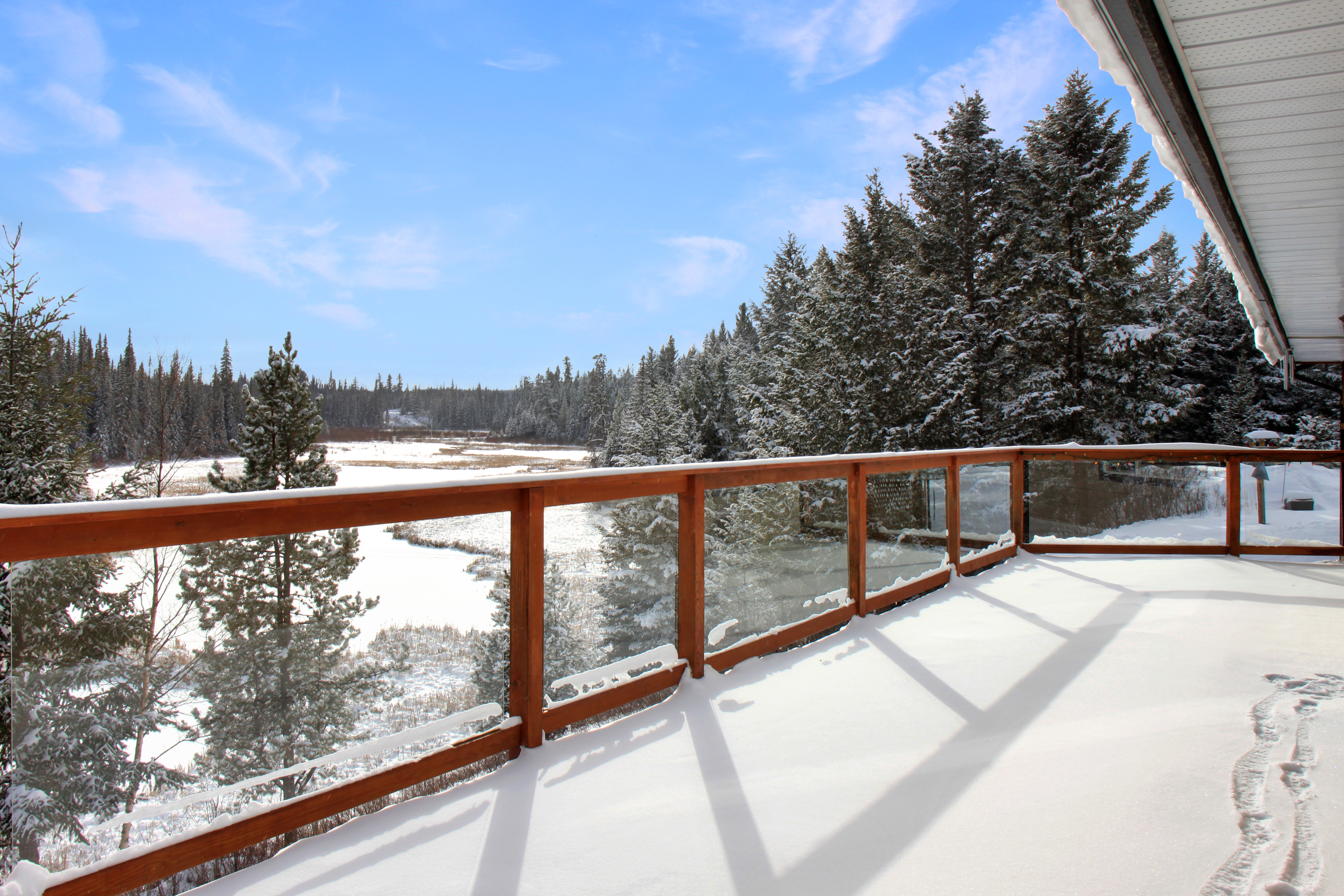
Who should NOT buy rural property in the Cariboo?
Rural property in the Cariboo can be a wonderful fit — for the right people.
But it isn’t right for everyone.
One of the biggest mistakes people make when considering a move out of the city is assuming that rural living is just “city life, but quieter.” It isn’t. And when expectations don’t match reality, that disconnect can lead to stress, regret, or feeling stuck.
This article isn’t meant to discourage anyone.
It’s meant to bring clarity.
If you’re thinking about buying rural property in the Cariboo, here are some honest situations where it may not be the right move — at least not right now.
If you need convenience to feel comfortable
Rural living requires a different relationship with time and planning.
If you’re someone who:
Wants quick access to shops, services, and appointments
Expects errands to be spontaneous
Feels frustrated when plans take longer than expected
…then rural property may feel limiting rather than freeing.
In the Cariboo, trips are often planned. Driving distances are longer. Some services require advance scheduling. For many people, this slower pace is a benefit. For others, it feels like friction.
Neither is wrong — but knowing which one you are matters.
If winter uncertainty causes anxiety
Winter in the Cariboo isn’t constant hardship — but it does require preparation and comfort with changing conditions.
Rural properties often mean:
Snow management
Variable road conditions
Longer driveways
More personal responsibility for access
If winter driving causes significant stress, or if the idea of managing snow feels overwhelming rather than manageable, rural living may create ongoing anxiety instead of peace. Our snow here is different though, driving here in the snow is easier than driving in the Lower Mainland in the snow.
Many people thrive here year-round. Others discover that winter feels heavier than expected.
That realization is worth having before buying.
If you want a “hands-off” property experience
Rural properties tend to be more involved.
That can include:
Private water systems
Septic systems
Larger lots
Outbuildings
Ongoing maintenance
If you prefer a lifestyle where property care is largely invisible — or handled entirely by someone else — rural ownership may feel like work rather than enjoyment.
Some buyers love being connected to their property and understanding how everything works. Others feel burdened by it or intimidated. There are service providers here to help you through, but they, just like life here, can be slower.
Knowing where you fall on that spectrum is important.
If social connection needs to be built in for you
Rural communities are often friendly and welcoming — but they don’t usually offer built-in social structures the way cities do.
If you rely on:
Frequent drop-in social activity
A wide range of nearby events
Constant stimulation and variety
…then rural living can feel isolating, especially at first.
People who do best tend to be comfortable:
Initiating connections
Enjoying quieter routines
Building a smaller, deeper circle over time
If isolation is a concern, it’s worth considering how you typically build community.
If you’re trying to escape something rather than choose something
This is one of the most important — and most overlooked — factors.
If the move is driven primarily by:
Burnout
Frustration
A need to “get out” quickly
…there’s a risk of carrying that stress into the new location.
Rural living works best when it’s a choice toward a lifestyle, not just an escape from one.
People who take time to define what they’re moving toward — pace, space, routines, priorities — tend to feel far more settled once they arrive.
If you expect rural life to feel like a permanent vacation
The Cariboo is beautiful. The space, quiet, and scenery are real benefits.
But daily life still includes:
Responsibilities
Maintenance
Weather
Planning
If the expectation is that rural living will feel effortless or restorative all the time, disappointment can follow.
The people who are happiest long-term tend to appreciate the rhythm of rural life — including its quieter days and practical realities.
If flexibility is limited right now
Rural property purchases often benefit from:
Time to research
Willingness to wait for the right fit
Openness around location, layout, or timing
If your situation requires:
Immediate availability
Very specific features
Tight timelines
…it can increase pressure and reduce choice.
In those cases, waiting or approaching the move in stages may be a better option. Planning and prep here will help you.
This doesn’t mean rural living is a bad idea
It just means it needs to fit you.
Some people read lists like this and feel discouraged. Others feel relieved — because they recognize themselves and realize it’s okay to wait, adjust expectations, or choose a different path.
Many successful moves to the Cariboo happen because people:
Took their time
Asked honest questions
Didn’t force a timeline
Were realistic about lifestyle changes
A common pattern I see
Many people who end up loving rural living say some version of this:
“Once we stopped trying to make it work like the city, everything felt easier.”
That shift in mindset often makes all the difference.
Final thoughts: clarity is better than regret
Buying rural property in the Cariboo can be deeply rewarding — for the right people, at the right stage of life, with the right expectations.
But it’s not a test of toughness or commitment.
It’s a lifestyle choice.
If you’re unsure whether rural living is the right fit, that uncertainty is worth listening to — not pushing through.
Taking time to decide doesn’t mean you’re missing out. Often, it means you’re making a better decision.
If you want to talk through whether rural property actually fits your lifestyle and priorities — honestly and without pressure — I’m always happy to help you think it through.
Amanda Oldfield
Amanda Oldfield Realtor – Exp Realty
96 Hwy 97, 100 Mile House, BC
250-318-5202