Wildfire Risk & Insurance for Cariboo Homes
Real Estate, Wildfire Risk, Home Insurance
Wildfire Risk and Insurance for Cariboo Properties: What Buyers Need to Know
If you’re buying in B.C.’s Cariboo, you’re right to weigh wildfire risk alongside price and views. The region has lived through repeated fire seasons, from the 2017 evacuations that emptied communities like 100 Mile House, to weeks of thick smoke in 2021 that reminded residents how far-reaching wildfire impacts can be. Today, wildfire coverage is still available and generally included in standard home insurance, but premiums, conditions, and timing matter more than ever. With some preparation smart insurance shopping, FireSmart upgrades, and realistic expectations about resale you can own in the Cariboo with eyes wide open instead of crossed fingers.
A Region Shaped by Wildfire History
Wildfire isn’t a hypothetical risk in the Cariboo; it’s part of the local story. Historic accounts stretch back to the Cariboo Gold Rush, when mining activity and land clearing contributed to frequent fires. More recently, the 2003 and 2010 seasons signalled that hotter, drier summers were becoming the norm across the Interior.
The turning point for many buyers came in 2017, one of B.C.’s worst wildfire seasons on record. Massive fires including the Elephant Hill blaze triggered a provincial state of emergency and major evacuations across the Cariboo, with 100 Mile House residents ordered out for days while smoke and flames threatened nearby communities. A second intense season followed in 2018, reinforcing that 2017 was not a one-off event but part of a longer trend toward more frequent, larger fires in the region.
Even in years without major local evacuations, smoke can dominate daily life. In 2021, prolonged smoke events across Interior B.C. brought poor air quality, dull orange skies, and health advisories that affected residents and visitors alike. For buyers, that history underscores an important point: wildfire risk isn’t only about flames reaching your property; it also includes repeated smoke exposure, road closures, and disrupted summers that can influence how you use and later sell your home or recreational property.
Insurance Shopping in the Cariboo: What to Expect in 2026
The good news is that in British Columbia, wildfire is a standard insured peril in most home policies. If you hold a regular homeowners, condo, or tenant policy, it typically includes coverage for fire damage, including wildfire, plus additional living expenses (ALE) if you’re forced to evacuate or your home becomes uninhabitable (Government of B.C.).
However, in higher-risk or more remote parts of the Cariboo, you may encounter higher premiums, stricter underwriting, or larger deductibles. Insurers factor in proximity to forested areas, road access, local firefighting capacity, and even your property’s FireSmart status when pricing coverage (Emergency Management and Climate Readiness Estimates 2025).
💡 Pro Tip: When you first view a property, call a broker the same day with the civic address and ask, “Can you confirm wildfire coverage and approximate premium if I buy here?”
During active fire seasons, insurers sometimes place temporary holds on new policies in zones under evacuation alert or near active fires. Renewals of existing policies usually continue, but if you’re trying to insure a newly purchased property, you may be told to wait until conditions improve (BC Wildfire Service insurance guidance).
To protect your purchase:
Build “subject to insurance” into your offer. Your contract can state that the deal only proceeds if you can secure satisfactory property insurance, including wildfire coverage, by a set date. The B.C. Financial Services Authority has supported clauses and even 30‑day closing extensions where wildfire disrupts insurance availability (BCFSA guidance).
Aim to finalize insurance before peak fire season. Don’t wait until July or August to start calling brokers; bind coverage as soon as you have a firm closing date.
Review limits and exclusions carefully. Ask specifically about ALE caps, smoke damage, vacancy clauses if this is a seasonal home, and any wildfire-related sub-limits or higher deductibles.
If your claim is ever denied after a wildfire, know that disputes are increasing across the Interior and Cariboo, often tied to technical wording or underinsurance. Strict timelines apply, so speaking quickly with your broker, a public adjuster, or a lawyer can help preserve your options (Insurance Denial BC).
FireSmart BC: Practical Steps Buyers Can Take Now
Insurers increasingly look at how “ignition‑resistant” your property is. That’s where FireSmart BC’s current guidance becomes a powerful tool for both safety and insurability. The 2026 “See Through FireSmart Eyes” campaign focuses on simple, high‑impact actions owners can take, starting the day you get the keys (FireSmart BC).
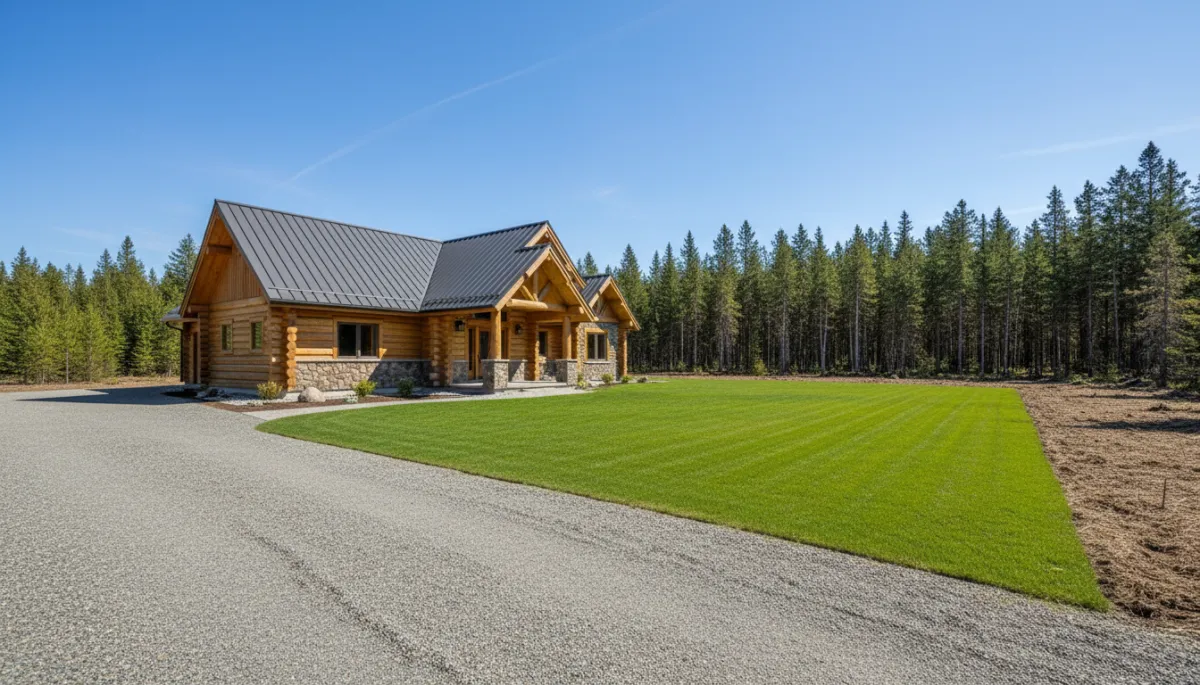
FireSmart landscaping and roofing can lower risk and support smoother insurance approvals.
Key FireSmart practices for Cariboo buyers include:
Create a non-combustible zone 0–1.5 m from your home. Replace wood mulch with gravel or rock, remove firewood stacks from beside walls, and keep decks swept clear of needles and debris.
Move combustible items at least 10 m away. This includes lumber piles, fuel, RVs, and sheds packed with tools or propane. FireSmart BC stresses that embers can ignite these items and then your home.
Maintain your yard. Keep grass under 10 cm and watered, prune lower tree branches up to 2 m from the ground, and thin dense conifers especially within 10–30 m of structures.
Harden the building itself. Choose Class A fire‑rated or metal roofing where possible, enclose open eaves, install ember‑resistant vents, and clean gutters regularly so they don’t collect dry leaves and needles (Province of B.C. FireSmart guidance).
Plan for people, not just property. FireSmart BC recommends having an evacuation plan, a grab‑and‑go bag, and a list of critical documents and photos you can access digitally if you’re away when an order hits.
💡 Pro Tip: Ask your local FireSmart Coordinator for a home assessment soon after you move in. Some communities and insurers are beginning to recognize documented mitigation work and in some cases, it may help with premium discussions.
How Wildfire Risk Affects Future Resale Value
Buyers today are more wildfire‑aware than they were before 2017. That shift influences how Cariboo properties are viewed and priced. While lakes, space, and lifestyle still attract strong interest, many prospective buyers now ask early: “Can I get insurance?” and “What does this place look like through FireSmart eyes?”
Properties that are clearly maintained with wildfire in mind metal or asphalt roofs instead of wood shakes, cleared defensible space, updated vents and gutters, documented FireSmart assessments tend to photograph better, reassure buyers, and help keep deals together during subject removal. In contrast, heavily treed lots with overgrown brush right up to the deck, woodpiles under eaves, and visible maintenance backlogs may:
Attract fewer offers or more aggressive price negotiations,
Face delays while buyers shop around for an insurer willing to take on the risk, and
Be more vulnerable to last‑minute financing issues if insurance cannot be confirmed in time.
In other words, FireSmart work isn’t just a safety or insurance play it’s a resale strategy. Document your improvements with before‑and‑after photos, keep receipts for upgrades like roofing or vent replacement, and hang onto any FireSmart or mitigation reports. Your future listing agent can use that paper trail to reassure the next buyer and their insurer that this property is managed, not neglected, in the face of wildfire risk.
Pulling It Together: A Buyer’s Checklist for the Cariboo
When you’re serious about a Cariboo property, use this quick framework:
Look backward: Ask your agent or local officials about past wildfire activity, evacuation history (including 2017 in that specific area), and smoke conditions in recent seasons such as 2021.
Look at the property: Walk around with the FireSmart “home ignition zone” in mind. What would you change in the first 90 days of ownership?
Call insurers early: Confirm that wildfire is covered, check ALE limits, and ask whether any FireSmart upgrades might be recognized on your file.
Write protective subjects: Include “subject to property insurance” and be open to closing date flexibility if fires flare up during the transaction.
Think ahead to resale: Choose and maintain a property you can proudly market as FireSmart‑informed, not just “rustic and treed.”
Buying in the Cariboo means accepting wildfire as part of the landscape but it doesn’t mean surrendering to uncertainty. By pairing up‑to‑date FireSmart BC guidance with proactive insurance planning and a clear view of resale implications, you can enjoy the region’s lakes, trails, and communities with a plan that’s as resilient as the Cariboo itself.